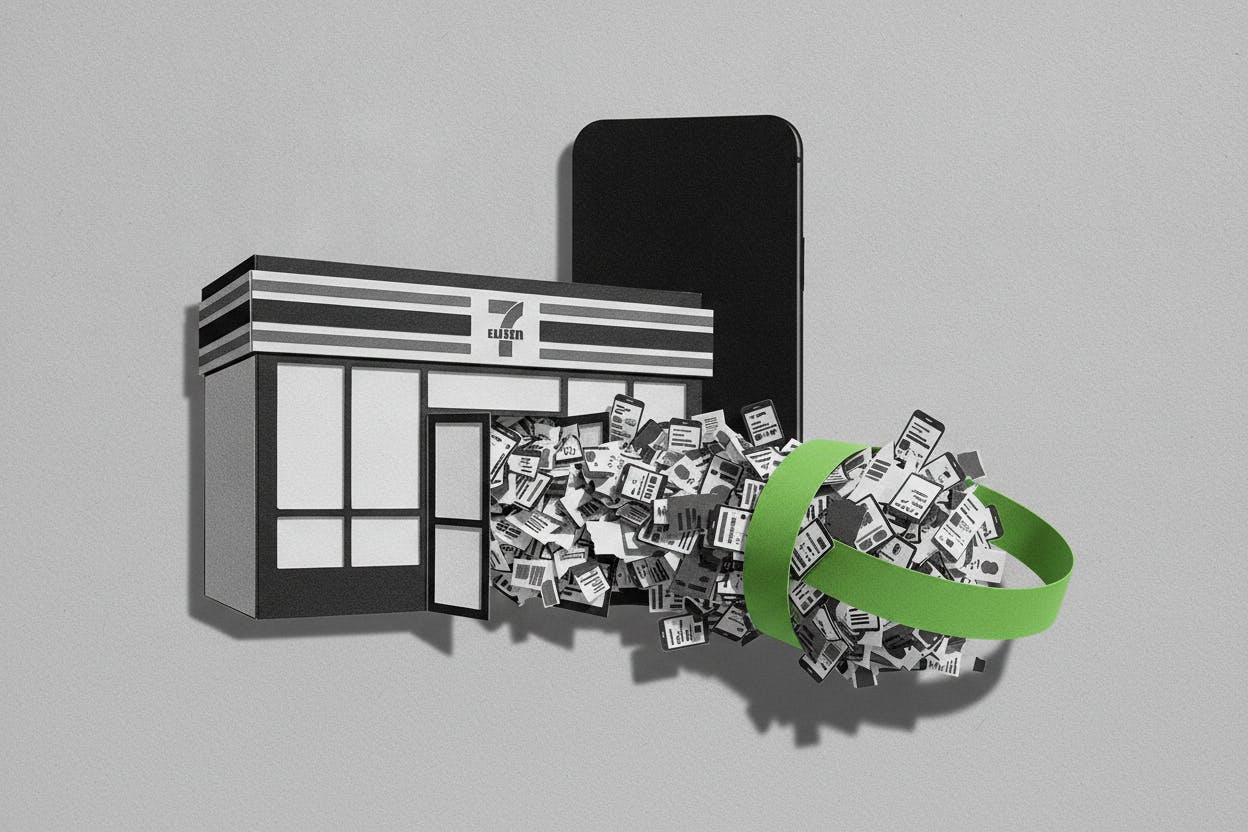
Seven & i Holdings, the Japanese retail group behind the global 7-Eleven convenience store chain, is opening its doors to a trio of technology and financial partners in a bid to supercharge its loyalty program. In a filing highlighted by Reuters, SoftBank Corp, PayPay, and Sumitomo Mitsui Card said they will each invest 100 billion yen (roughly $670 million) for a matching 2.27% stake in the company. LY Corp, a SoftBank affiliate that operates the popular Line messaging app, has also signed on to the broader partnership.
The move is part of Seven & i's strategy to weave together loyalty points, digital payments, and customer data across its vast network of stores and the partners' payment, card, and messaging services. The goal is a shared rewards ecosystem where shoppers can earn and spend points seamlessly whether they're buying a Slurpee at a 7-Eleven, paying with PayPay, or using a Sumitomo Mitsui Card.
What's behind the deal?
Seven & i has been under pressure from activist investors and a changing retail landscape. The company, which also operates supermarkets and department stores in Japan, has been looking for ways to boost growth and fend off competition from e-commerce and digital-first rivals. By bringing in SoftBank and its ecosystem, Seven & i gains access to a massive user base: PayPay is Japan's leading mobile payment app, and Line has tens of millions of users in the country.
The partnership is not just about points. It's about data. By linking customer information across stores and apps, Seven & i hopes to better understand shopping habits and offer more personalized promotions. For SoftBank, PayPay, and Sumitomo Mitsui Card, the deal deepens their ties to one of Japan's most iconic retailers and opens up new avenues for customer engagement.
This is a classic example of the convergence between retail, technology, and finance that has been reshaping markets globally. Companies are increasingly looking to create "super apps" or integrated ecosystems that keep consumers within their orbit for everything from shopping to payments to messaging.
What it means for investors
For everyday investors, this deal is a signal that Seven & i is serious about modernizing its business and leveraging technology to drive growth. The infusion of capital from three major players also provides a vote of confidence in the company's direction.
However, it's important to note that the stakes are relatively small—each partner gets just 2.27%, so the total new investment is about 300 billion yen. That's not a game-changer for a company with a market value in the tens of billions of dollars, but it does bring strategic allies on board.
Investors should watch how the loyalty integration unfolds. If the partnership succeeds in boosting customer retention and spending, it could translate into higher sales and margins for Seven & i. On the other hand, integrating data systems across multiple companies can be complex and may take time to show results.
The deal also highlights the growing importance of fintech and digital payments in Japan, a market that has been slower to adopt cashless payments than some other developed economies. As more consumers shift to mobile payments, companies like PayPay stand to benefit, and their partners do too.
For those holding Seven & i shares, this is a positive but not transformative development. It's a step in the right direction as the company tries to fend off activist pressure and stay relevant in a fast-changing retail environment. As always, it's wise to keep an eye on the company's earnings and any updates on the loyalty program's rollout.
In the broader context, this deal is part of a wave of partnerships between traditional retailers and tech firms. Similar moves have been seen elsewhere, such as Google's investment in AI infrastructure and Shell's trading success, showing how companies are increasingly looking outside their core industries for growth.
For now, the market's reaction has been muted, but the long-term implications could be significant. If Seven & i can successfully link its physical stores with digital services, it could set a template for other retailers in Japan and beyond.