Shell has told investors to expect a sharp jump in its refining profitability for the third quarter, guiding to record refining margins of $42 a barrel—up from $24 a barrel in the second quarter. The oil major also raised its integrated gas production forecast and confirmed it has completed its $16.4 billion acquisition of ARC Resources.
Refining margins, often called the "crack spread," are the difference between what a refinery pays for crude oil and what it earns from selling refined products like gasoline and diesel. When that gap widens, profits can climb quickly because many of a refinery's operating costs stay relatively fixed from month to month. A jump from $24 to $42 a barrel is a significant swing that can have a big impact on quarterly earnings.
What's behind the margin surge?
The jump in refining margins reflects stronger industry-wide pricing for fuels, likely driven by seasonal demand and tighter supply of refined products. However, Shell cautioned that utilization at its Rheinland refinery in Germany is expected to be lower than last quarter because low water levels on the Rhine River are disrupting operations. That could limit how much of the rich pricing the company can actually capture, as the refinery may not be able to run at full capacity.
Still, Shell said results from its large oil products and gas trading businesses should be broadly in line with the second quarter. That suggests the third-quarter upside is more about industry pricing than a standout trading performance.
Production outlook raised after ARC deal
On the production side, Shell lifted its integrated gas output forecast to 740,000–780,000 barrels of oil equivalent per day, now including volumes from ARC Resources, which was completed on September 2. The company also narrowed its upstream production range to 1.74 million–1.84 million barrels of oil equivalent per day.
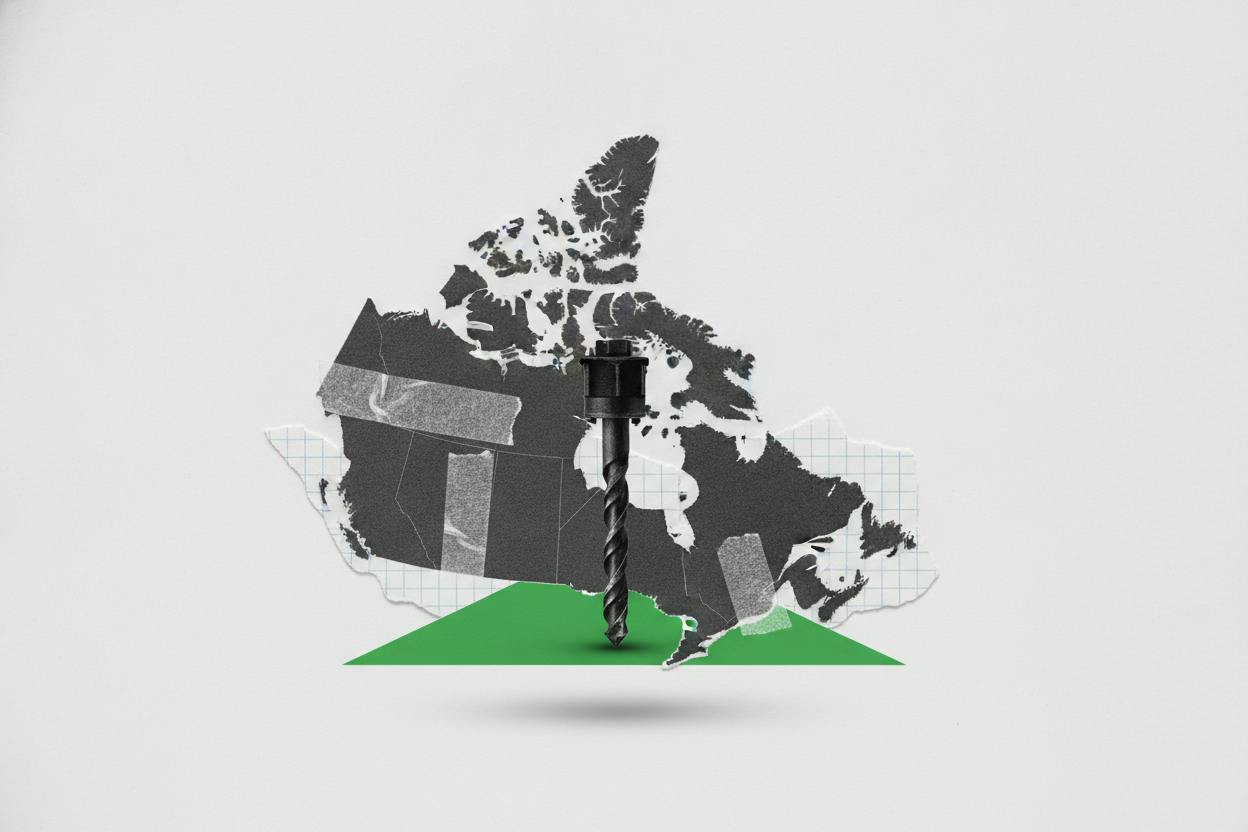
For liquefied natural gas (LNG), Shell guided to output of 7.2–7.6 million metric tons, slightly below the second quarter's level. The ARC deal, which adds Canadian natural gas assets, is part of Shell's strategy to bolster its gas and LNG portfolio, which the company sees as a key growth area.
What it means for investors
For investors, the refining margin guidance puts the spotlight on Shell's downstream business. Because refining margins can swing earnings so quickly, analysts will be watching whether Shell's chemicals and products unit actually captured those elevated spreads, or whether disruptions like the Rhine issue blunted the benefit.
The company's guidance that trading results will be similar to last quarter suggests that any earnings beat will come from refining and fuel pricing, not from a trading windfall. That means third-quarter earnings forecasts and cash flow estimates may be revised based on refining assumptions more than on small tweaks to oil-and-gas production.
Shell also faces a separate headwind: the company previously warned of a $2.5 billion German carbon payment that will hit third-quarter cash flow. That payment, tied to Germany's carbon emissions trading system, could offset some of the gains from higher refining margins.
For everyday investors, the key takeaway is that refining margins are a major driver of oil company profits, and a jump like this can be a positive sign for earnings. But it's not guaranteed—operational issues and one-off costs can eat into the benefit. As always, it's worth watching the company's actual results, due later this month, to see how the quarter played out.
Shell's update comes as broader markets have been buoyed by steady oil prices and easing yields, with the S&P 500 and Nasdaq recently hitting records. The energy sector remains sensitive to global supply and demand dynamics, and refining margins are one of the clearest signals of near-term profitability.