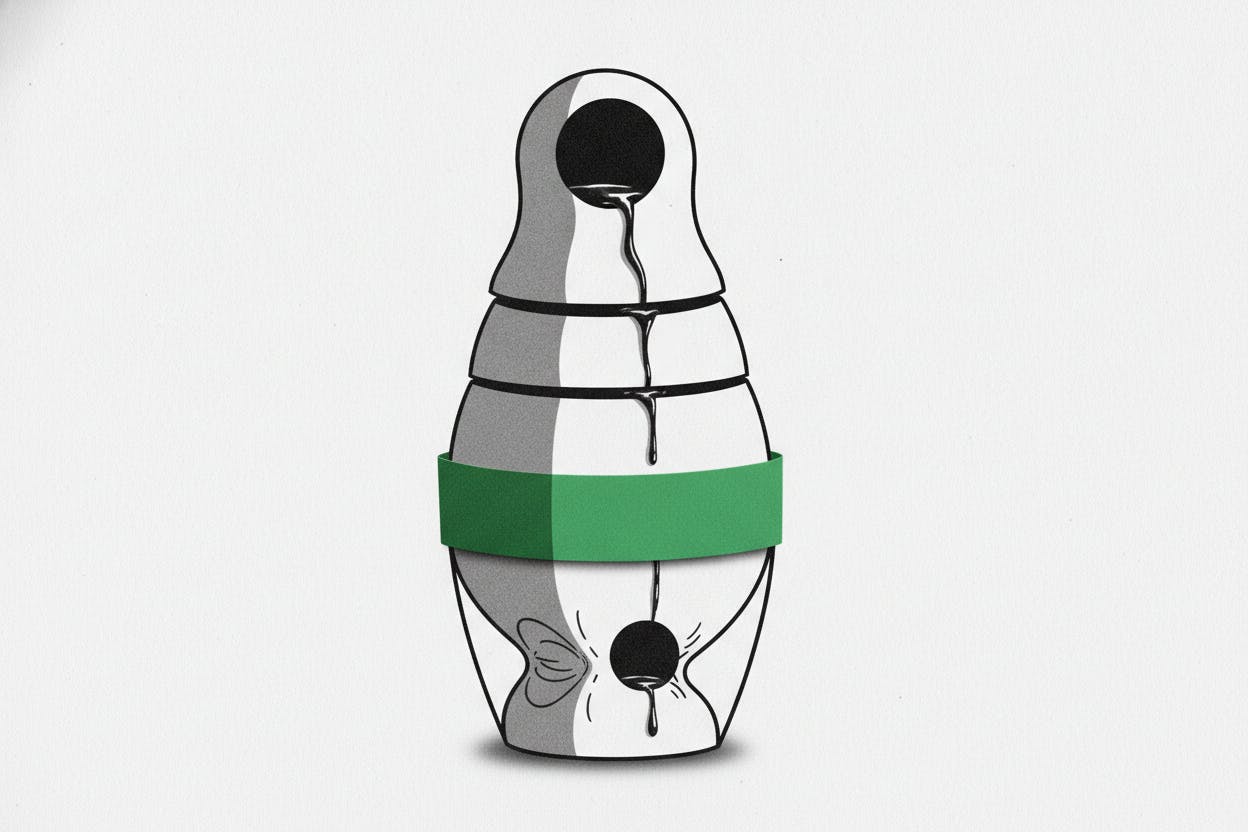
SK hynix, the South Korean memory-chip giant, is facing a wave of criticism at home over its reported plan to take its US storage business Solidigm public on the Nasdaq. The controversy centers on the proposed ownership structure, which governance advocates say would stack listed companies five levels deep and muddy the question of who actually benefits from the listing.
The company is reportedly seeking to raise between 5 trillion and 10 trillion won (roughly $3.6 billion to $7.2 billion) in pre-IPO funding, according to The Korea Times. But the deal's structure has drawn sharp rebukes from corporate governance watchdogs, who warn it could set a troubling precedent for South Korea's chaebol conglomerates.
What is Solidigm and why does it matter?
Solidigm is SK hynix's US-based subsidiary that makes NAND flash memory and solid-state drives (SSDs), the storage components used in data centers, laptops, and other devices. SK hynix acquired Intel's NAND memory business in 2020 and rebranded it as Solidigm in 2021. The unit is a key player in the growing market for high-capacity storage, especially as artificial intelligence and cloud computing drive demand for faster, denser memory.
For SK hynix, a Nasdaq listing of Solidigm could unlock fresh capital to fund expansion and reduce debt, while giving the US business its own public currency for acquisitions or employee incentives. But the way the deal is structured has become the flashpoint.
The five-tier ownership chain
According to the report, the proposed structure would place Solidigm at the bottom of a chain running from SK Group Chairman Chey Tae-won through SK Inc., SK Square, SK hynix, and SK hynix NAND Product Solutions Corp. That means a shareholder of Solidigm would be indirectly connected to four other listed entities above it.
Rhee Nam-uh, chair of the Korean Corporate Governance Forum, called it an “unprecedented five-tier multiple-listing structure.” The concern is that stacking listed companies on top of each other can obscure who ultimately controls the business and who reaps the financial rewards. In South Korea, where family-run conglomerates often use complex cross-shareholdings to maintain control with relatively small stakes, such structures are a sensitive issue.
Governance advocates argue that multiple listings can dilute minority shareholder rights and make it harder for investors to assess true value. They also worry that the structure could be used to enrich the founding family at the expense of outside shareholders, a recurring theme in Korean corporate governance debates.
What it means for investors
For everyday investors, the controversy is a reminder to look beyond the headline numbers of any IPO. When a company lists a subsidiary, the parent company's shareholders often expect a “sum-of-the-parts” boost, but complex structures can complicate that math.
If Solidigm does go public, investors in SK hynix would need to consider how much of the subsidiary's value they actually own through the chain. Similarly, anyone buying Solidigm shares would be buying into a company whose ultimate parent is several layers removed. That can affect voting power, dividend flows, and how profits are shared.
The pre-IPO funding round also signals that SK hynix is looking to raise significant capital before the listing. Such rounds often come with discounts or special rights for early investors, which can dilute existing shareholders. While the company hasn't confirmed details, the scale of the fundraising suggests Solidigm is being positioned for a major public debut.
For now, the backlash in South Korea could pressure SK hynix to revise the structure or delay the listing. The company has not officially commented on the reports, and no formal IPO filing has been made. Investors will be watching for any changes to the plan, as well as updates on the pre-IPO funding.
This isn't the first time SK hynix has been in the spotlight over labor and governance issues. Earlier this year, workers formed a new union amid a dispute over AI-related bonus pay, highlighting tensions between the company's booming profits and employee compensation. Those dynamics could add another layer of scrutiny as the Solidigm listing moves forward.
In the broader market, the Solidigm IPO would test US investor appetite for a Korean-owned chip business at a time when AI infrastructure spending is lifting the tech sector. Recent earnings from AI-related companies have helped push the Nasdaq higher, as noted in our coverage of AI infrastructure earnings and cooling inflation. A successful listing could open the door for more foreign chip listings on US exchanges, but governance concerns might give some investors pause.
For now, the key takeaway is that the Solidigm IPO is more than just a fundraising event. It's a test of how far SK hynix can push its corporate structure before investors and regulators push back. Whether the company adjusts its plans or presses ahead, the outcome will be closely watched by anyone with exposure to SK hynix or the broader memory-chip sector.