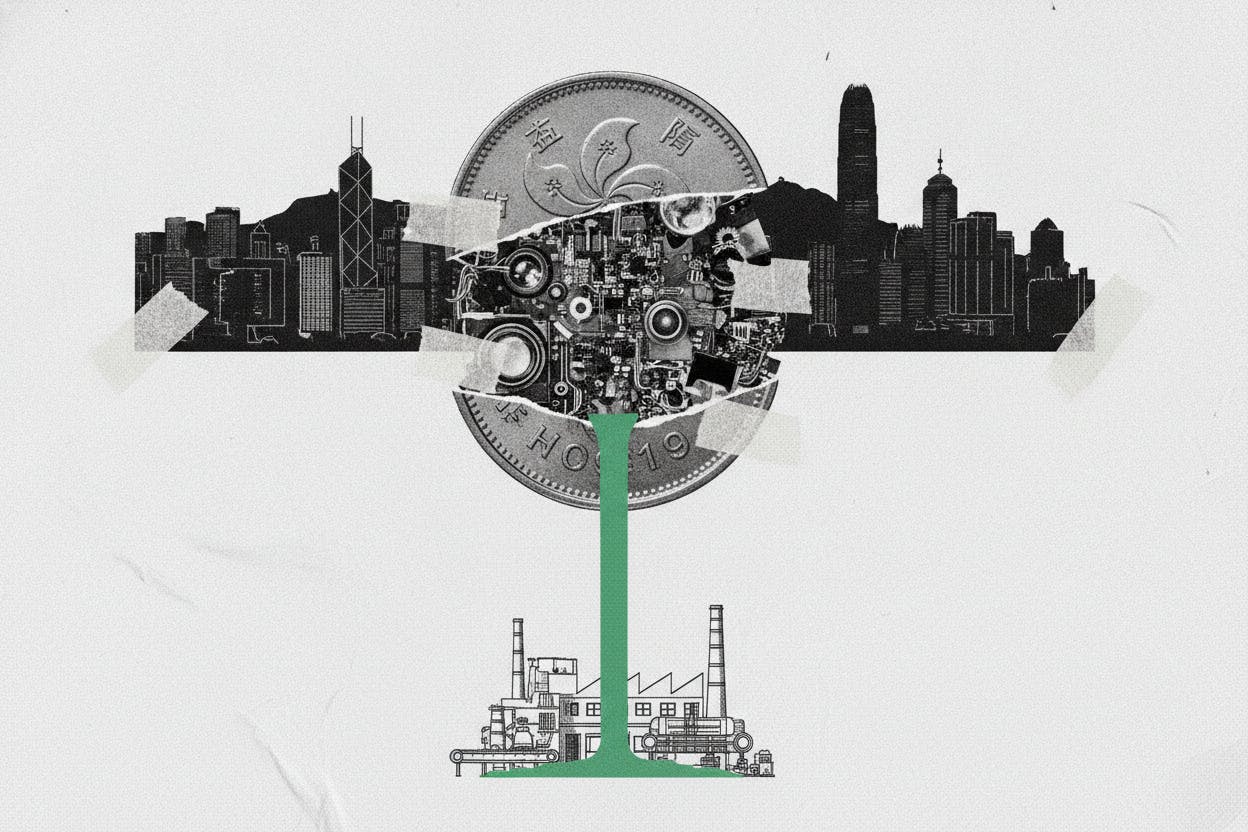
When a company posts record revenue, record profits, and record margins, you'd normally expect its stock to rally. But for SK Hynix, the opposite happened. The South Korean memory chipmaker just delivered what looked like a perfect earnings report, yet investors sold off its shares anyway. The move is a stark reminder that in today's market, great numbers aren't always enough.
What happened with SK Hynix's earnings
SK Hynix, one of the world's largest memory chip manufacturers, reported stellar quarterly results. Revenue hit an all-time high, profits set a new record, and margins expanded sharply. The company has been a major beneficiary of the boom in artificial intelligence, supplying high-bandwidth memory chips used in AI data centers. Demand from companies like Nvidia has been enormous, and SK Hynix has been ramping up production to meet it.
But the market wasn't impressed. Instead of cheering the numbers, investors focused on what might come next. The key worry: how long will the AI-driven spending spree last? With many tech giants pouring billions into AI infrastructure, there's growing concern that the pace of investment could slow. If that happens, companies like SK Hynix could see demand soften quickly.
Why the stock fell despite strong results
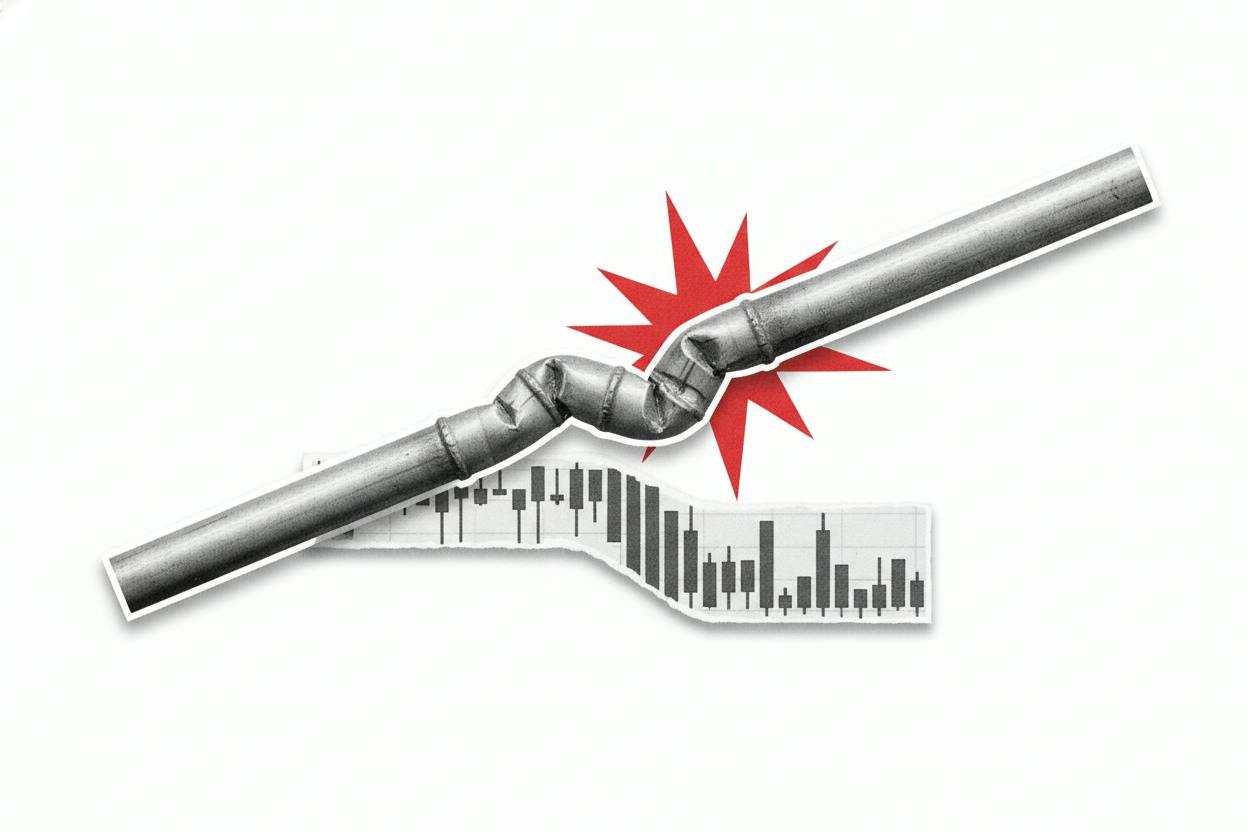
The selloff in SK Hynix shares is part of a broader downturn in AI-linked stocks. Over the past month, many of the companies that have ridden the AI wave have seen their valuations come under pressure. This week has been especially rough for SK Hynix, with the stock sliding even as the company announced its record earnings.
One factor amplifying the decline is leveraged positioning. Many investors had borrowed money to buy AI stocks, betting on continued gains. When prices started to fall, margin calls forced them to sell, creating a cascade of selling that has weighed on the share price. This kind of forced selling can push stocks lower than the underlying fundamentals would suggest.
The situation echoes what happened with other high-flying tech stocks earlier this year. For example, Crocs stock slid 12% after its flat Q3 outlook overshadowed strong earnings, showing how forward-looking concerns can trump past performance.
What this means for the AI trade
The question for investors is whether SK Hynix's stock drop is a warning sign or a buying opportunity. On one hand, the company's fundamentals are undeniably strong. Revenue and profits are at record levels, and the long-term demand for AI chips looks robust. Inference demand — the computing power needed to run AI models after they've been trained — is expected to grow significantly. And SK Hynix has long-term customer agreements that provide some visibility into future revenue.
On the other hand, the market is clearly worried about the sustainability of AI spending. If the big tech companies that are driving the AI boom decide to pull back, the entire supply chain could feel the pain. This is a risk that investors are now pricing in, even as the current numbers look fantastic.
Some analysts argue that the recent pullback is more like severe turbulence than a devastating crash. If AI spending stays firm, the selloff could prove to be a temporary setback. But if spending slows, the downside could be significant.
For context, other companies exposed to data center demand have also seen mixed reactions. Martin Marietta raised its revenue forecast thanks to data center demand, showing that the trend is still strong in some areas. But the broader market remains jittery.
What investors should watch next
For everyday investors, the key takeaway is that great earnings don't always translate into stock gains, especially when the market is focused on bigger-picture concerns. The AI trade has been one of the most powerful themes in the market over the past year, but it's also become crowded. When sentiment shifts, even the strongest companies can see their stocks fall.
Investors should keep an eye on a few things. First, any signs of a slowdown in AI spending from major tech companies. Second, the level of leveraged positioning in AI stocks — if forced selling continues, it could create further downside. And third, the broader market environment, including interest rates and economic data. Stocks rebounded recently after Microsoft eased some AI spending fears, but the 30-year yield topping 5.2% shows that macro concerns remain.
Ultimately, SK Hynix's situation is a case study in how markets work. The numbers looked fantastic, but the stock fell anyway. That doesn't mean the company is in trouble — it means the market is looking ahead and pricing in risks. For long-term investors, the question is whether those risks are real or overblown.