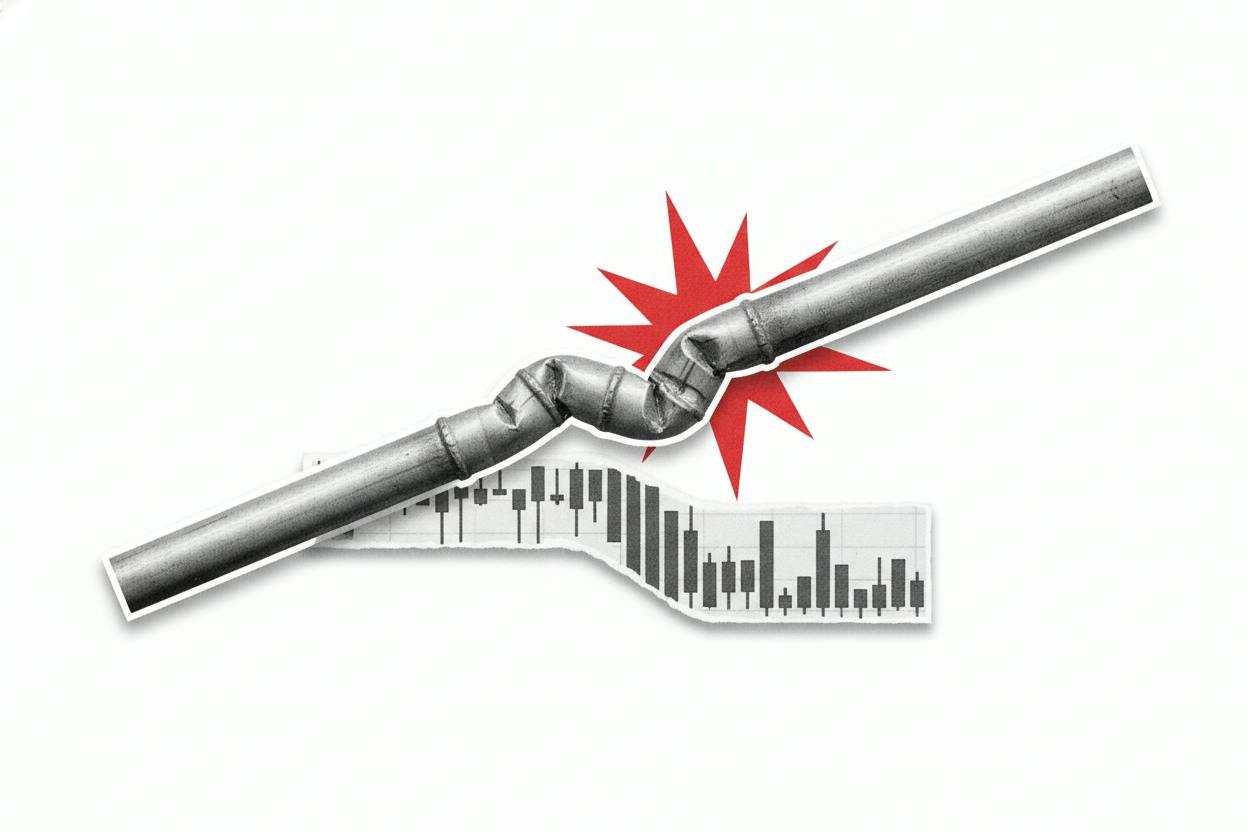
Stocks bounced back on Friday after a key inflation reading came in as expected and Microsoft's reassuring outlook helped calm investor nerves about the soaring costs of artificial intelligence. But the relief in equities was tempered by a fresh milestone in bond markets: the 30-year Treasury yield pushed above 5.2% for the first time since 2007.
The Personal Consumption Expenditures (PCE) Price Index, the Federal Reserve's preferred inflation gauge, fell 0.1% in June and held at 3.7% year-on-year, both in line with forecasts. That was enough to lift equity futures and set the stage for a positive open, as traders breathed a sigh of relief that inflation was not accelerating further.
Bond markets send a different signal
While stocks found some footing, the bond market continued to flash warning signs. The yield on the 30-year Treasury note rose to around 5.2124%, its highest level in more than 16 years. That move reflects growing doubts among traders about whether the Fed can bring inflation down to its 2% target without keeping interest rates elevated for longer.
Long-term yields are particularly sensitive to expectations about future growth and inflation. When traders think the Fed may need to hold rates higher for longer, or that the economy might stay stronger than expected, they demand higher compensation for locking up their money for three decades. The jump above 5.2% suggests that even after a year of aggressive rate hikes, the bond market is not convinced the inflation fight is over.
This divergence between stocks and bonds is a classic sign of uncertainty. Equities are cheering the absence of bad news on inflation, while bonds are pricing in the risk that good economic news could keep the Fed hawkish.
Microsoft calms AI spending jitters
Adding to the positive tone in stocks was a steady outlook from Microsoft, which helped ease fears that the massive spending on AI infrastructure might pressure corporate profits. The tech giant's comments, reported after the close on Thursday, suggested that its cloud business remains strong and that AI investments are being managed carefully.
That was a welcome message for markets that have been on edge about the cost of the AI arms race. With companies like Microsoft, Google, and Amazon pouring billions into data centers and chips, investors have worried that the payoff might take longer than expected. Microsoft's reassurance helped lift the broader tech sector and gave a boost to futures tied to the Nasdaq.
For context, the strength in Microsoft's cloud business has been a key driver of market sentiment in recent weeks, and its steady outlook was seen as a sign that the AI boom is not just hype but is translating into real revenue.
What it means for everyday investors
For ordinary investors, the key takeaway is that the market is still wrestling with two competing narratives. On one hand, inflation is cooling gradually, which is good for stocks because it reduces the pressure on the Fed to keep raising rates. On the other hand, the bond market is signaling that the cost of borrowing for the government—and by extension for mortgages, corporate loans, and other long-term debt—is going up.
Higher long-term yields can be a headwind for stocks because they make future earnings less valuable in today's dollars and increase the appeal of safer assets like bonds. They also raise borrowing costs for companies, which can eat into profits.
That said, the fact that stocks bounced back despite the yield spike suggests that investors are still willing to look past near-term bond market noise as long as the economic data remains supportive. The PCE report, while not showing rapid improvement, at least did not deliver any nasty surprises.
Investors should also keep an eye on how consumer spending holds up. Recent data, including Mastercard's quarterly results, has shown that consumers are still spending, albeit unevenly. That resilience is a key support for the economy and corporate earnings.
What to watch next
Looking ahead, the focus will shift to the Fed's next meeting in September. While the central bank is widely expected to hold rates steady, the path beyond that remains uncertain. If inflation continues to edge lower and the labor market softens, the case for rate cuts later this year could strengthen. But if the economy stays hot and inflation proves sticky, the Fed may keep rates higher for longer.
Also worth watching is the rise in German inflation, which hit 2.8% in July as energy costs jumped. That could signal that inflationary pressures are not just a US problem, and may influence global bond yields.
For now, the message from markets is mixed but not alarming. Stocks are managing to look past the bond market's tantrum, at least for today. But the 30-year yield above 5.2% is a reminder that the era of cheap money is firmly in the rearview mirror.