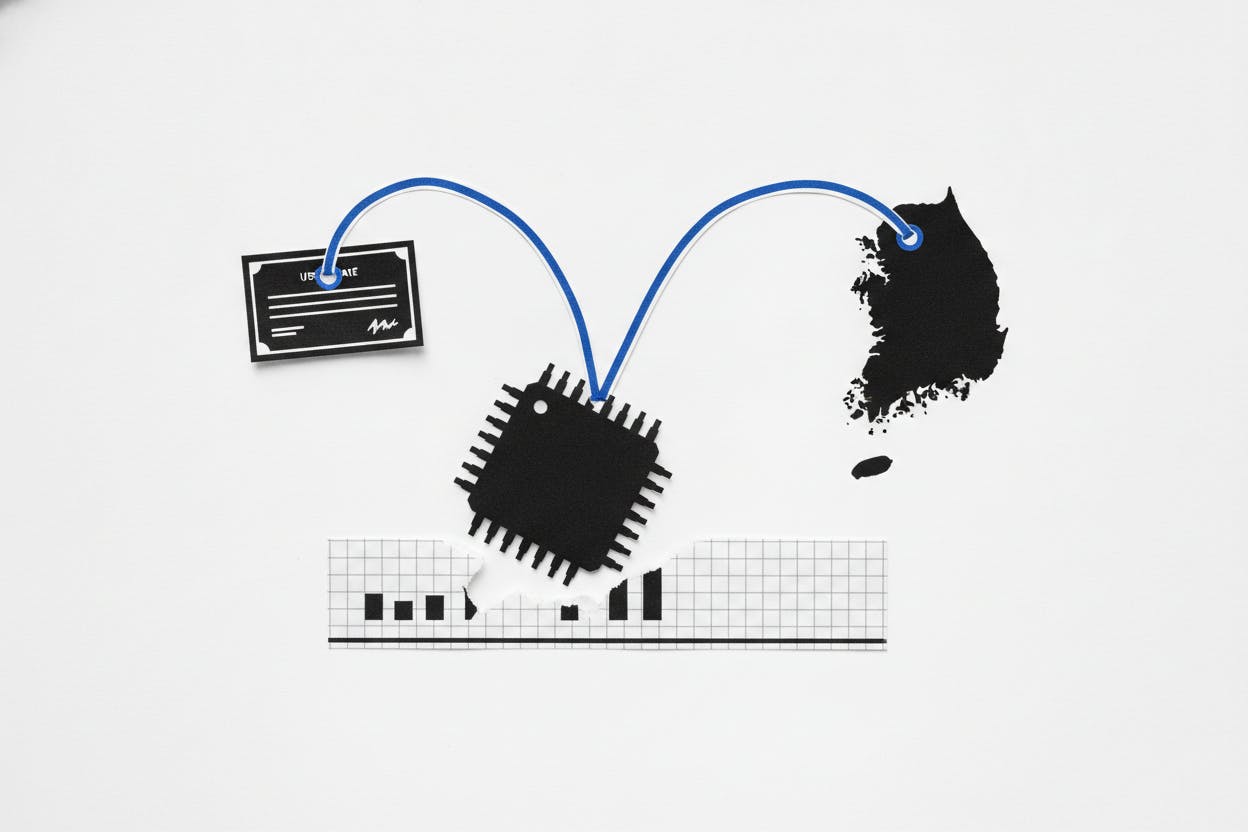
SK Hynix, the South Korean memory chip giant that just made a splashy entrance on the Nasdaq, saw its shares slide as much as 8.2% in Seoul on Monday. The pullback came as investors locked in gains from the company's blockbuster US listing and began asking tougher questions about the pace of its next-generation AI memory chip shipments.
The stock's retreat highlights the volatility that can follow a high-profile IPO or ADR listing, especially when the initial pop gives early buyers a quick profit opportunity. For everyday investors, it's a reminder that even the hottest AI-linked names can see sharp swings as markets digest new supply and shifting sentiment.
A Blockbuster Debut, Then a Hangover
SK Hynix listed American depositary receipts (ADRs) on the Nasdaq last week at $149 each. ADRs are US-traded certificates that represent shares in a foreign company, allowing American investors to buy and sell them like any other US stock. The stock opened around $170 on its first day and finished up 12.8%, raising more than $26 billion in what was one of the largest tech listings of the year.
But that strong first-day performance also created a natural profit-taking opportunity. Investors who got in at the offering price or early in the trading session could sell for a quick gain. The new Nasdaq price also gave the market a fresh reference point, and some traders began comparing it to the Seoul-listed shares, adding to the selling pressure.
Monday's drop in Seoul—the stock's home market—was the first major test of investor conviction after the US debut. The decline was broad, with the stock falling as much as 8.2% before paring some losses. The move came despite the broader market being relatively calm, suggesting the selloff was specific to SK Hynix.
HBM4 Shipment Pace Under Scrutiny
Behind the profit-taking, analysts pointed to a more fundamental concern: whether SK Hynix's next-generation high-bandwidth memory chips, known as HBM4, are ramping up fast enough to meet expectations. HBM4 is the latest version of the specialized memory chips used in AI data centers, and SK Hynix is a dominant player in this market, supplying chips to Nvidia and other AI chipmakers.
NH Investment & Securities, a Korean brokerage, noted that some investors are getting cautious ahead of the company's second-quarter results. The worry is that HBM4 shipments may not be scaling as quickly as hoped, which could slow revenue growth in the near term. While SK Hynix has been a clear beneficiary of the AI boom, the market is now demanding evidence that the next wave of products is on track.
This is a common pattern in the semiconductor industry: companies that lead in one generation of technology often face intense scrutiny about their ability to transition smoothly to the next. For SK Hynix, the stakes are especially high because AI demand has been the primary driver of its recent growth, and any hiccup in the product roadmap could weigh on the stock.
What It Means for Investors
For everyday investors, the SK Hynix story offers several lessons. First, the initial pop in a hot listing doesn't always last. Profit-taking is a normal part of market behavior, especially after a stock rises sharply on its debut. Second, the focus on HBM4 shipments shows how closely the market watches product cycles in the chip industry. A company's long-term prospects depend not just on current demand but on its ability to keep innovating.
SK Hynix's CEO has previously warned that AI memory shortages could peak in 2027, suggesting the company sees a multi-year runway of strong demand. But in the short term, quarterly results and shipment updates will drive the stock. Investors should watch for the company's next earnings report for concrete numbers on HBM4 volumes and margins.
The broader context also matters. SK Hynix's Nasdaq debut came during a period of renewed AI optimism, with the S&P 500 posting gains and other AI-related stocks like Meta jumping on news of leasing spare computing capacity. However, geopolitical risks, such as tensions in the Strait of Hormuz affecting oil prices, can also shift market sentiment quickly.
Ultimately, SK Hynix remains a key player in the AI supply chain, but Monday's drop is a reminder that even strong stories face pullbacks. Investors should focus on the company's fundamentals—its technology leadership, customer relationships, and ability to scale production—rather than getting caught up in short-term price swings.