Shares of South Korean memory-chip maker SK Hynix ticked higher on Tuesday after a report said the company is weighing a special dividend of roughly 16 trillion won ($12 billion). The potential payout, first reported by South Korea's DongA Ilbo and picked up by Bloomberg, is tied to gains from SK Hynix's investment in Japan's Kioxia, a memory-chip maker.
Separately, storage firm Seagate said it reached an interoperability milestone with Broadcom, a chip and networking company, and Microsoft Azure, Microsoft's cloud platform. The goal: make it easier for data centers to deploy high-capacity storage for AI workloads.
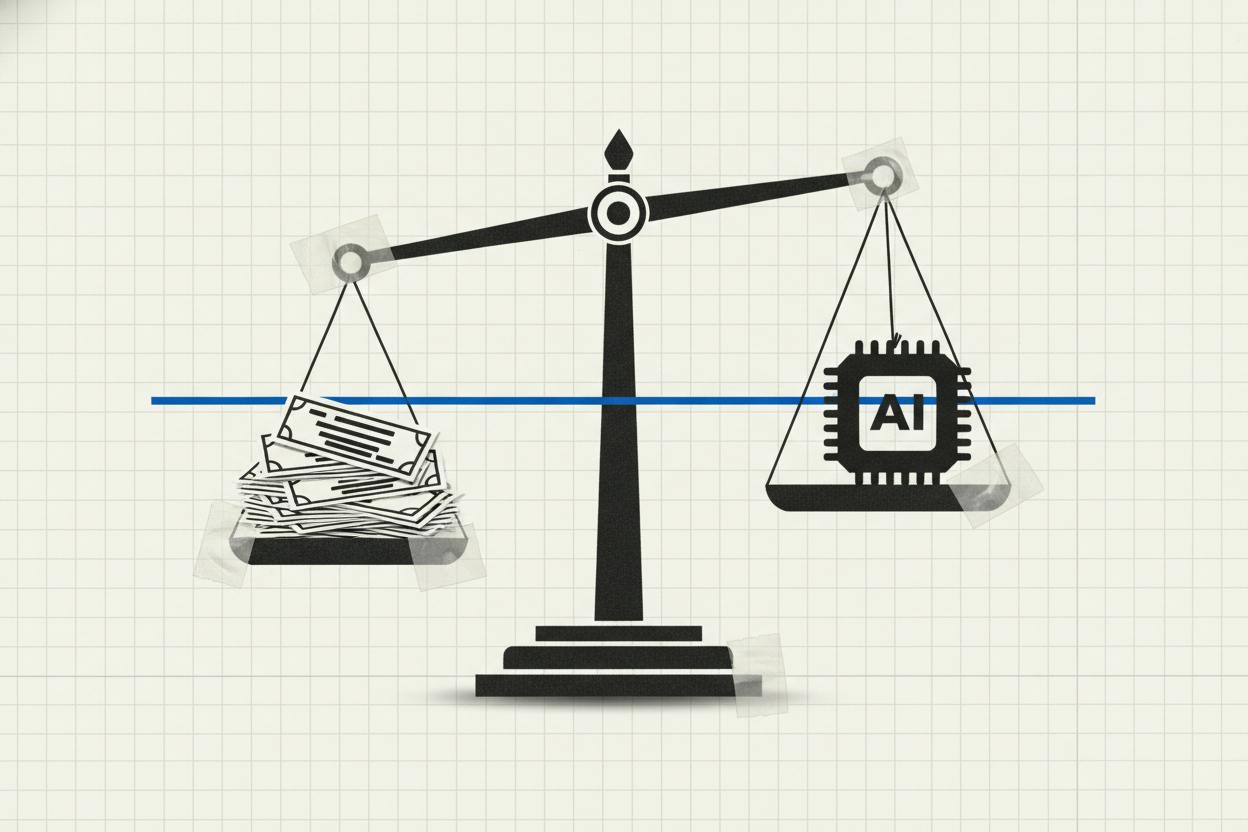
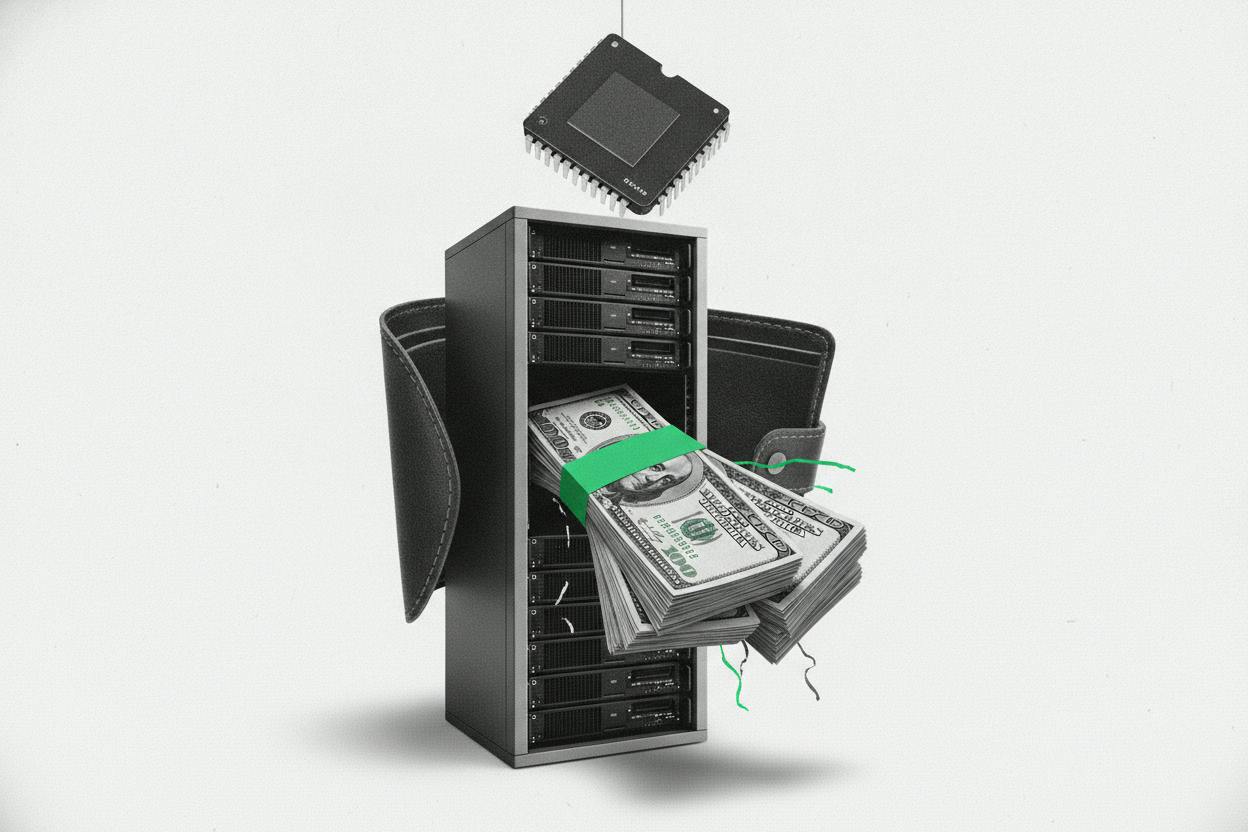
The two headlines point to a broader theme: the AI buildout isn't just about graphics processing units (GPUs). AI models need vast amounts of storage and networking to handle the data they process, which is pulling a wider range of suppliers into the spending cycle.
What a special dividend means
A special dividend is a one-time cash distribution to shareholders, separate from regular quarterly payouts. Companies typically use them when they have a lump of cash they don't need for immediate reinvestment—perhaps from an asset sale or a big profit windfall—and want to return value directly to investors.
For SK Hynix, the reported payout would be funded by gains from its stake in Kioxia. The company has been a major beneficiary of the AI memory boom, particularly through its high-bandwidth memory (HBM) chips used in AI accelerators. But a special dividend of this size would be notable even for a company of SK Hynix's scale.
Investors often view special dividends as a positive signal—management is confident enough to hand cash back rather than hoard it. But there's a mechanical catch: when a stock goes ex-dividend (the first day new buyers no longer get the payout), the share price typically drops by roughly the dividend amount. So the headline gain can be followed by a step-down, making the payout more about timing than new value creation.
SK Hynix has been active on the shareholder-return front. Earlier this year, it outlined plans for shareholder returns after selling part of its Kioxia stake. The company also shelved a US IPO for its Solidigm unit, citing a chip-stock selloff.
Seagate's AI storage milestone
Seagate's announcement with Broadcom and Microsoft Azure is about interoperability—ensuring that its high-capacity hard drives work seamlessly with the networking and cloud infrastructure that data centers use. For AI workloads, which involve moving enormous datasets, storage speed and capacity are critical.
The AI spending boom has been a tailwind for storage and memory companies. Analysts at Bank of America have estimated that AI data center spending could hit $1 trillion by 2026, a figure that underscores the scale of the buildout. While GPUs get most of the attention, storage and networking are essential pieces of the puzzle.
Seagate's progress is a sign that the AI-driven demand for storage is broadening beyond just the biggest cloud providers. As more companies deploy AI models, they need the infrastructure to store and retrieve the data those models rely on.
What it means for investors
For investors, the SK Hynix news is a reminder that the AI trade extends beyond chip designers like Nvidia. Memory and storage suppliers are also seeing strong demand, and they're returning some of those gains to shareholders.
But special dividends come with caveats. They're one-time events, and they don't change the underlying business fundamentals. Investors should look at whether a company can sustain its regular dividend and growth prospects, rather than focusing solely on a windfall payout.
For Seagate, the interoperability milestone is a positive sign, but it's still early. The company will need to convert these technical achievements into actual sales. Investors will be watching for updates on how AI-related demand is translating into revenue.
Overall, the two stories highlight how the AI buildout is creating opportunities across the tech supply chain—and how companies are rewarding shareholders along the way. As always, it's worth keeping an eye on the bigger picture: the AI spending cycle is still young, and the winners and losers may shift as the technology matures.