Instacart, the grocery-delivery platform, is reportedly exploring a sale, and Bloomberg says it has held early talks with Uber and DoorDash that could value the company at $16-17 billion. The news, first reported this week, has put the spotlight on how delivery platforms are trying to make their economics work in a fiercely competitive market.
For everyday investors, the headline is about a potential mega-deal, but the real story is about the math behind delivery. Grocery delivery is a notoriously low-margin business, and both Uber and DoorDash have been looking for ways to boost profitability. Instacart, which operates a marketplace connecting shoppers with multiple grocers, also runs a fast-growing advertising business. That ad business is the key to why a deal might make sense.
Why ads matter in delivery
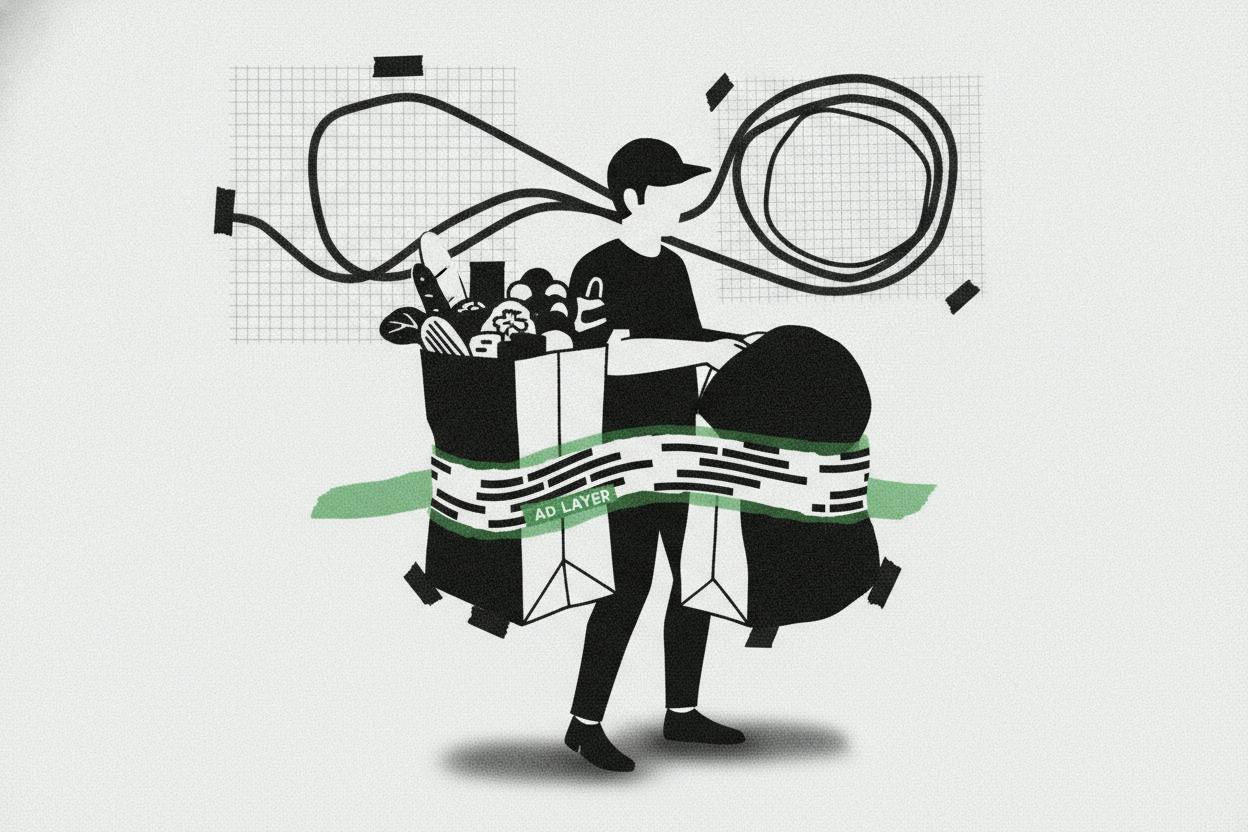
When you order groceries through Instacart, you might notice that some brands appear higher in search results or get featured banners. That's not random—brands pay for that placement. This is called retail media, and it's become a major revenue stream for platforms like Instacart, Amazon, and Walmart.
Wedbush, an investment bank, argues that pairing Instacart's grocery marketplace and ad business with Uber's or DoorDash's restaurant-delivery scale has “strategic rationale.” The logic is simple: ads are high-margin, while delivery itself is low-margin. By stacking ad dollars on top of the same grocery orders, a combined platform could raise its “take rate”—the slice of each order the platform keeps—without charging customers more.
That's a big deal because delivery companies have long struggled to turn a profit. The cost of paying couriers, maintaining the app, and handling customer support eats into every order. Ads, by contrast, are almost pure profit once the platform is built.
What a combined network could look like
If Uber or DoorDash were to buy Instacart, the combined company would have a much larger delivery network. You'd have restaurant orders and grocery orders flowing through the same courier infrastructure. That could mean denser routes—more deliveries in the same area, which keeps couriers busier and reduces the cost per drop.
This is the kind of efficiency that investors like to hear about. It's not just about adding more orders; it's about making each order more profitable. A grocery-plus-restaurant network could also give the platform more leverage with both merchants and advertisers.
Wedbush also thinks antitrust risk would be limited, since Walmart and Amazon already have big footprints in one-stop shopping and delivery. In other words, regulators might see a combined Uber-Instacart or DoorDash-Instacart as a way to compete with the giants, rather than as a monopoly threat.
What it means for investors
For markets, a $16-17 billion Instacart deal would be a test of whether delivery platforms can fix their unit economics. Investors would likely focus less on headline delivery volume and more on how much profit each order can generate. If ads can lift the take rate and denser routes can cut costs, the margin story could change how the market values these companies.
It would also raise the competitive bar for Walmart and Amazon, which have been investing heavily in their own delivery and advertising ecosystems. A combined Uber-Instacart or DoorDash-Instacart would have the scale to challenge them more directly.
Of course, talks are still early, and there's no guarantee a deal will happen. Valuation is a sticking point—$16-17 billion is a big number, and both Uber and DoorDash have their own shareholders to answer to. But the fact that Instacart is even exploring a sale shows how the delivery landscape is consolidating.
For context, this isn't the first time delivery companies have looked to merge or acquire. The industry has seen a wave of consolidation as players try to achieve scale and profitability. If this deal goes through, it could set a precedent for how other platforms think about combining grocery and restaurant delivery.
For everyday investors, the takeaway is to watch how these companies talk about unit economics in their next earnings calls. If a deal happens, the focus will be on whether the combined entity can actually deliver on the margin promise. Until then, it's a story about potential, not certainty.
Related reading: Instacart's sale exploration and how food delivery economics are playing out elsewhere.