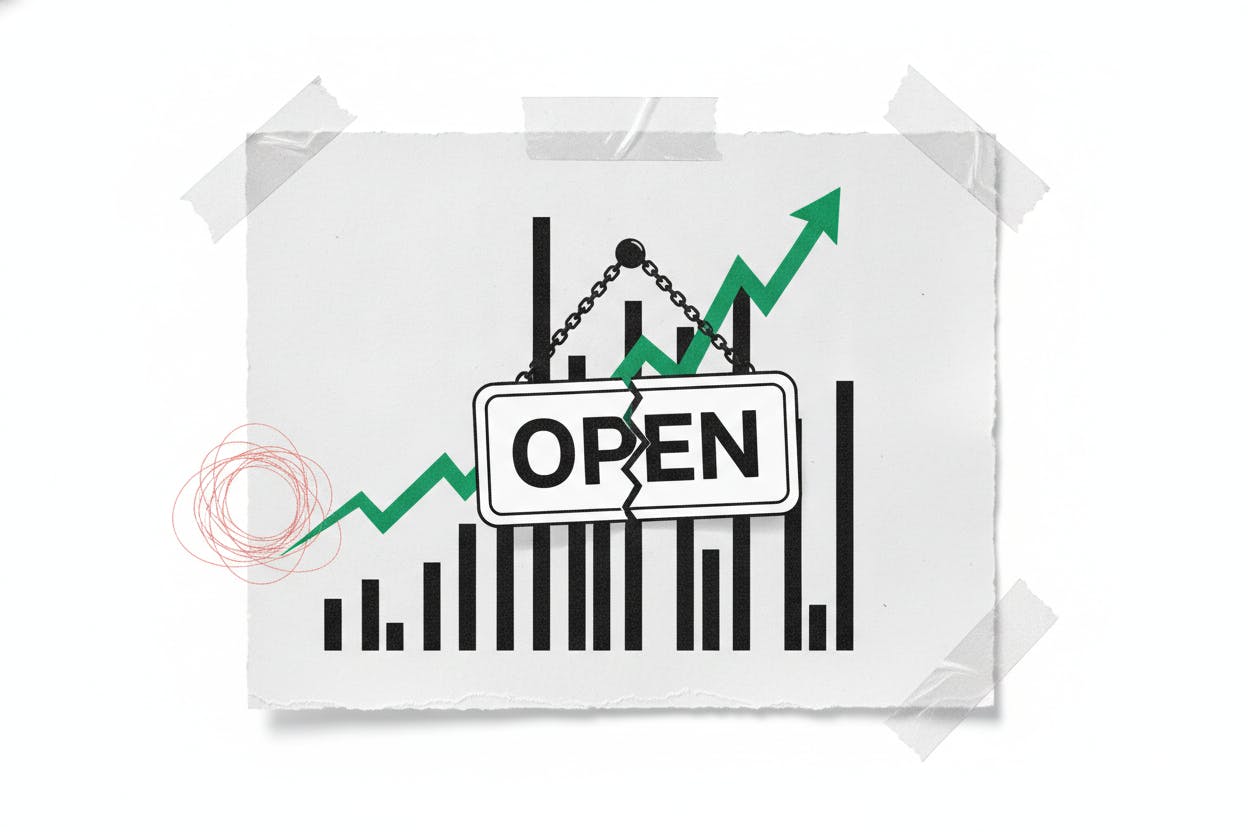
America's small businesses are feeling a bit more confident. The National Federation of Independent Business (NFIB) reported that its Small Business Optimism Index climbed to 99.8 in July, up from 97.4 in June. The gain was led by a sharp increase in the number of owners planning to add workers, even as overall uncertainty remained elevated.
The NFIB is a trade group that represents small businesses across the country. Its monthly survey asks owners about their plans and expectations for hiring, sales, and investment. Because small businesses employ about half of the private workforce in the U.S., the index is closely watched as a gauge of grassroots economic health.
What's driving the improvement?
According to the NFIB, eight of the index's ten components improved in July. The biggest mover was hiring: the share of owners planning to increase employment jumped nine percentage points to a net 20%. That means more owners intend to add staff than to cut it. Job openings also remained high, with a net 36% of owners reporting unfilled positions.
Plans for capital spending also ticked up, suggesting that some owners are willing to invest in their businesses despite the uncertain outlook. The NFIB noted that while confidence is improving, it still hasn't returned to the levels seen before the pandemic, and uncertainty remains a persistent theme.
This isn't the first sign of resilience among small businesses. Similar surveys in other countries have shown mixed results—for instance, Japan's economic watchers index improved in July but stayed below its optimism threshold. In the U.S., the NFIB's reading suggests that Main Street is cautiously optimistic, even as larger economic questions loom.
Why does this matter for investors?
For everyday investors, the NFIB index is more than just a number. Small business hiring plans can be a leading indicator for the broader job market. When small firms are confident enough to add workers, it often translates into more consumer spending, which supports corporate earnings and economic growth.
The jump in hiring plans could also signal that the labor market remains resilient, which is important for the Federal Reserve's thinking on interest rates. If businesses keep hiring, the Fed might feel less pressure to cut rates quickly. On the other hand, if uncertainty leads to a pullback later, that could weigh on growth.
Investors should also note that small business optimism tends to correlate with the performance of small-cap stocks. When small businesses are upbeat, it can be a positive sign for companies that rely on domestic demand. However, the index is still below its long-run average of 98—it's just barely above that mark now—so the recovery is far from complete.
What to watch next
The NFIB survey is a monthly snapshot, so one month's gain doesn't make a trend. Investors will be watching whether the improvement in hiring plans holds up in the coming months, and whether uncertainty starts to fade. If confidence continues to climb, it could support a broader economic expansion. If it stalls, that might be a warning sign for the labor market and consumer spending.
For now, the message from small business owners is clear: they're a bit more willing to take on new workers, but they're still cautious about the road ahead. That's a sentiment many investors can relate to.