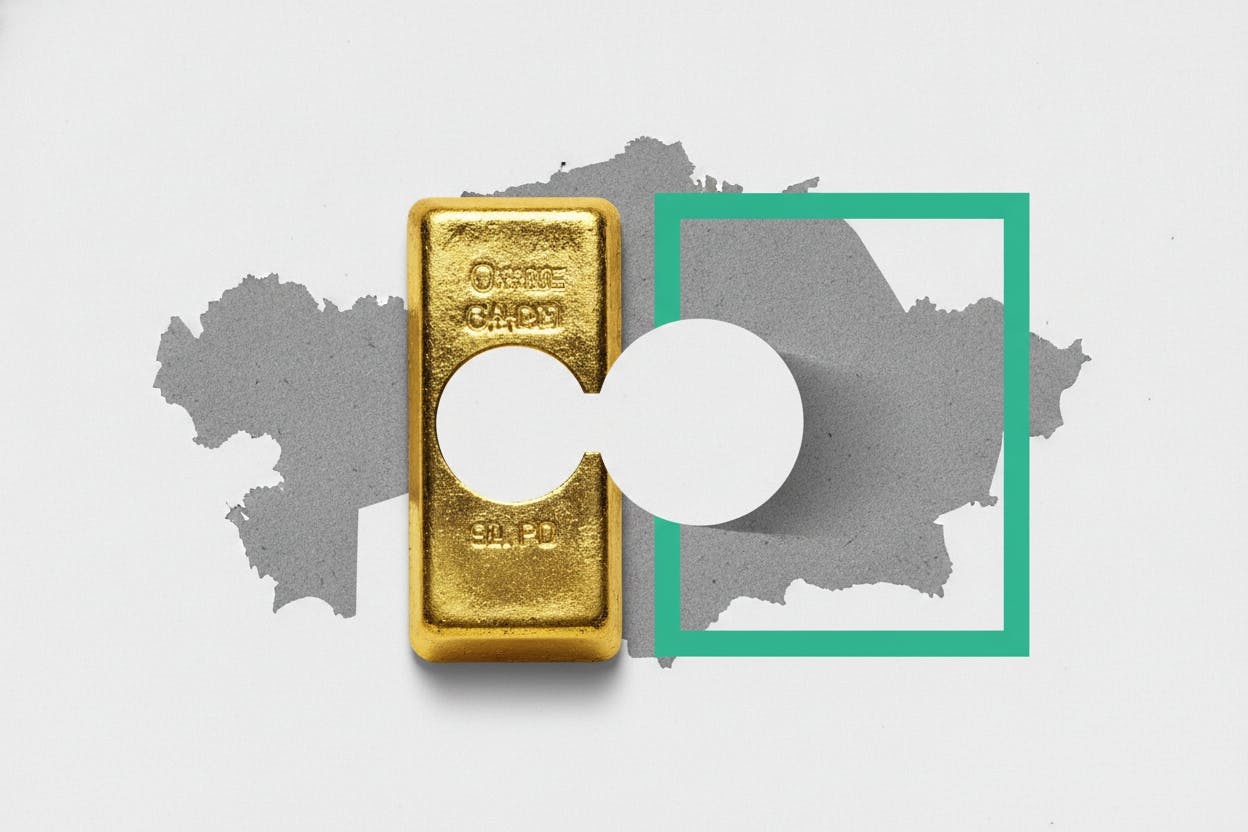
Solidcore Resources, the Kazakh gold miner formerly known as Polymetal International, has launched a $1.2 billion share buyback, a move that both rewards shareholders and draws a clear line under its payout policy. The company is offering to repurchase up to about 23.2% of its shares at $11.66 each, with the tender offer running from September 9 to October 12, according to Reuters.
CEO Vitaly Nesis said the buyback is designed to use the company's improved cash position to give an exit to investors who don't want to stick around for what he called an aggressive growth strategy. But the bigger message is about discipline: Solidcore won't make more large payouts until its strategy through 2029 is on track.
What is a tender offer?
A tender offer is a public invitation for shareholders to sell their shares back to the company at a fixed price, usually above the current market price to entice participation. In this case, Solidcore is offering $11.66 per share, which represents a premium that gives investors a clear, set-price window to cash out. This is different from an open-market buyback, where the company buys shares on the exchange over time at prevailing prices.
For investors, a tender offer can be attractive because it provides certainty: you know exactly what price you'll get, and you can decide whether to sell some or all of your holdings. For the company, it's a way to return capital to shareholders while also reducing the number of shares outstanding, which can boost earnings per share.
Why the buyback now?
Solidcore's cash position has improved, giving it the flexibility to make this large payout. The company, which changed its name from Polymetal International after a corporate restructuring, has been working to stabilize its operations and generate cash flow. The buyback is a way to reward shareholders who have stuck with the company through that transition.
But the CEO's comments suggest this is not the start of a regular payout program. Instead, it's a one-time event designed to address the concerns of investors who may be wary of the company's growth plans. By offering an exit, Solidcore can focus on executing its strategy through 2029 without the pressure of ongoing dividend expectations.
This approach is not uncommon for companies in transition. When a firm embarks on a capital-intensive growth phase, it often needs to retain cash to fund expansion. A buyback can be a way to return excess capital to shareholders while signaling that future payouts will be tied to performance.
What it means for investors
For current shareholders, the tender offer presents a decision point. If you believe in Solidcore's long-term growth strategy, you might hold your shares and wait for the payoff. If you're less confident or need liquidity, the $11.66 price offers a clear exit.
For the broader market, this move highlights a trend among miners and other capital-intensive companies: using buybacks to manage shareholder expectations while preserving cash for growth. It's a balancing act between returning money to investors and funding future projects.
Investors should also note that the buyback is not a signal of immediate dividend increases. The CEO's statement is a clear warning that payouts will be limited until the 2029 plan is on track. That means shareholders should expect the company to prioritize growth over distributions in the coming years.
In the gold sector, where prices can be volatile, companies often use buybacks to support their stock price and signal confidence. Solidcore's move is a strong statement that management believes the shares are undervalued and that the company's cash flow is robust enough to fund both the buyback and its growth plans.
For those watching the sector, this could be a sign that other miners with strong balance sheets might follow suit. As gold prices remain elevated, companies may look to return cash to shareholders rather than hoard it. However, each company's situation is different, and investors should assess individual strategies.
Ultimately, Solidcore's buyback is a line in the sand. It tells investors: here's your chance to exit at a fair price, but if you stay, you're buying into a growth story that will take priority over near-term payouts. Whether that's the right call depends on your confidence in the company's ability to execute its 2029 vision.
For more on how companies use buybacks to manage investor expectations, see our coverage of Fosun Pharma's buyback funding and African Rainbow Minerals' profit rise.