South Africa's central bank has decided to keep its key interest rate unchanged at 7.25%, a move that came after a tight 4-3 vote among policymakers. The decision arrives even as inflation in the country accelerated to 5.2% year on year, well above the bank's 3% target.
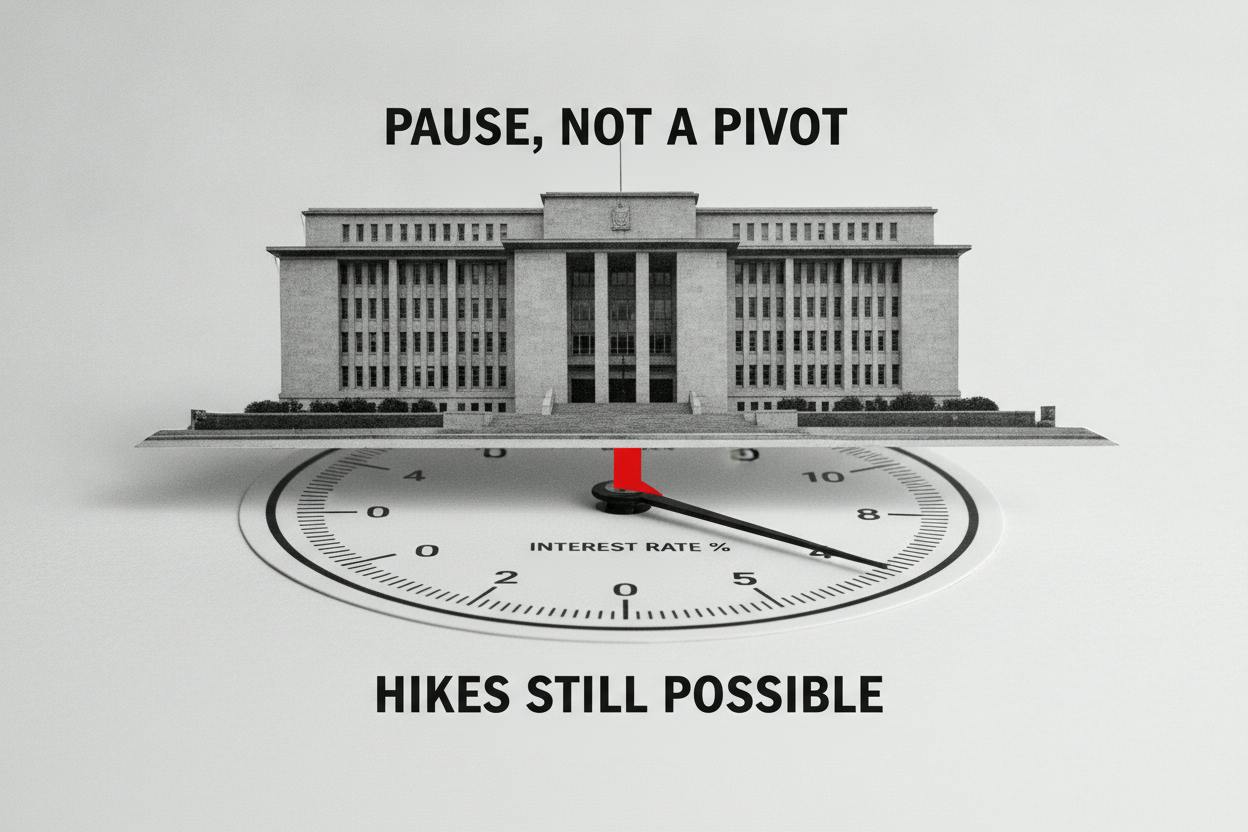
The South African Reserve Bank (SARB) described the move as a pause rather than a pivot, signaling that it is not ready to start cutting rates anytime soon. In its statement, the bank said policy is now “tight enough” for the time being, but it also stressed that it “will not hesitate to raise rates if needed.” That language is central-bank code for “don't expect quick cuts.”
Why the split vote matters
The 4-3 vote is significant because it shows that a substantial minority of policymakers still wanted a quarter-point increase. That means the bar for resuming hikes is not very high. If inflation continues to run hot in the coming months, another increase could be on the table.
Inflation at 5.2% is well above the SARB's target range of 3% to 6%, but it is also above the midpoint of that range, which the bank aims to keep inflation near. The bank's preferred measure of inflation, which excludes food and energy prices, has been sticky, and the recent rise in the headline number adds to the pressure.
The decision comes against a backdrop of a struggling South African economy, with weak growth and high unemployment. The central bank has to balance the need to contain inflation with the risk of choking off an already fragile recovery.
What it means for borrowers and savers
For ordinary South Africans, the hold means that loan and mortgage costs will not rise further for now. That provides some relief to households that have been squeezed by higher borrowing costs over the past year. However, the bank's cautious tone suggests that rates could stay at elevated levels for a while, which means borrowers should not expect a quick return to cheaper credit.
Savers, on the other hand, may continue to benefit from relatively high interest rates on deposits, though those rates are unlikely to rise further unless the bank resumes hiking.
What it means for investors
For financial markets, the SARB's decision keeps short-term rates on what analysts call “hike watch.” A pause often signals the end of a hiking cycle, but this one looks narrow. The close vote and above-target inflation suggest that investors may start pricing in a higher chance of another small increase, and they may push out the timing of any eventual rate cuts.
That repricing typically shows up first in money-market instruments and short-dated South African government bonds, which are most sensitive to changes in the central bank's policy rate. If markets expect rates to stay higher for longer, yields on those bonds could rise, which would push prices down.
The decision could also affect the rand. If investors believe that South African rates will remain relatively high, the currency can become more attractive to global investors seeking “carry” — the return from holding a higher-yielding currency. However, that support can fade quickly if inflation keeps surprising on the upside or if economic growth weakens.
Broader context
The SARB's decision is part of a global trend of central banks pausing their rate-hiking cycles as they assess the impact of previous increases. In recent weeks, the U.S. Federal Reserve has also signaled a possible pause, while other central banks, such as the Reserve Bank of New Zealand, have held rates steady while warning about persistent inflation. Similar caution has been seen elsewhere.
In Asia, Thailand's central bank has indicated it will keep rates steady, and Japan's central bank has hinted at possible future hikes. Thailand's approach and Japan's signals show that central banks are navigating a tricky path between inflation and growth.
For South Africa, the key question is whether inflation will cool on its own or whether the bank will need to act again. The next inflation data will be closely watched, as will any comments from SARB officials. If price pressures persist, the 4-3 vote suggests that a hike is far from off the table.
For investors, the takeaway is that South African assets remain sensitive to inflation surprises and central bank policy. Keeping an eye on inflation reports and the bank's statements will be crucial for anyone with exposure to the rand, South African bonds, or local equities.