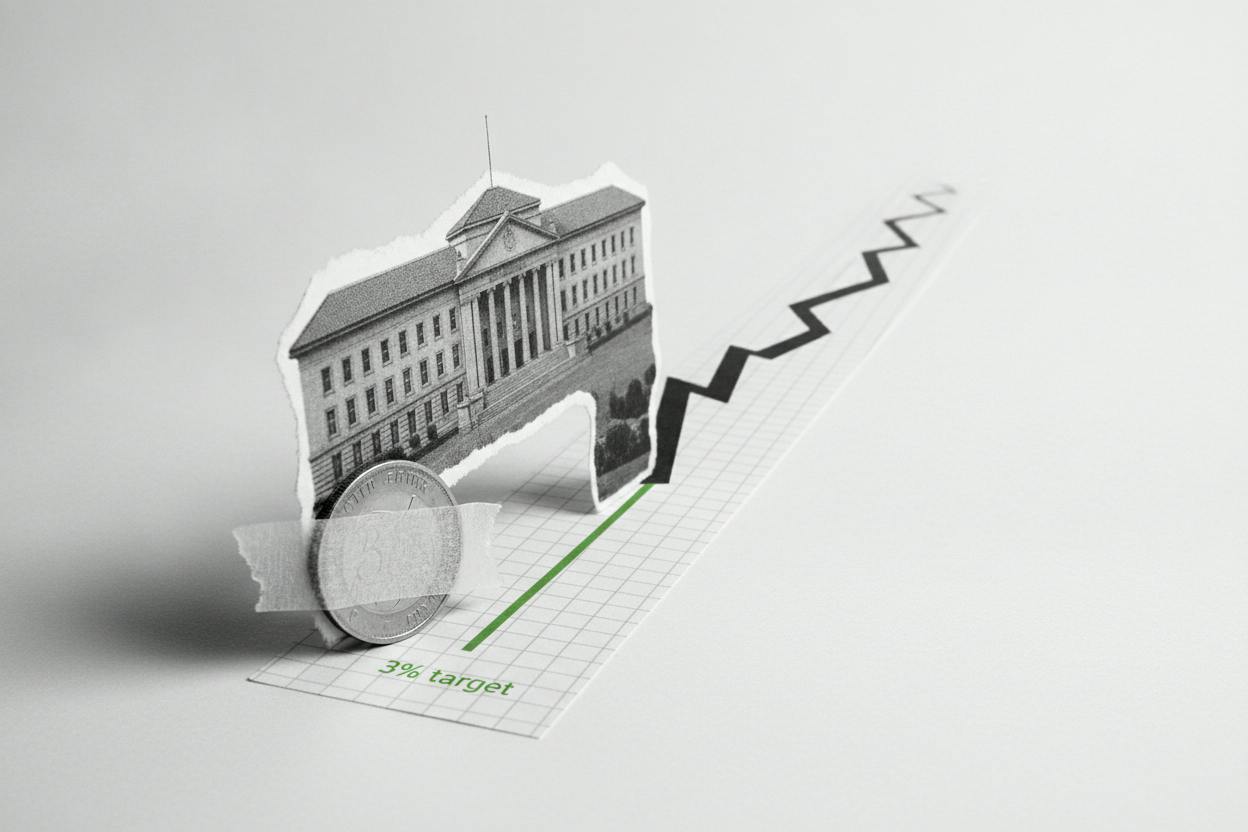
South Africa's central bank has delivered a sobering message for borrowers: inflation may not return to its 3% target until 2028. Governor Lesetja Kganyago's comments come just weeks after the bank raised its benchmark interest rate by 25 basis points to 7.25%, a move that underscores its commitment to fighting persistently high prices.
The admission that the inflation target is years away is a clear signal that the era of cheap money is over, and that the central bank is prepared to keep policy tight for an extended period. For everyday South Africans, that means borrowing costs—from home loans to car financing—are likely to stay elevated, squeezing household budgets and dampening consumer spending.
Why inflation is proving stubborn
South Africa's inflation rate has been running above the central bank's preferred range for some time, driven by a combination of global and domestic factors. High energy prices, a weak rand, and supply chain disruptions have all contributed to keeping price pressures elevated. The central bank's target is to keep inflation between 3% and 6%, but the governor's remarks suggest that even the midpoint of that range may be a distant goal.
The 25-basis-point hike in the previous month was the latest in a series of increases aimed at reining in price growth. However, Kganyago's timeline—pointing to 2028 for a return to 3%—indicates that the bank expects the battle against inflation to be a long one. This is a stark contrast to some other economies where inflation has begun to cool more quickly, but South Africa's unique challenges, including structural constraints and a reliance on imported goods, make its path back to price stability slower.
What this means for investors
For investors, the central bank's stance has several implications. First, higher interest rates tend to make bonds more attractive, as yields rise, but they can weigh on equities, particularly in rate-sensitive sectors like real estate and consumer discretionary. Companies that rely heavily on borrowing may see their profit margins squeezed, while banks could benefit from wider net interest margins.
Second, the prolonged tight policy could keep the rand under pressure, as foreign investors may be drawn to higher-yielding currencies, but the risk of a global slowdown could offset that. A weaker rand makes imports more expensive, which can feed back into inflation, creating a challenging cycle.
For those with savings, the high interest rates are a silver lining, offering better returns on fixed deposits and money market funds. However, for those with variable-rate debt, the burden is growing, and the central bank's message suggests that relief is not imminent.
Global context
South Africa's situation is not isolated. Central banks around the world are grappling with similar trade-offs between fighting inflation and supporting growth. Recent hot US inflation data has rattled markets globally, reviving fears of further rate hikes by the Federal Reserve. That has had a knock-on effect on emerging markets, including South Africa, as capital flows shift and currencies fluctuate.
The global market turbulence has also been felt in Asia, where tech stocks have slid on rate fears. For South Africa, the external environment adds another layer of uncertainty, as the central bank must navigate both domestic inflation pressures and global financial conditions.
What to watch next
Investors will be closely monitoring upcoming inflation data and the central bank's policy statements for any hints of a shift. The next few months will be critical in determining whether the bank's forecast holds or if inflation proves even more stubborn than expected. If inflation remains high, further rate hikes could be on the table, which would extend the pain for borrowers but could also support the currency.
For now, the message from the central bank is clear: patience is required. The road back to 3% inflation is a long one, and the journey will likely be marked by continued tight policy and elevated borrowing costs. For investors, that means adjusting portfolios to a higher-for-longer rate environment, focusing on quality, and being prepared for volatility.
As always, it's important to remember that these are broad market conditions, not personalized advice. Every investor's situation is unique, and decisions should be made based on individual goals and risk tolerance.