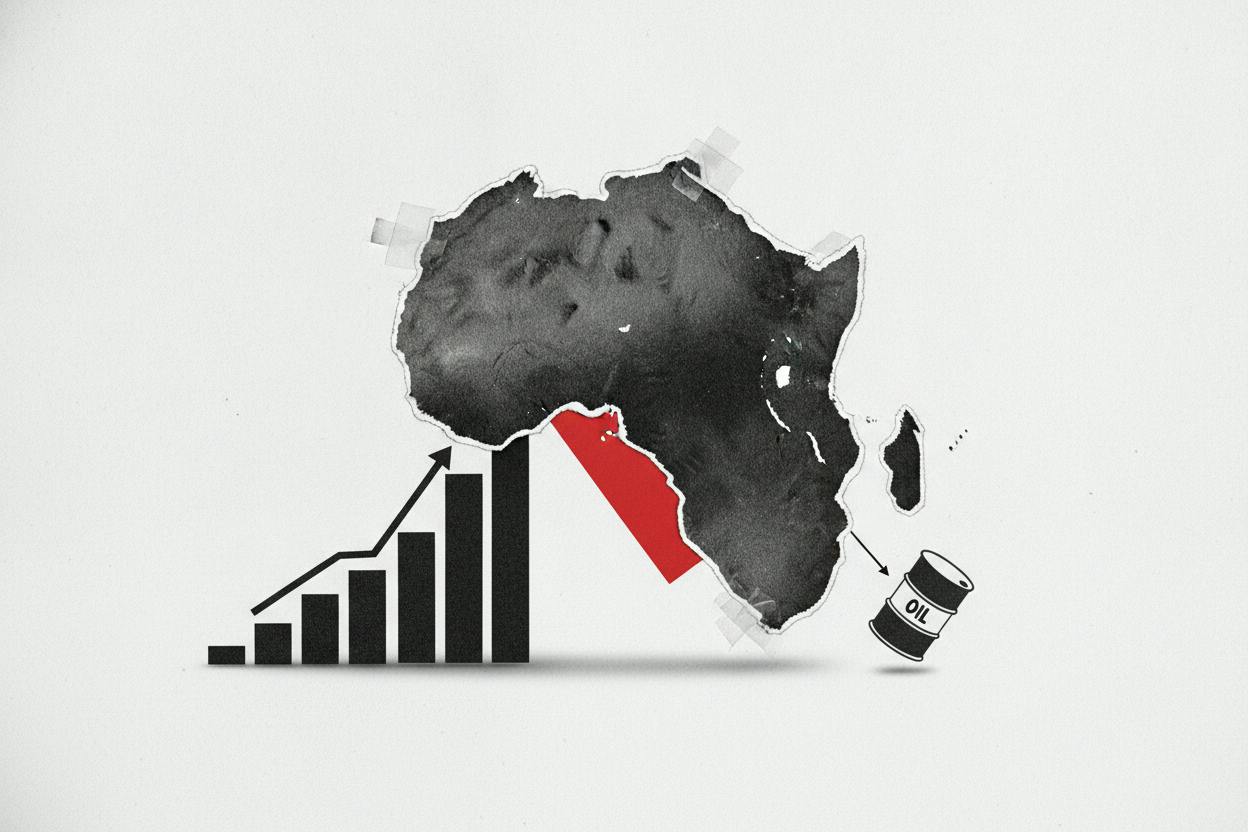
A hotter-than-expected US inflation reading is sending ripples through global markets, and African economies are feeling the effects. This week, Nigeria released its September inflation data, Uganda's central bank delivered a surprise interest-rate hike, and oil prices slipped on fresh concerns about supply through the Strait of Hormuz.
Why US inflation matters for Africa
When US inflation comes in hot, investors often assume the Federal Reserve will keep interest rates higher for longer. That tends to push up US bond yields and support the dollar. For emerging and frontier markets, a stronger dollar can be a double-edged sword: it pulls investment money toward the US and makes it more expensive for investors to fund trades in riskier assets.
That dynamic is playing out across African markets. South Africa's rand weakened as traders repriced the global backdrop, and Uganda's central bank called an emergency meeting to steady its currency. The moves highlight how a single US data point can quickly cascade through economies thousands of miles away.
Nigeria's inflation picture
Nigeria's September inflation data landed against this backdrop. While the brief doesn't specify the exact numbers, the timing is significant. Nigeria has been grappling with persistently high inflation, partly driven by currency weakness and subsidy reforms. A stronger dollar can add to import costs, putting further pressure on domestic prices.
For everyday Nigerians, high inflation means the cost of food, transport, and other essentials keeps rising. The central bank has been hiking rates to fight inflation, but that can also slow economic growth. Investors will be watching to see whether the latest data changes the policy outlook.
Uganda's surprise rate hike
Uganda's central bank surprised markets with an emergency rate hike, a move aimed at steadying the shilling. When a currency weakens sharply, it can fuel inflation by making imports more expensive. By raising rates, the central bank hopes to attract capital and support the currency.
Emergency moves like this are often a sign that policymakers feel the pressure is acute. For Ugandan businesses and consumers, higher rates mean more expensive loans, which can dampen spending and investment. But the alternative—letting the currency slide—could be worse if it leads to runaway inflation.
Oil prices and the Strait of Hormuz
Adding to the mix, oil prices slipped on fresh supply concerns related to the Strait of Hormuz. The strait is a critical chokepoint for global oil shipments, and any disruption can send prices swinging. However, the brief notes prices slipped, suggesting that traders may be weighing other factors, such as demand worries or the possibility of increased supply.
For African oil importers, lower oil prices can be a relief, as they reduce energy costs and ease pressure on trade balances. But for oil exporters like Nigeria, lower prices mean less revenue. The net effect on each country depends on whether they are net importers or exporters.
What it means for investors
For investors with exposure to African markets, the key takeaway is that global forces—especially US monetary policy—remain a dominant driver. A stronger dollar and higher US yields can lead to capital outflows from emerging markets, pressuring currencies and asset prices.
That doesn't mean African markets are doomed. Many countries have built up reserves and adopted more flexible exchange rates. But volatility is likely to continue as long as US inflation stays elevated and the Fed's path remains uncertain.
Investors should watch for signs of how central banks in Nigeria, Uganda, and elsewhere respond. Rate hikes can support currencies but may also slow growth. The balance between fighting inflation and supporting economic activity is a delicate one.
As the global backdrop shifts, African markets will remain sensitive to US data releases. The ripple effects from a single inflation report can be felt from Lagos to Kampala, reminding investors that in today's interconnected world, no market is an island.