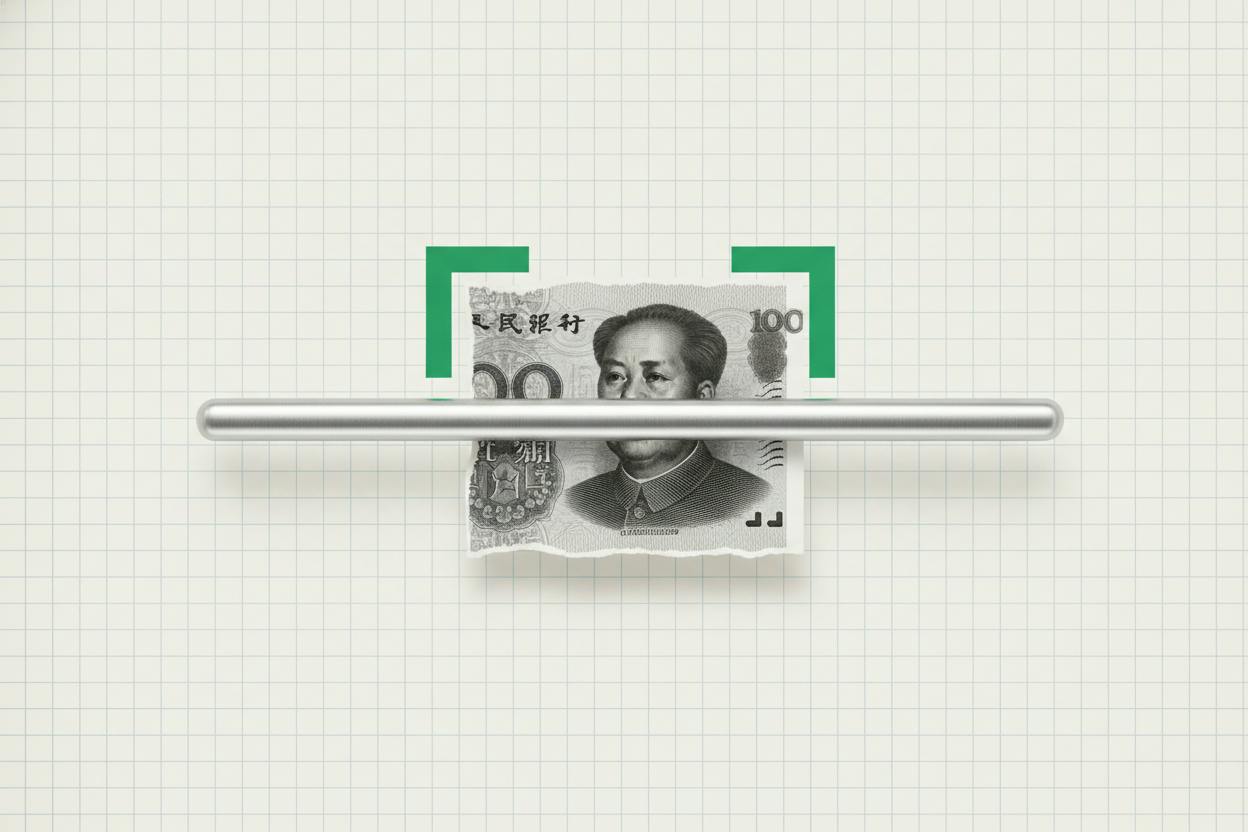
South Korean President Lee Jae Myung has described the country's recent stock market pullback as "inevitable," seeking to frame the decline as a natural correction after a period of strong gains. His remarks come as new data shows the National Pension Service (NPS), one of the world's largest public pension funds, has seen the value of its domestic equity holdings tumble.
According to a Bloomberg report, the NPS's major domestic equity holdings fell by 182 trillion won (roughly $130 billion) to 333.5 trillion won as of October 15, down from 515.9 trillion won at the end of June. The decline was driven largely by sharp drops in two of South Korea's biggest companies: Samsung Electronics and SK Hynix, both major players in the global semiconductor industry.
Why the market is falling
The KOSPI, South Korea's main stock index, had rallied strongly earlier in the year, fueled by optimism around artificial intelligence and a global tech boom. But that enthusiasm has cooled in recent weeks, with concerns about AI-related debt and rising bond yields weighing on tech stocks across the region. Similar sell-offs have hit other Asian markets, including Japan's Nikkei, which slid as rising bond yields pressured technology shares.
For South Korea, the concentration of the market in a handful of tech giants means that when chip stocks stumble, the entire index feels it. Samsung Electronics and SK Hynix are not just large companies; they are index heavyweights whose performance can move the whole market. Their recent declines have therefore had an outsized impact on the NPS's portfolio.
The president's characterization of the pullback as "inevitable" appears aimed at calming investor nerves. Officials are reportedly weighing measures to steady market confidence, though no specific steps have been announced yet. The government may be hoping that by framing the drop as a healthy reset, it can prevent panic selling and support a more orderly market.
What it means for investors
For everyday investors, the news is a reminder that even the largest institutional players are not immune to market volatility. The NPS, which manages retirement savings for millions of South Koreans, has seen a significant chunk of its domestic equity value evaporate in just a few months. While the fund is diversified and long-term in its outlook, such swings can still affect its ability to meet future pension obligations.
The situation also highlights the risks of concentration. When a market is heavily weighted toward a few sectors—like semiconductors in South Korea—investors are more exposed to sector-specific shocks. Diversification, both across sectors and geographies, remains a key strategy for managing such risks.
For those watching the broader Asian tech landscape, the current pullback is part of a wider trend. Korea's KOSPI has already slid nearly 3% on concerns about AI chip debt, and similar pressures have hit other markets. Japan's Nikkei has also fallen as bond yields rise, underscoring how interconnected these markets have become.
Investors should also note that the NPS's losses are not just a South Korean story. The fund is a major global investor, and its domestic equity losses could influence its future asset allocation decisions. If the NPS shifts more of its portfolio toward overseas assets or bonds, that could have ripple effects on global markets.
What to watch next
Market participants will be watching for any concrete policy responses from the South Korean government. Possible measures could include tax incentives for investors, a slowdown in corporate share buybacks, or even direct market intervention. The government's ability to stabilize sentiment will be tested in the coming weeks.
Also on the radar are the earnings reports from Samsung Electronics and SK Hynix. If these companies deliver strong results, it could help restore confidence in the tech sector and support a rebound. Conversely, weak guidance could extend the sell-off.
For now, the president's message is clear: the pullback is a normal part of market cycles, not a sign of systemic trouble. Whether investors share that view remains to be seen.