Kenyan lender Stanbic Holdings is betting that the country's recent run of central-bank rate cuts will translate into stronger business in the second half of the year, even as the lower-rate environment squeezed its margins and forced it to slash its interim dividend.
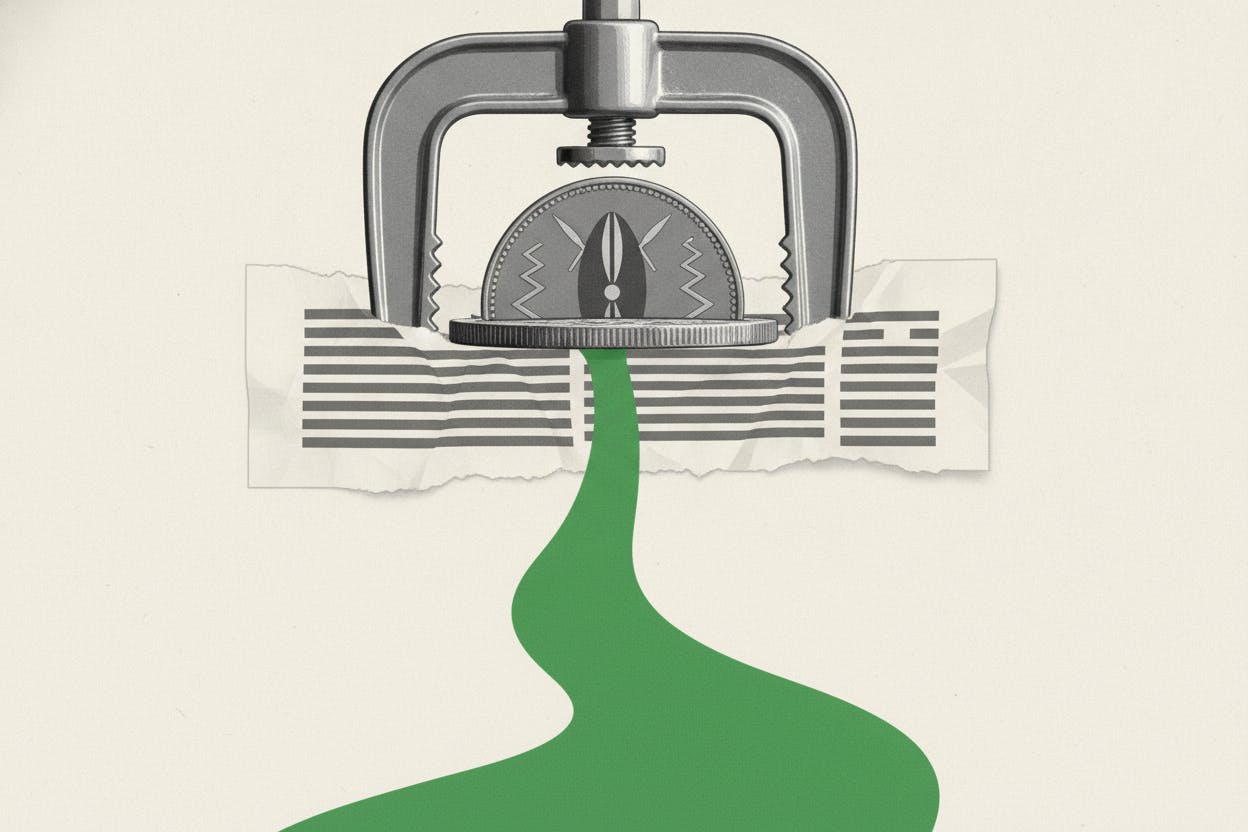
The bank, a subsidiary of South Africa's Standard Bank Group, more than halved its interim dividend after its net interest margin—the difference between what it earns on loans and pays on deposits—narrowed. That is a familiar pain point for banks when interest rates fall: loan rates adjust downward quickly, but the cost of funding does not drop at the same speed.
But CEO Joshua Oigara told Reuters that the tide is turning. Cheaper credit is starting to lure borrowers back, particularly small and medium-sized enterprises (SMEs) and retail customers. He expects the second half to look better as that demand translates into actual lending.
Why rate cuts matter for banks
Central banks cut interest rates to stimulate borrowing and spending. For banks, the immediate effect is often a hit to profitability because the interest they charge on loans falls faster than the interest they pay on deposits. That compression in margins is exactly what Stanbic experienced.
However, the longer-term logic is that lower rates encourage businesses to invest and consumers to spend, which eventually boosts loan volumes. If that plays out, banks can offset thinner margins with more loans on their books.
Kenya's central bank has been on an easing path, cutting its benchmark rate in recent months to support an economy that has faced headwinds from high living costs and a weakening currency. The hope is that cheaper money will reignite private-sector activity.
For Stanbic, the early signs are positive. Oigara noted that demand from SMEs and retail clients is picking up, which could drive loan growth in the months ahead. That would be a welcome reversal after a period when high rates had discouraged borrowing.
Dividend cut signals caution
The decision to halve the interim dividend is a clear sign that the bank is being prudent with its capital. Dividends are payments to shareholders out of profits, and cutting them frees up cash for other uses, such as building reserves or funding growth.
For income-focused investors, a dividend cut can be disappointing, but it is not necessarily a red flag. In this case, it reflects the margin squeeze rather than a deterioration in asset quality or a looming crisis. The bank is essentially saying: we are earning less right now, so we will pay out less, but we expect conditions to improve.
Investors will be watching whether the second-half recovery materializes. If loan demand continues to strengthen, Stanbic could see its margins stabilize and its profits recover, which might allow it to restore dividends later.
What it means for investors
For everyday investors, this story highlights the delicate balance central banks strike when adjusting interest rates. Rate cuts are meant to help the broader economy, but they can hurt bank profitability in the short term.
If you hold Stanbic shares, the dividend cut is a direct impact on your income. But the CEO's outlook suggests the bank sees better days ahead. The key question is whether the pickup in lending will be strong enough to offset the margin pressure.
For those considering investing in Kenyan banks, the broader economic picture matters. Rate cuts can boost economic growth, which is generally positive for banks, but the timing of when that translates into profits is uncertain.
Stanbic's experience is not unique. Banks across emerging markets often face similar dynamics when central banks shift policy. The ability to manage margins while growing loan books is a test of management skill.
As always, it is wise to consider a bank's overall health—its capital levels, loan quality, and diversification—before making any investment decision. A single dividend cut is not a reason to panic, but it is worth understanding the reasons behind it.
Looking ahead, investors will likely focus on Stanbic's full-year results to see if the second-half optimism translates into numbers. The bank's performance will also be a bellwether for Kenya's broader economic recovery.
In the meantime, the rate-cut cycle continues to shape the landscape for lenders and borrowers alike. For Stanbic, the hope is that cheaper money will do its job and bring the economy—and its own profits—back to life.