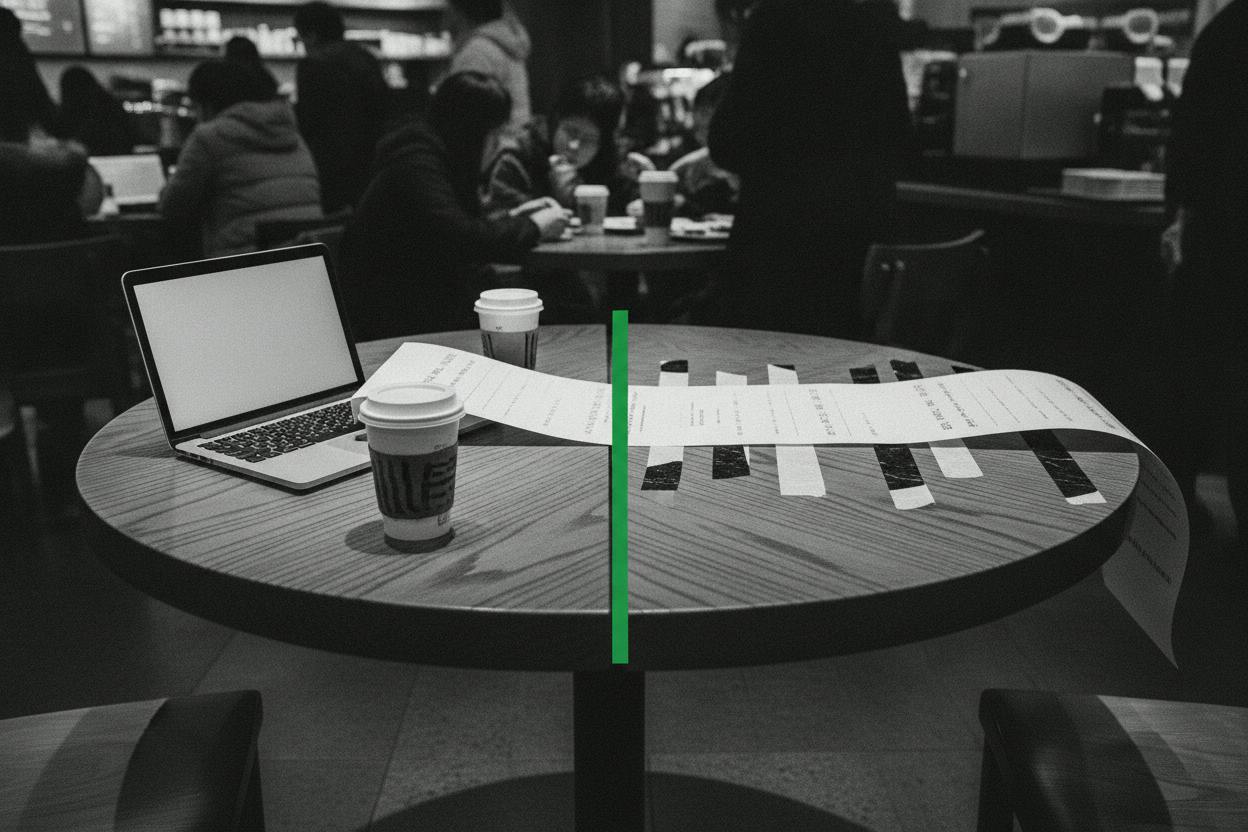
Starbucks China will begin enforcing a “no-purchase-no-seat” policy on Thursday, a move aimed at reclaiming its stores from being used as free coworking spaces. The rule, part of the company’s broader “Third Space” strategy, is designed to ensure that tables and chairs are available for customers who actually order something, especially during peak hours.
What is the 'Third Space' strategy?
The “Third Space” concept refers to Starbucks’ ambition to be a comfortable place between home and work. In China, where many people use cafes as informal offices or study spots, the company has seen its seating become a scarce resource. By requiring a purchase to sit, Starbucks hopes to reduce crowding, shorten lines, and improve the overall experience for paying customers.
To soften the impact, Starbucks said it will invest 300 million yuan (about $42 million) in store and service upgrades by fiscal year 2027. This includes improvements to seating, lighting, and digital ordering, as well as a promise to offer free drink remakes if customers are unhappy with their order. The goal is to make the policy feel less like a penalty and more like a commitment to quality.
Why is this happening now?
Starbucks China has faced intense competition from local rivals like Luckin Coffee, which offer lower prices and faster service. The company has also seen changing consumer habits, with more people working remotely and using cafes as makeshift offices. By enforcing the purchase requirement, Starbucks is trying to balance its role as a community gathering place with the need to generate revenue from every seat.
The move comes as Starbucks’ global leadership, under new CEO Brian Niccol, focuses on improving store operations and customer experience. In China, the company has been testing various initiatives to boost sales, including new store formats and menu innovations. The “no-purchase-no-seat” rule is one of the most visible changes to date.
What it means for investors
For investors, this policy is a signal that Starbucks is serious about protecting its margins and store productivity. By ensuring that seats are occupied by paying customers, the company can increase sales per square foot, a key metric in retail. The 300 million yuan investment is relatively small compared to Starbucks’ overall capital expenditure, but it shows a willingness to spend on the customer experience.
However, there is a risk that the policy could alienate some customers, particularly students and remote workers who may have been loyal but low-spending visitors. If they choose to go elsewhere, Starbucks could lose foot traffic. The company is betting that the improved experience and free remakes will keep customers coming back.
Investors should also watch how this policy affects same-store sales in China, a key growth market for Starbucks. The company has been under pressure to revive growth in the region, and this move is part of a broader effort to do so. As UBS noted in a recent analysis, Starbucks’ 2027 targets are the real test for the company’s turnaround.
Starbucks China’s move also comes amid broader economic challenges in the country, including consumer confidence concerns and a slowdown in discretionary spending. If the policy helps Starbucks stand out as a premium experience, it could be a positive differentiator. But if it drives away budget-conscious customers, it could backfire.
Looking ahead
Starbucks will likely monitor the impact of the new rule closely, adjusting if necessary. The company has not said whether the policy will be rolled out globally, but it could serve as a test case for other markets where seating is often occupied by non-customers.
For now, the focus is on making the “Third Space” work for both customers and shareholders. As Starbucks continues to invest in its stores and services, investors will be watching to see if these efforts translate into stronger sales and profitability. The broader Chinese market remains competitive, but Starbucks is betting that a better in-store experience will win the day.