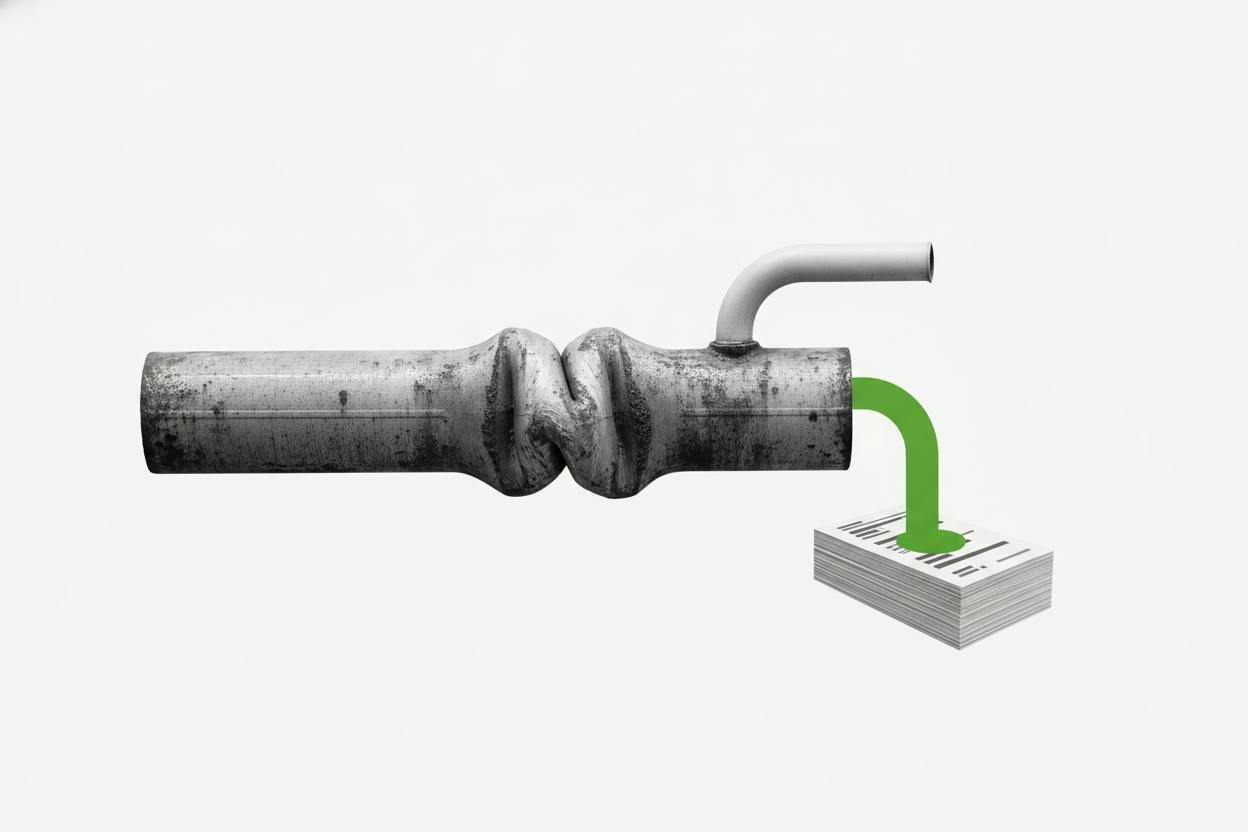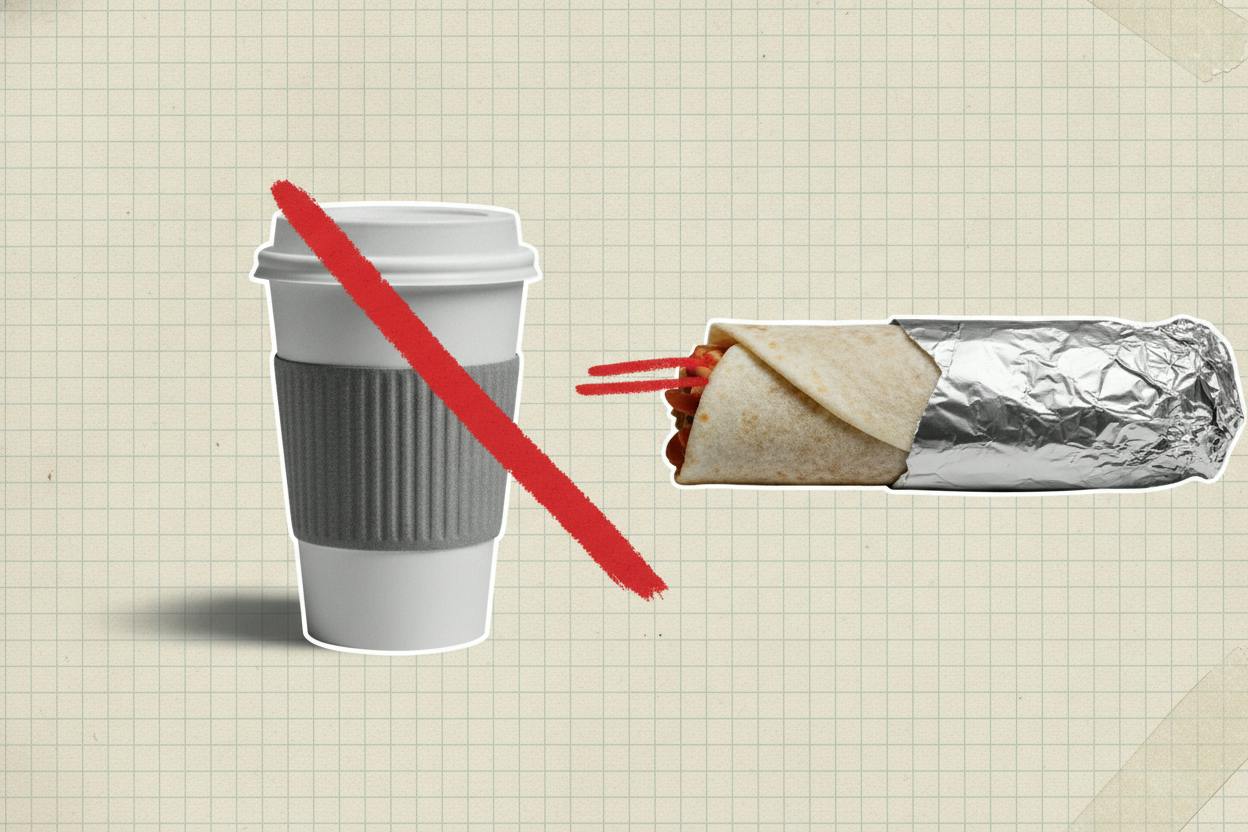
Starbucks on Monday formally denied that it plans to buy Chipotle, shutting down a wave of takeover speculation that began with an October 8 report in the Financial Times. The coffee chain said it had no intention of acquiring the burrito seller, a statement that sent Chipotle shares down and refocused investors on Starbucks' own turnaround efforts.
The denial caps a week of intense deal math. According to Reuters, a combination of the two restaurant giants could have created a group with roughly $50 billion in annual sales. But even as analysts crunched the numbers, many questioned whether the two brands made sense together—especially while Starbucks is in the middle of a strategic overhaul under CEO Brian Niccol, who took the top job in 2024.
Why the rumor took hold
The Financial Times report, published on October 8, said Starbucks had held discussions with advisers about a possible bid for Chipotle. That was enough to ignite speculation across the restaurant sector, with investors and media outlets quickly sketching out what a deal might look like.
Chipotle, known for its fast-casual Mexican food and its own strong brand, would have been a major acquisition for Starbucks. The two companies operate in different segments of the restaurant industry—Starbucks dominates coffee, while Chipotle is a leader in the so-called fast-casual category. A tie-up would have created a sprawling food and beverage empire, but it would also have raised questions about management bandwidth, brand overlap, and whether the deal would distract from Starbucks' core business.
Those concerns were amplified by the fact that Starbucks is still working through a turnaround. Under Niccol, the company has been trying to improve store operations, speed up service, and win back customers who have drifted to competitors. A massive acquisition would have pulled attention and resources away from that effort.
What the denial means for investors
For Chipotle shareholders, the news is a clear negative. The stock had likely been buoyed by the possibility of a takeover premium, and the denial removes that bid. Shares fell on Monday as investors adjusted to the reality that no deal is coming.
For Starbucks investors, the statement is reassuring in one sense: it signals that management is staying focused on the turnaround rather than pursuing a large, potentially risky acquisition. But it also removes a source of excitement that had been supporting the stock in recent days.
The episode is a reminder that takeover rumors can move markets quickly, but they don't always lead to deals. In this case, the rumor was enough to spark a flurry of analysis and a brief rally in Chipotle shares, only for the company to publicly rule it out.
Broader context: M&A activity in the restaurant sector
The Starbucks-Chipotle chatter comes amid a broader wave of merger and acquisition activity across industries. In recent weeks, investors have seen BASF make job and site guarantees to revive its Evonik takeover talks, while Italy's banks face a levy threat as MPS takeover talks heat up. Even in the travel sector, Apollo's EasyJet takeover is on track for an early 2027 close.
But not every rumor ends in a deal. The Starbucks denial is a case study in how quickly speculation can be quashed, and how investors should be cautious about acting on unconfirmed reports.
For everyday investors, the key takeaway is to avoid making decisions based on takeover chatter alone. While such rumors can create short-term price swings, they are often unreliable. The more durable story here is Starbucks' ongoing turnaround and Chipotle's standalone performance.
As the market digests the news, attention will likely shift back to fundamentals. Starbucks is expected to report earnings in the coming weeks, and investors will be watching for signs that Niccol's strategy is gaining traction. Chipotle, meanwhile, will continue to be judged on its own sales growth and margins.
In the end, the Starbucks-Chipotle story may be remembered as a brief moment of speculation that fizzled out. But it also highlights the constant buzz of dealmaking that surrounds the restaurant industry—and the importance of separating fact from rumor.