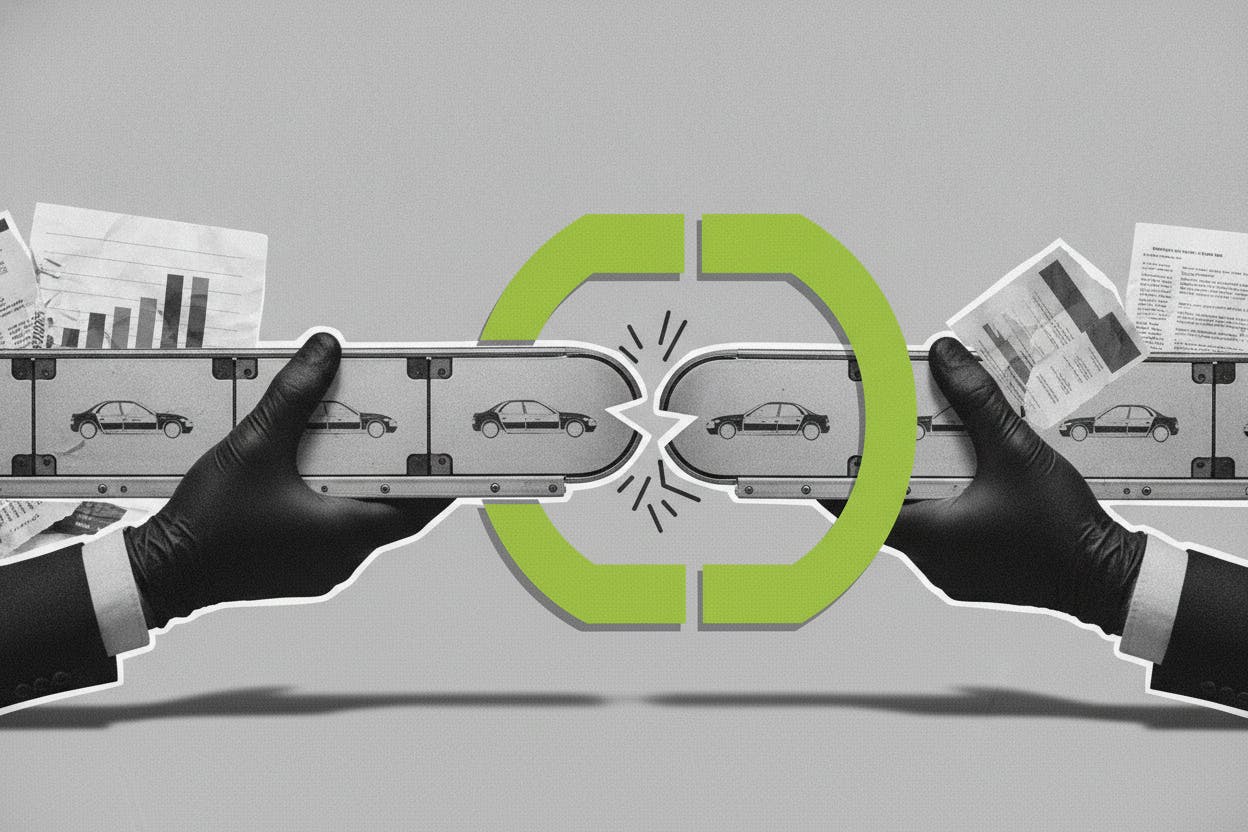
Two major automakers are circling the assets of a struggling parts supplier, signaling how deeply the global trade war is reshaping the automotive supply chain. Stellantis and Nissan are in separate talks to buy pieces of Marelli, a KKR-owned Tier-1 supplier that filed for Chapter 11 bankruptcy protection in the United States in June, according to a Bloomberg report.
Marelli, which makes suspension systems, cockpit electronics, and other components, ran into trouble after tariffs tied to the ongoing trade war squeezed its liquidity. The company depends heavily on cross-border parts shipments, and the new duties made it harder to keep cash flowing. When negotiations with creditors broke down, Marelli sought Chapter 11 protection to reorganize its debts while continuing operations.
What the Automakers Are After
According to Bloomberg, Stellantis is discussing the purchase of Marelli's suspension business, which includes operations in Italy and other countries. Nissan, meanwhile, is looking at Marelli's cockpit assets in Japan. These are not small side deals: suspension systems and cockpit electronics are critical components that can stop a production line if supply dries up.
For automakers, buying a supplier's specific plants or product lines is a way to "ring-fence" supply. Instead of relying on a financially shaky outside vendor, the carmaker brings that capacity in-house. That can keep parts flowing even if Marelli's broader restructuring drags on for months or years.
The talks are still in early stages, and no final agreements have been reached. But the fact that two major automakers are circling the same distressed supplier underscores how seriously they take the risk of a parts shortage.
Why a Supplier's Bankruptcy Matters to Investors
Marelli is what the industry calls a Tier-1 supplier: it sells parts directly to automakers, not to consumers. When a Tier-1 supplier runs into financial trouble, the immediate market worry is not just the bankruptcy process itself. It is whether deliveries get disrupted. A single missing component can idle an entire assembly plant, costing millions of dollars a day in lost revenue.
That is why automakers sometimes step in to buy critical assets from a struggling supplier, even if they would rather not own a parts factory. The alternative—a production stoppage—is usually more expensive.
But the flip side is financial. What used to be a simple pay-a-supplier expense becomes an owned operation that needs ongoing capital spending, inventory management, and management attention. That can make near-term operating margins and cash flow for Stellantis and Nissan more sensitive, even if supply becomes more secure.
For investors in Stellantis and Nissan, the key question is whether these potential acquisitions are defensive moves to protect existing production, or whether they signal a broader shift toward vertical integration. If other automakers follow suit, it could change how the industry thinks about supply chains.
Broader Context: Trade War and Supply Chain Stress
Marelli's Chapter 11 filing is not an isolated event. The global trade war has put pressure on many companies that rely on cross-border supply chains. Tariffs raise the cost of imported components, and when a company like Marelli imports and exports parts across multiple countries, the cumulative effect can be severe.
The automotive industry is particularly exposed because its supply chains are highly integrated across borders. A part might be made in Mexico, assembled in the United States, and shipped to a plant in Canada. Tariffs at any border can disrupt that flow.
Marelli's situation is also a reminder that private equity ownership does not guarantee stability. KKR bought Marelli in 2019, but the trade war and subsequent economic pressures proved too much for the supplier's balance sheet.
For context, other companies are also feeling the pinch. Dell ended a distribution deal with Arrow that put up to $2 billion in sales at risk, and Microsoft hiked Xbox prices as memory chip costs surged. These are different industries, but they all reflect the same theme: rising costs and supply chain fragility are forcing companies to adapt.
What to Watch Next
Investors should keep an eye on whether the Marelli asset sales go through, and at what price. If Stellantis and Nissan can acquire the assets at a discount, it could be a net positive for their supply security. But if the deals drag on or fall apart, the risk of a production disruption rises.
Also watch for signs that other automakers are making similar moves. If the industry starts buying up distressed supplier assets more broadly, it could signal a structural shift in how car companies manage their supply chains.
Finally, Marelli's Chapter 11 process itself will be worth monitoring. The company is trying to reorganize and emerge from bankruptcy, but if it cannot sell enough assets or restructure its debts, liquidation remains a possibility. That would put even more pressure on automakers to secure alternative sources for critical parts.
For everyday investors, the takeaway is simple: when a key supplier stumbles, the ripple effects can reach far beyond the bankruptcy court. Automakers are now moving to protect themselves, and that has implications for their costs, their margins, and ultimately their stock prices.