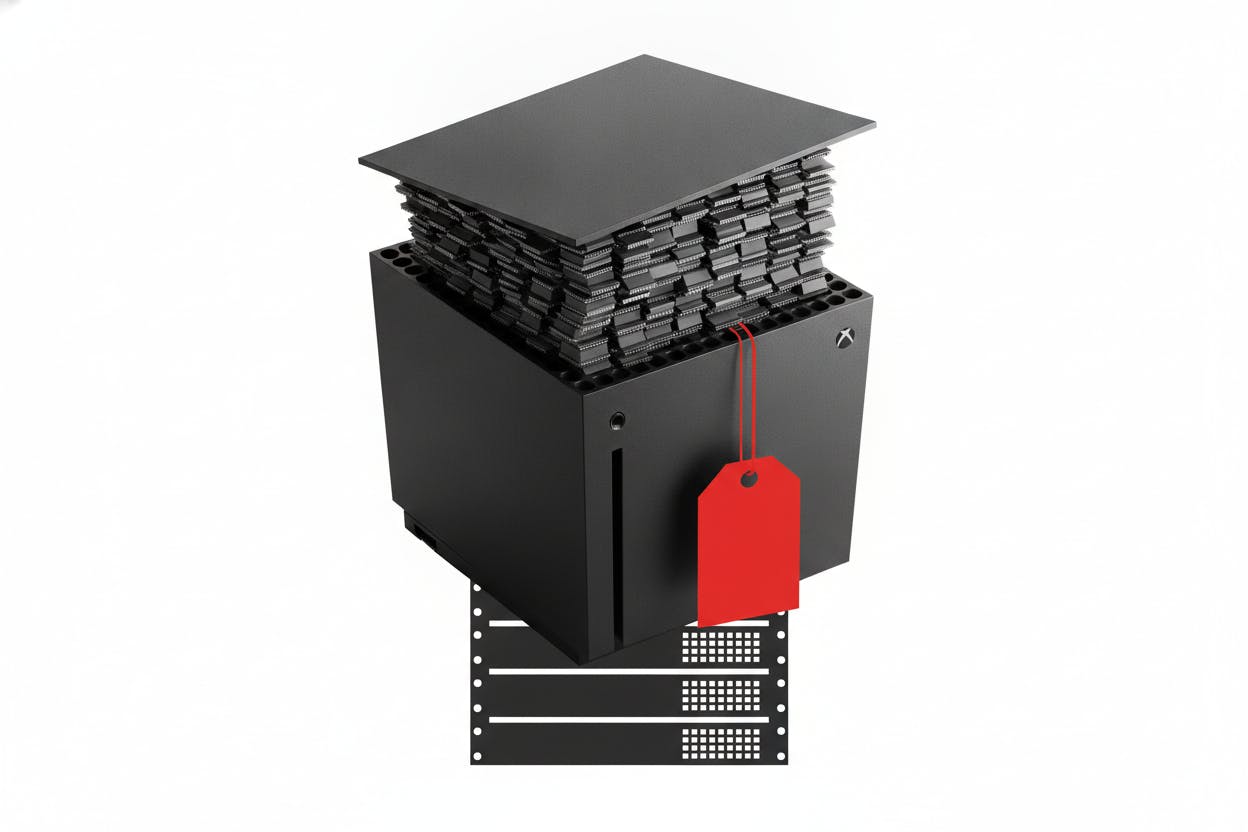
Microsoft has announced it will raise prices on its Xbox consoles by up to $150 starting August 1, citing a sharp increase in the cost of memory and storage chips. The move is the latest sign that rising component prices—driven partly by booming demand for artificial intelligence hardware—are squeezing consumer electronics makers and their customers.
The company said the storage and memory components inside its consoles now cost more than 2.5 times what they did previously, and it expects those costs to double again by fall 2027. To offset the pressure, Microsoft will increase the price of 512 GB models by $100 and 1 TB versions by $150, while discontinuing the 2 TB option entirely.
Why Memory Chips Are Getting More Expensive
Memory and storage chips—specifically NAND flash and DRAM—are essential components not just in gaming consoles but in laptops, tablets, smartphones, and data center servers. When their prices rise, device makers face a difficult choice: absorb the higher costs and accept thinner profit margins, or pass them on to consumers.
Microsoft is doing both. The company is raising prices on most models and simplifying its product lineup by dropping the highest-storage SKU, which requires the most chips. This approach, known as SKU simplification, helps reduce exposure to the most expensive components while still offering a range of options.
The chip cost surge has multiple drivers. One major factor is the explosive growth of AI data centers, which require vast amounts of high-performance memory. That demand competes directly with the same supply chain that serves consumer electronics. As a result, manufacturers of everything from phones to gaming consoles are paying more for the same parts.
Apple has already flagged similar pressure on products that rely heavily on memory chips, and reports suggest the company may raise prices on some Mac and iPad models. Sony has also increased prices on certain PlayStation 5 consoles in recent months. The trend is broad-based and shows no immediate signs of reversing.
What This Means for Consumers and Investors
For households, the Xbox price hike raises the upfront cost of entering the current console generation. A $100 to $150 increase on a device that already costs several hundred dollars is significant, especially at a time when many consumers are watching their spending more carefully.
Because the same memory and storage components are used across a wide range of electronics, the pressure Microsoft is citing could show up in other big-ticket items too. Laptops, tablets, and phones with higher storage capacities are particularly vulnerable to price increases, as they require more of the expensive chips.
For investors, the situation highlights a key dynamic in the tech hardware space: companies that rely heavily on commodity components are exposed to supply chain shocks that are largely outside their control. Microsoft's decision to raise prices and streamline its lineup is a defensive move, but it also signals that the company expects chip costs to remain elevated for some time.
Memory chip makers, by contrast, stand to benefit. Companies like Micron have reported strong demand from AI data centers, and the same dynamics that are squeezing consumer electronics makers are boosting revenue for chip suppliers. As we noted in a recent article on Micron's $22 billion in AI memory deposits, the shift toward contracted revenue in the memory industry is reshaping how these companies operate.
The broader takeaway is that the AI boom is not just a story about software and data centers. It is also reshaping the economics of the hardware we use every day, from gaming consoles to personal computers. As long as demand for AI memory continues to grow, consumers and investors alike should expect more of these cost pressures to surface across the electronics industry.