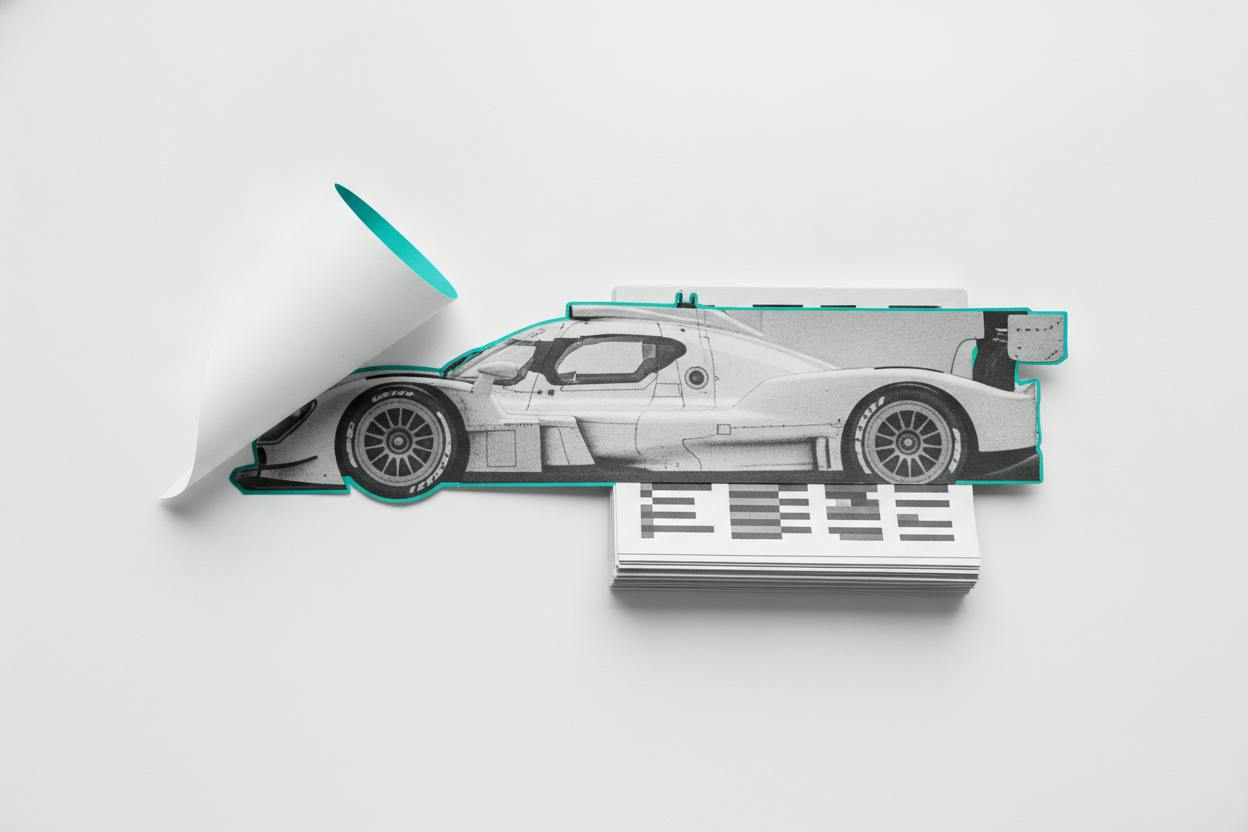
Stellantis, the automaker behind brands like Peugeot, Opel, Citroën, Jeep, and Maserati, has announced it will end its factory involvement in two major motorsport series. The company will pull Peugeot out of the FIA World Endurance Championship (WEC) after the 2026 season and wind down its Opel and Citroën Formula E program in the summer of 2027. The move is part of a broader effort to concentrate resources on its core car business.
Why Stellantis is stepping back
Stellantis frames the exits as a straightforward resource trade-off. Factory racing programs are expensive and demand significant executive attention. By stepping away, the company says it can redirect money and management focus toward its 2030 priorities, which include launching new models, improving quality, and expanding into more markets.
The company has not quantified the expected savings or any potential wind-down charges. However, it did confirm that the more than 200 employees in its motorsport unit will be retained and redeployed elsewhere. That suggests the financial impact will come mainly from cutting the recurring costs of running top-tier racing programs—such as car development cycles, track operations, logistics, entry fees, and partner support—rather than from large one-off redundancy payments.
This is not an abandonment of motorsport altogether. Stellantis says it will continue in areas that connect more directly to sales, like customer racing (selling race cars to private teams) and high-performance road-car versions for Alfa Romeo and Maserati. In other words, the company is choosing formats where the marketing and engineering benefits are easier to link to the showroom.
What it means for investors
For investors, the key takeaway is that Stellantis is reallocating operating expenses rather than undergoing a traditional restructuring. The absence of major layoff charges is a positive sign, as it suggests the financial hit will be limited to the cost of winding down contracts and facilities.
Still, the company has not given a savings target, so the actual benefit to the bottom line remains unclear. Investors will be watching whether the freed-up budget shows up in the core business in the form of smoother product launches and fewer quality problems. Those are the inputs that tend to translate into steadier margins and cash generation over time.
Stellantis has been under pressure to improve its financial performance. The company has been working to cut costs and end cash burn by 2027, as detailed in its cost-cutting acceleration plan. It also recently posted a small profit but faced a significant cash drain, a situation that tests its turnaround efforts. The racing exits are part of that broader cost discipline.
The company has also faced operational challenges, such as chip shortages affecting Fiat output in Italy. These issues highlight the importance of focusing resources on core manufacturing and product development.
Broader context
Stellantis is not alone in reassessing its motorsport involvement. Automakers have long used racing to showcase technology and build brand excitement, but the return on investment is not always clear. In recent years, several manufacturers have shifted away from factory teams in favor of customer racing or virtual competitions, where costs are lower and the link to road car sales is more direct.
Formula E, the all-electric racing series, was once seen as a key marketing platform for automakers pushing electric vehicles. But as EV competition intensifies and margins tighten, some companies are questioning whether the expense is justified. Similarly, endurance racing like the WEC offers prestige but requires substantial investment in specialized prototypes and logistics.
For Stellantis, the decision to exit these series aligns with its stated strategy of focusing on high-return activities. The company has not ruled out returning to motorsport in the future, but for now, the priority is clearly on the core business.
Looking ahead
Investors will be watching for more details on the financial impact of these exits, including any one-time charges and the expected annual savings. The company has not provided a timeline for when the benefits will show up in its financial statements.
In the meantime, Stellantis continues to navigate a challenging environment for automakers, including the transition to electric vehicles, supply chain disruptions, and intense competition. The motorsport pullback is one piece of a larger effort to streamline operations and improve profitability.
For everyday investors, the takeaway is that Stellantis is making a deliberate choice to spend less on racing and more on the fundamentals of its car business. Whether that pays off will depend on how well the company executes on its product plans and quality improvements in the coming years.



