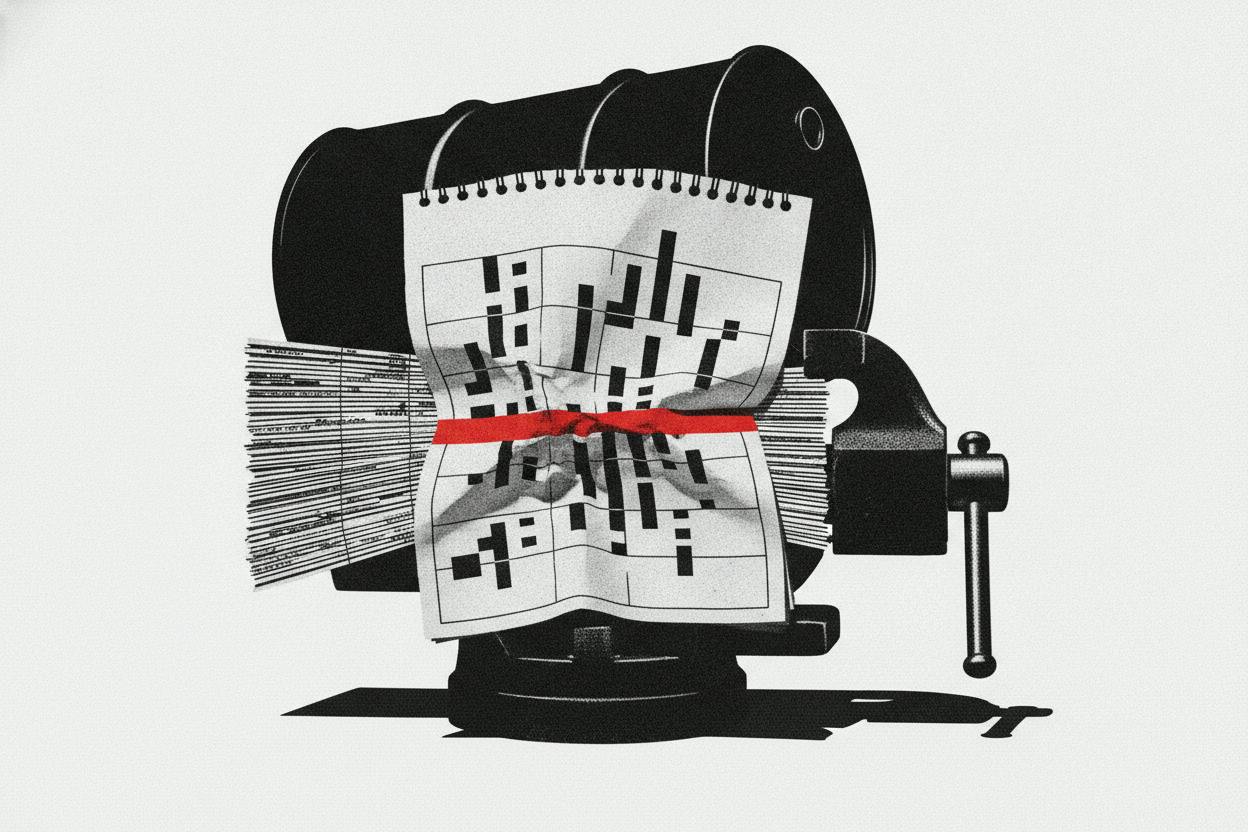
US stock futures were mixed on Thursday as investors braced for the release of September's consumer price index (CPI) and the latest round of big-bank earnings. The Dow and S&P 500 futures edged up slightly, while oil prices remained above $100 a barrel, adding to the inflation jitters that have kept markets on edge.
CPI report in focus
The CPI report, due out later in the day, is expected to show headline inflation rising to 3.6% in September, according to economists polled by Reuters. Core CPI, which strips out volatile food and energy prices, is forecast to rise 0.2% from August. That would be a modest increase, but any upside surprise could reignite fears that the Federal Reserve will need to keep interest rates higher for longer.
Traders were pricing in about a 22% chance that the Fed raises rates by a quarter point at its next meeting, according to futures markets. That probability has been fluctuating as investors weigh the latest economic data against the central bank's commitment to bring inflation down to its 2% target.
"Hotter inflation tends to push expectations for further rate hikes higher, which can weigh on stock valuations," said a market analyst. "Conversely, a cooler reading could give equities a boost."
Big banks report earnings
Alongside the inflation data, investors were digesting a fresh wave of earnings from major US banks. Bank of America was in the spotlight after it was hit with a $1.21 billion regulatory fine, a reminder of the regulatory scrutiny that continues to hang over the financial sector. The fine, related to past practices, adds to the costs that banks are already managing in a higher-rate environment.
Other big banks were also reporting, and the results so far have been mixed. While some have beaten expectations on trading revenue and net interest income, others have signaled caution about the economic outlook. JPMorgan's recent miss, for example, highlighted concerns about rising credit costs and a potential slowdown in consumer spending.
Banks are often seen as a bellwether for the broader economy, so their earnings are closely watched by investors. Strong results can boost confidence, while weak ones can raise worries about the health of the financial system and the economy as a whole.
Oil above $100
Oil prices remained above $100 a barrel, a level that adds to inflationary pressures and can squeeze consumers and businesses. Higher energy costs feed into the CPI and other inflation measures, making the Fed's job harder. For investors, sustained high oil prices can mean higher input costs for companies and less disposable income for consumers, which could weigh on corporate profits and economic growth.
The energy sector, however, tends to benefit from higher prices, and energy stocks have been among the best performers this year. But the broader market impact is generally negative, as it raises the risk of stagflation—a combination of slow growth and high inflation.
What it means for investors
For everyday investors, the key takeaway is that the market is in a wait-and-see mode. The CPI report and bank earnings will provide clues about the path of interest rates and the health of the economy. If inflation comes in hotter than expected, the Fed may be forced to raise rates further, which could lead to more volatility in stocks and bonds. If it comes in cooler, it could ease some of the pressure and support a rally.
Bank earnings, meanwhile, offer a window into how consumers and businesses are faring. If banks report strong profits and upbeat outlooks, it could signal resilience. But if they warn of deteriorating credit quality or weakening demand, it could be a red flag for the broader market.
Investors should also keep an eye on oil prices, as they remain a wildcard for inflation and growth. While it's impossible to predict the next move, staying diversified and focusing on long-term goals is often the best strategy in times of uncertainty.
As the day unfolds, the market's reaction to the data and earnings will likely set the tone for the coming weeks. For now, investors are bracing for a potentially volatile session.