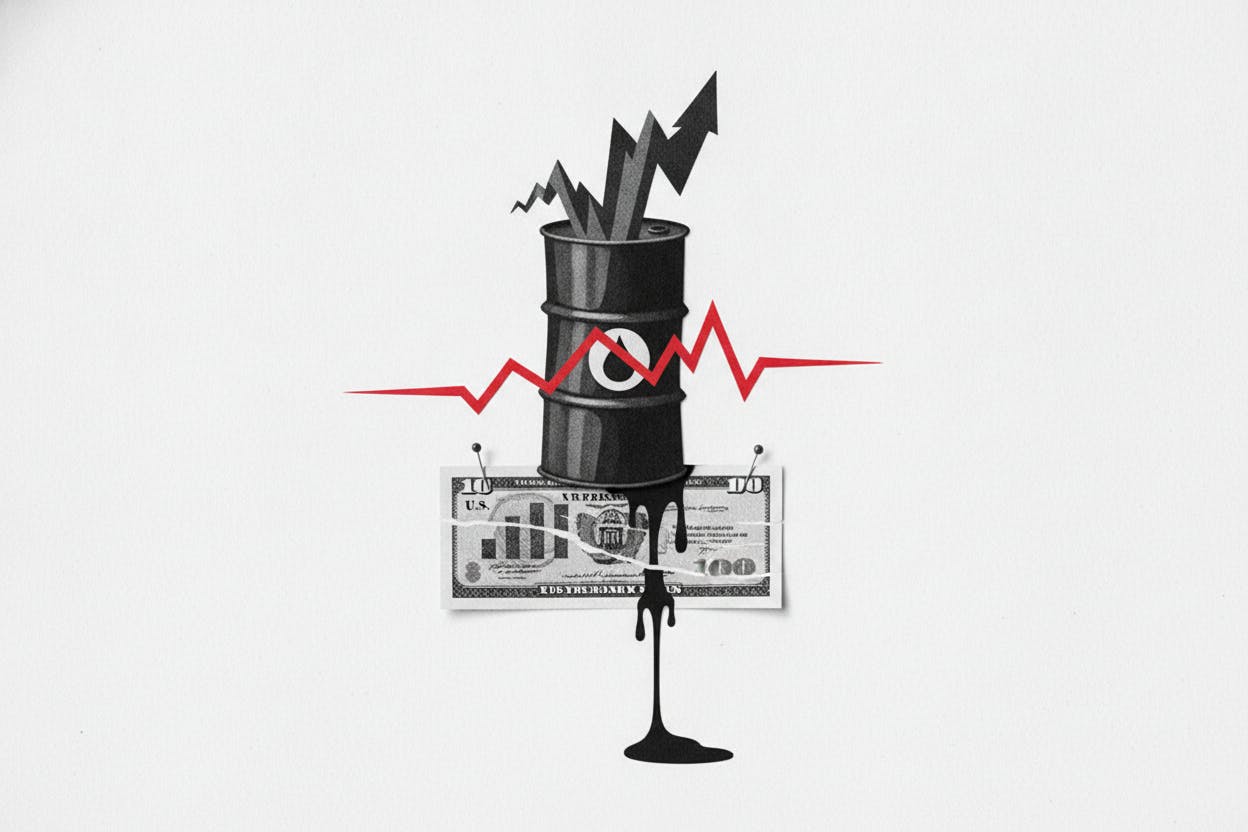
Stocks edged higher on Tuesday, even as oil prices swung sharply following fresh military strikes in the Middle East. The S&P 500 rose 0.41%, while Brent crude, the global oil benchmark, slipped back toward $77.54 a barrel after briefly pushing above $79. Meanwhile, the 10-year US Treasury yield held steady near 4.56%, reflecting a market caught between optimism about economic growth and concerns that rising energy costs could reignite inflation.
Oil's Wild Ride
Crude oil prices have been volatile in recent days as geopolitical tensions in the Middle East escalate. The region is a key transit point for global oil supplies, and any disruption can send prices spiking. Brent crude briefly touched $79 a barrel before retreating, as traders weighed the risk of supply disruptions against the possibility that the conflict might not escalate further.
This kind of price swing is typical when geopolitical events threaten oil infrastructure or shipping lanes. For example, recent tensions have raised concerns about the Strait of Hormuz, a critical chokepoint for oil tankers. Gulf stocks dipped earlier as tanker traffic halted in the strait, highlighting the direct link between regional instability and energy markets.
HSBC strategist Max Kettner noted that the bond market has been closely following oil prices, as higher crude costs can feed into broader inflation. That's why the 10-year Treasury yield, a key benchmark for borrowing costs, has stayed near 4.56%—investors are pricing in the risk that the Federal Reserve may need to keep interest rates higher for longer if inflation picks up.
What It Means for Investors
For everyday investors, the connection between oil prices and stock market moves can seem abstract, but it has real implications. When oil rises, it increases costs for businesses that rely on transportation and raw materials, potentially squeezing profit margins. It also raises gasoline prices for consumers, which can reduce spending on other goods and services.
On the other hand, lower oil prices can be a tailwind for the economy, as they reduce input costs and leave more money in consumers' pockets. The recent pullback in Brent crude from its highs may have helped calm some fears, allowing stocks to inch higher.
The S&P 500's gain of 0.41% suggests that investors are cautiously optimistic about the broader economic outlook, despite the geopolitical uncertainty. However, the market remains sensitive to any new developments in the Middle East, as well as to upcoming economic data that could influence the Fed's next move.
Bond Market Signals
The 10-year Treasury yield is a closely watched indicator of investor sentiment about the economy and inflation. A yield near 4.56% is relatively high compared to recent years, reflecting expectations that the Fed will keep rates elevated to combat inflation. If oil prices stay elevated, that could push yields higher, as investors demand more compensation for the risk of rising prices.
This dynamic has been playing out across global markets. Indian stocks and the rupee gained as oil eased, showing how oil-sensitive economies benefit from lower crude prices. Conversely, Saudi stocks dipped as industrial output fell, underscoring the challenges for oil-dependent nations.
Looking Ahead
Investors will be watching for any further escalation in the Middle East, as well as for economic data releases that could shift the outlook for interest rates. The Fed's next policy meeting is a key event, and any hints about the path of rates will move markets.
For now, the market is in a wait-and-see mode, balancing the risks of geopolitical turmoil against the resilience of the US economy. The S&P 500's modest gain suggests that investors are not panicking, but they are not fully confident either. As always, diversification and a long-term perspective remain important for navigating such uncertain times.



