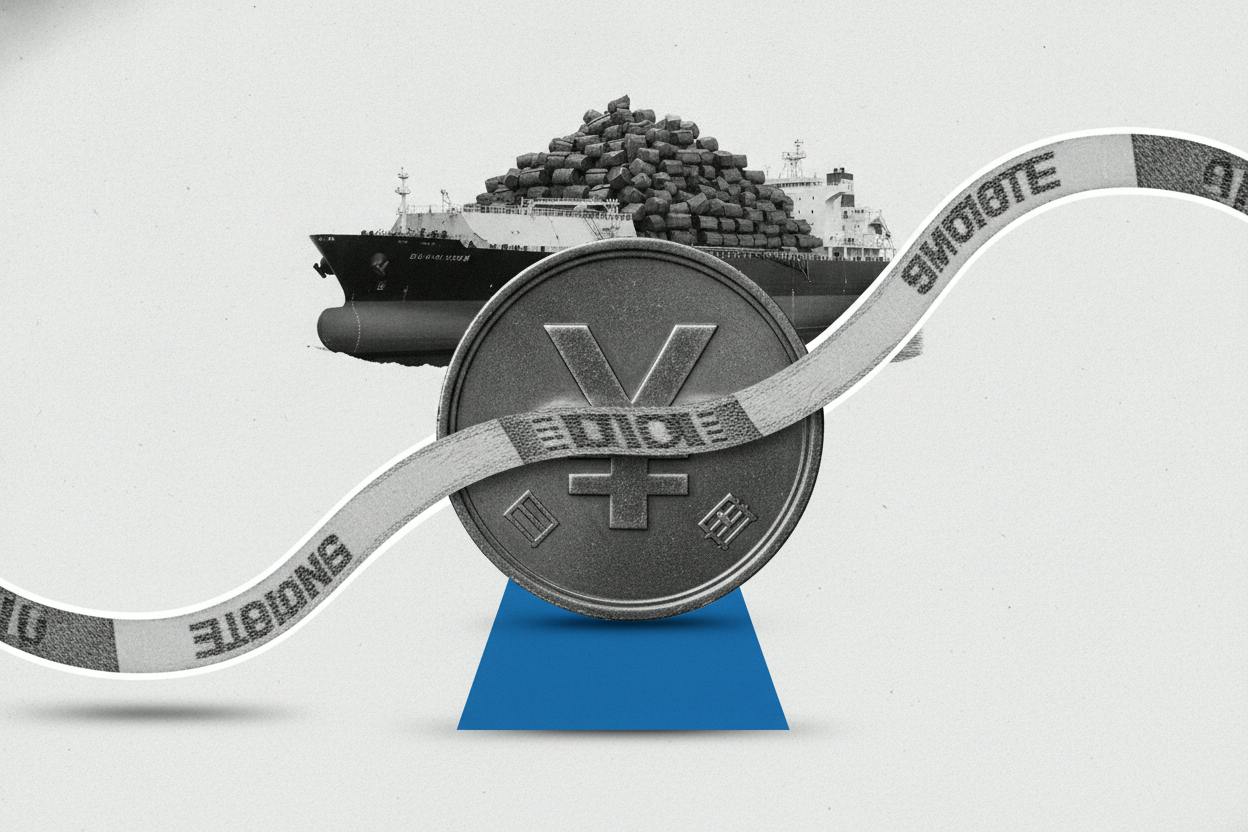
Sumitomo, one of Japan's largest trading houses, has raised its profit and dividend outlook for the current fiscal year, citing stronger results in its energy and metals businesses and a weaker yen that flatters overseas earnings.
The company now expects net profit of 670 billion yen for fiscal 2026, up from its previous forecast of 630 billion yen. It also lifted its dividend target to 44 yen per share from 40 yen, a move that will please income-focused investors.
What's behind the upgrade?
CEO Shingo Ueno said the improved outlook reflects higher commodity prices, "favorable" foreign exchange rates, and less disruption than expected from the prolonged Middle East conflict. Trading houses like Sumitomo buy and sell everything from copper to crude oil, so their profits are closely tied to global commodity prices and currency movements.
A weaker yen is a double-edged sword for Japanese companies. For exporters and firms with large overseas operations, a softer yen means foreign profits are worth more when converted back into yen. That dynamic has been a tailwind for many of Japan's big trading houses, which earn a significant share of their revenue outside the country.
The Middle East conflict had been a major source of uncertainty for energy markets. So far, supply disruptions have been less severe than many feared, allowing Sumitomo's energy trading and investments to perform better than expected.
What it means for investors
For everyday investors, the key takeaway is that Sumitomo is confident enough in its near-term earnings to raise guidance and pay out more to shareholders. Dividend increases are often seen as a sign that management believes the stronger performance is sustainable, not just a one-off.
The upgrade also highlights how sensitive Japanese trading houses are to global commodity cycles and currency markets. Investors in these stocks should be aware that profits can swing with oil and metal prices, as well as with the yen's value against the dollar and other currencies.
Sumitomo's revised outlook comes at a time when oil prices have been retreating, which could temper some of the enthusiasm for energy-related earnings. However, the company's metals business, which includes copper and other industrial metals, has also been strong, and that diversification helps cushion the impact of any single commodity's price moves.
For those who own Sumitomo shares or are considering them, the dividend hike is a tangible benefit. A 44 yen per share dividend represents a meaningful increase from the previous target, and it underscores the company's commitment to returning cash to shareholders.
Broader context
Sumitomo is part of Japan's sogo shosha — the general trading companies that have their roots in the country's post-war reconstruction. These firms are involved in a vast array of businesses, from natural resource development to food and retail, and they often take equity stakes in projects around the world.
The trading house sector has been a favorite among global investors in recent years, partly because of Warren Buffett's investments in the group. The companies have also been pushing to improve shareholder returns, with many raising dividends and buying back stock.
Sumitomo's upgrade is a positive signal for the broader Japanese market, which has been sensitive to corporate earnings news. It also comes as investors watch global growth prospects and the path of interest rates, both of which influence commodity demand and currency markets.
For now, Sumitomo's management is clearly comfortable with the trajectory of its business. The raised guidance and dividend target suggest that, barring a major shock, the company expects the current strength in energy and metals to persist through the rest of the fiscal year.
Investors should keep an eye on commodity prices and the yen in the coming months, as those will be the main swing factors for Sumitomo's final results. If energy and metals stay firm and the yen remains weak, the company could even beat its new targets.