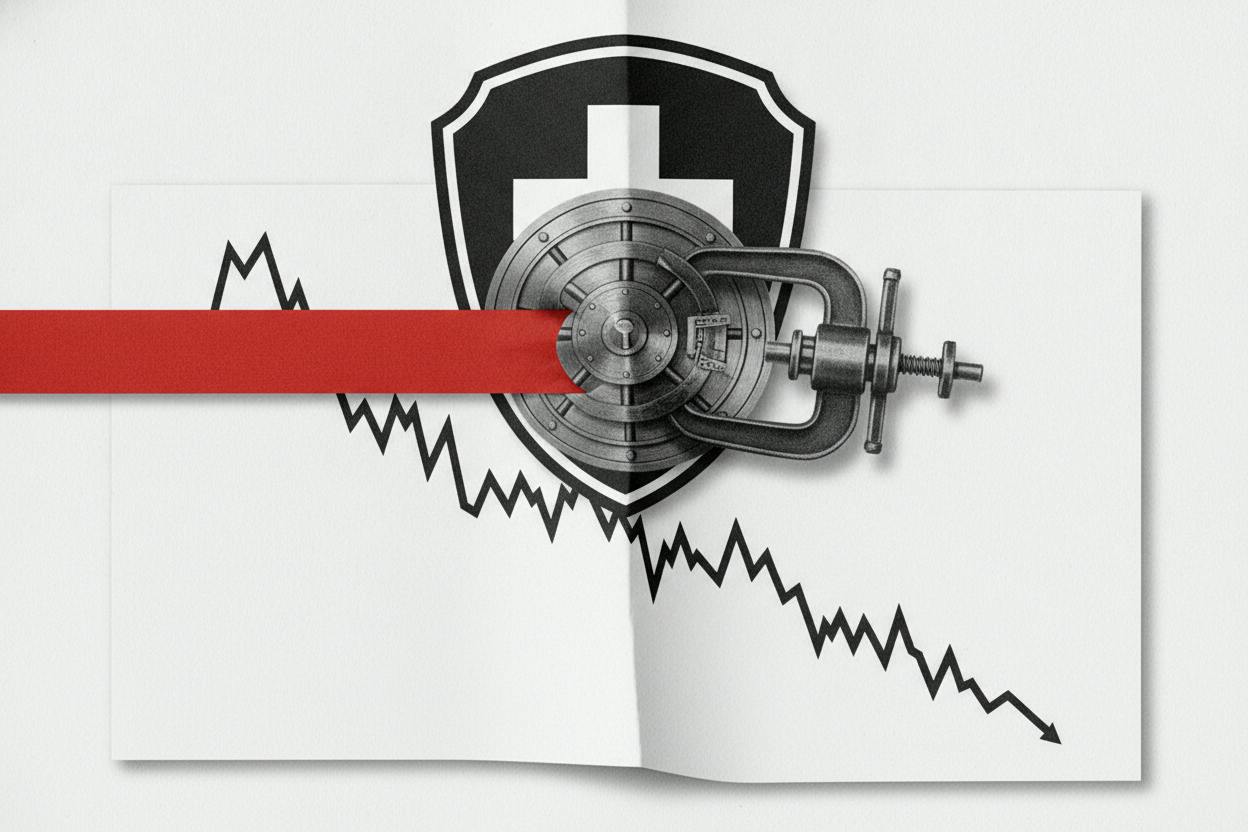
Swiss stocks slipped on Wednesday, with the Swiss Market Index (SMI) falling 0.47%. The decline came as two distinct forces collided: fresh talk of US tariffs on Swiss goods and a significant regulatory development for UBS, the country's largest bank.
For everyday investors, the move is a reminder that even a small, stable market like Switzerland can be buffeted by global trade policy and domestic banking regulation—sometimes on the same day.
US tariff plan targets Swiss exports
The tariff headline centers on a proposal from US officials to set tariffs of up to 15% on Swiss imports, with some exemptions. The move follows a Section 301 investigation—a US trade law tool that allows tariffs on goods from countries found to have unfair trade practices—into what Washington called structural overcapacity.
Switzerland is a small but highly export-oriented economy. Its multinationals—think pharmaceuticals, machinery, and precision instruments—rely heavily on selling goods abroad. A 15% tariff cap would raise the cost of Swiss products in the US market, potentially hitting corporate earnings for companies with significant American sales.
Interestingly, a recent survey from UBS and CFA Society Switzerland showed economic sentiment turning positive in November. That suggests domestic confidence is improving. But trade friction can still weigh on earnings expectations, especially for the large, globally exposed firms that dominate the SMI.
Investors have been watching tariff headlines closely across markets. Similar concerns have already pushed US stock futures lower as traders brace for a new wave of trade measures. The Swiss market's slip fits that broader pattern.
UBS gets regulatory sign-off, but with strings attached
Company-specific news pulled the market in different directions. UBS Group's shares fell 1.39% after FINMA, Switzerland's financial regulator, approved the bank's recovery plan for a crisis scenario. This was the first formal review of that plan since UBS took over Credit Suisse in a government-brokered rescue in 2023.
FINMA said UBS's "resolvability"—how cleanly authorities think they could stabilize or wind down the bank in a crisis—should improve in 2025 as integration progresses. That sounds positive. But the regulator also pushed UBS to be more conservative on assumed asset sales and to tighten internal triggers and escalation steps.
In plain terms, FINMA is saying: "Your plan is acceptable for now, but we want you to be more cautious about how quickly you could sell assets in a crisis, and we want clearer internal procedures to kick in earlier if trouble arises."
For investors, this is a mixed bag. On one hand, a regulator's sign-off on a crisis playbook can reduce the "disorderly failure" discount that investors often bake into a bank's stock. It suggests fewer nasty surprises if stress hits. On the other hand, stricter triggers and more cautious assumptions can force earlier action in a downturn, and they add ongoing compliance and operational costs.
Put together, UBS's valuation is being tugged in two directions: less tail risk as 2025 resolvability improves, but a longer-lasting regulatory overhang that could slow any rerating. This is a familiar dynamic for banks that have gone through major rescues—regulators tend to keep a tight leash for years.
The broader banking sector has been under scrutiny globally, and investors have been seeking safety in defensive stocks amid trade and rate uncertainty. UBS's situation is a reminder that bank stocks carry unique regulatory risks that other sectors don't.
What it means for investors
For those holding Swiss stocks or funds, Wednesday's move is a useful illustration of how multiple forces can hit a market at once. Tariffs threaten the earnings of export-heavy multinationals, while bank regulation can create both risks and reassurances for financial stocks.
It's also worth noting that the SMI's 0.47% decline is modest. Markets often shrug off single-day tariff headlines unless they signal a major shift in policy. But the UBS news is more structural—it sets the tone for how the bank will be regulated for years to come.
Investors should watch for further details on the tariff proposal, including which goods might be exempt and when the tariffs could take effect. They should also monitor UBS's integration progress and any future FINMA statements, as these will shape the bank's risk profile and cost base.
For now, the Swiss market is navigating a delicate balance: a resilient domestic economy, but external pressures from trade policy and the ongoing regulatory aftermath of the Credit Suisse rescue. As always, diversification and a long-term perspective remain key for everyday investors.