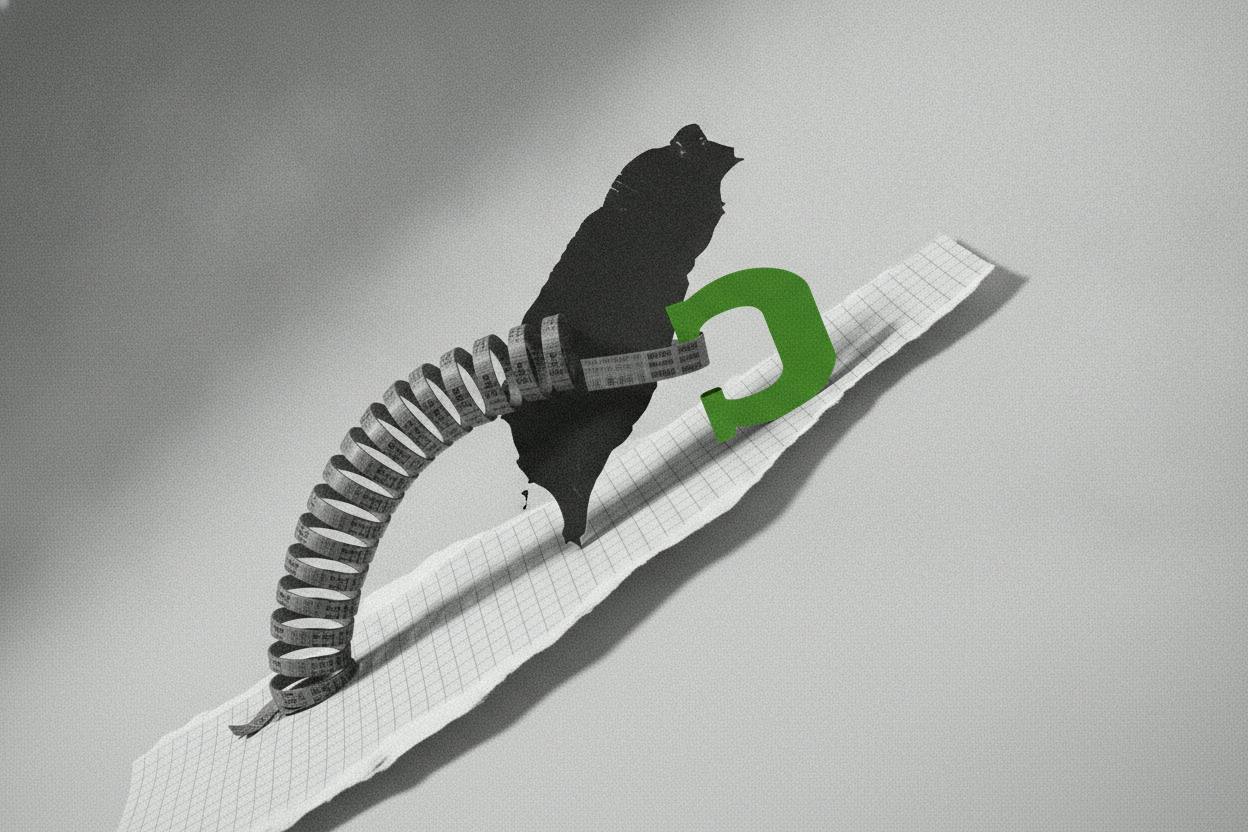
Taiwan's stock exchange has signaled it is ready to intervene after the island's benchmark index tumbled 6% in a single session. The Taiwan Stock Exchange (TWSE) said Monday that it may deploy market-stabilization tools if the decline looks "irrational" or if trading becomes unusually volatile. The announcement is a clear warning to investors that authorities are watching the selloff closely.
What the exchange said
The TWSE did not spell out exactly what steps it might take, but it said any action would be coordinated with regulators and would aim to keep trading orderly and protect investors. In practice, such measures can include curbs on short selling, adjustments to margin requirements, or even direct buying of shares by state-linked funds. The exchange also urged investors to be careful with leverage, such as margin financing, and said it would step up surveillance of trading activity. It also asked listed companies to disclose market-moving information promptly.
The timing is notable. Taiwan's market is heavily tied to global tech sentiment, because Taiwan Semiconductor Manufacturing Co (TSMC) is a major index heavyweight and a key supplier to AI chip leaders like Nvidia. When global risk appetite swings, Taiwan can feel it quickly. The 6% drop in the Taiwan Weighted Index (TWII) is a sharp move that can shake confidence, especially among retail investors who dominate trading volumes.
Why a 6% drop matters
A decline of that size is not just a bad day; it can trigger a cascade of forced selling. Many investors buy stocks on margin, borrowing money from brokers to increase their positions. When prices fall, brokers issue margin calls, demanding more collateral. If investors cannot meet those calls, their shares are sold automatically. That selling pushes prices down further, which can lead to more margin calls and more forced selling—a feedback loop that can turn a routine correction into a rout.
Exchange "stabilization" measures and tighter monitoring are typically meant to slow that spiral, giving the market time to reset without a wave of liquidations. Until that pressure eases, the TWII can remain jumpy, with larger, more sudden swings often showing up in heavyweight names like TSMC, where AI-related sentiment can shift fast.
What it means for investors
For everyday investors, the exchange's statement is a reminder that sharp market moves are not just about headlines—they can expose hidden risks. If you are using margin or other forms of leverage, a big drop can force you to sell at the worst possible time. Even if you do not trade on margin, you can be caught in the ripple effects of forced selling by others.
The exchange's willingness to step in may offer some comfort, but it is not a guarantee that the market will stop falling. Stabilization measures are designed to slow declines, not to reverse them. Investors should focus on the fundamentals of the companies they own and avoid making impulsive decisions based on short-term volatility.
This episode also underscores how interconnected global markets have become. Taiwan's tech-heavy index is a bellwether for the AI trade, and its moves can echo across the region. Recent headlines about global chip stocks slipping and new US AI chip rules hitting semiconductor ETFs show how sensitive the sector is to policy and sentiment shifts. Even a report about Nvidia's CEO—though unconfirmed—can rattle the trade.
For now, the key question is whether the selloff stabilizes on its own or whether the exchange has to act. Investors should watch for any official announcements from the TWSE or Taiwan's financial regulator. They should also keep an eye on margin financing data, which can signal how much leverage is still in the system. If margin balances remain high, the risk of further forced selling persists.
In the meantime, the exchange's message is clear: it is prepared to act to keep the market orderly. That may not stop the pain, but it could prevent a deeper crisis. For investors, the best defense is to understand your own risk tolerance and avoid over-leveraging in a volatile market.



