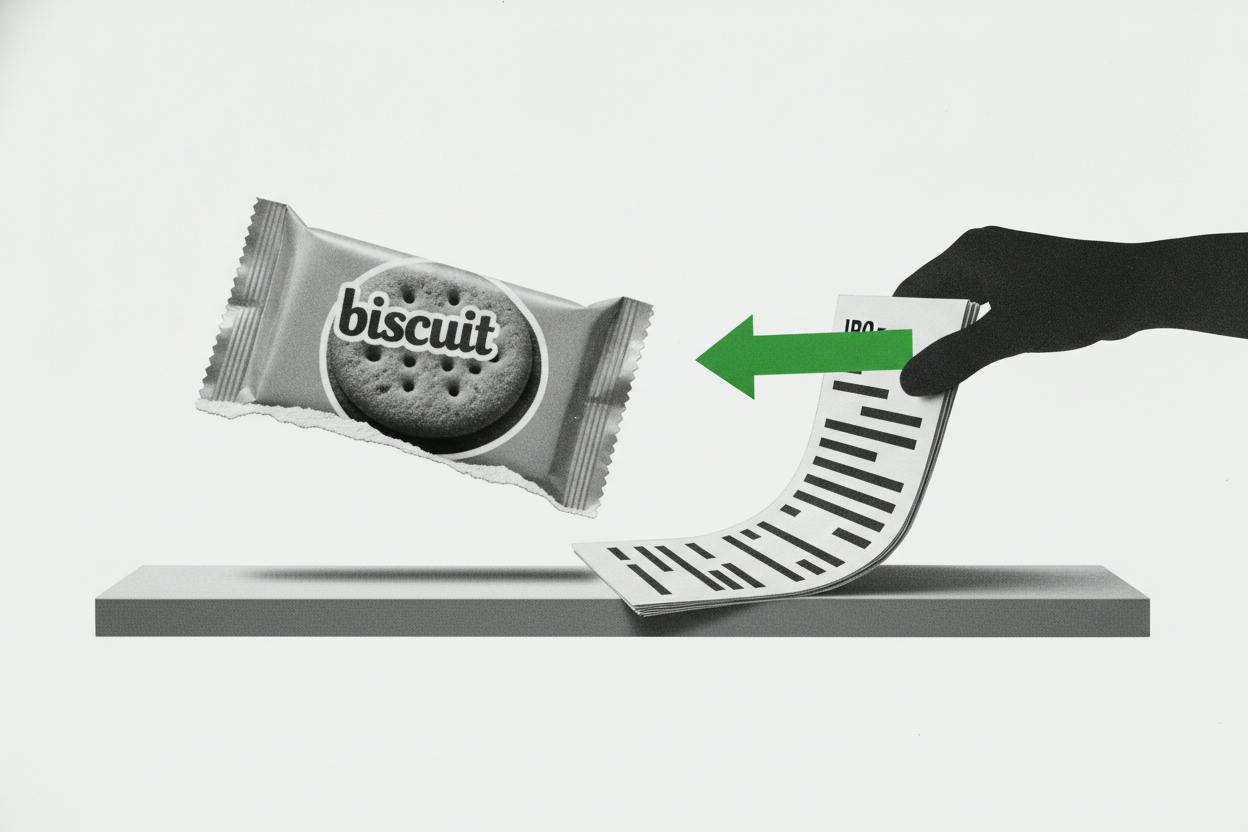
TaskUs, a Texas-based outsourcing company that handles customer support and back-office work for tech and digital firms, reported second-quarter revenue growth of 5% compared with the same period last year. That headline number might look modest, but the details behind it tell a more encouraging story: the company's largest client now accounts for just 20% of sales, down from a much higher share in previous years.
Morgan Stanley, in a research note, highlighted that the real narrative is not about a slowdown at that top client, but about TaskUs successfully filling the gap with other customers. The investment bank estimated that revenue came in about 4% above both its own model and Wall Street's consensus. More striking, growth excluding the largest client ran at roughly 15%, and the group of clients ranked No. 2 through No. 20 grew around 30% year over year.
That diversification is significant for a company that has historically relied heavily on a few big names. TaskUs, which went public in 2021, has long counted major social media and ride-hailing platforms among its customers. When one of those giants cuts back on spending, the impact can be severe. But the latest numbers suggest the company is finding new business elsewhere, softening the blow.
Why the client concentration matters
For investors, client concentration is a double-edged sword. A large anchor client can provide steady revenue and credibility, but it also creates vulnerability. If that client decides to bring work in-house, renegotiates prices, or simply slows down, the outsourcing firm feels it immediately. TaskUs has been working to reduce that risk, and the second-quarter data suggests the strategy is paying off.
The 20% figure is a key threshold. Many investors and analysts watch this metric closely because a client that accounts for more than 10% of revenue must be disclosed in regulatory filings, and a drop below 20% can signal that the company is less dependent on any single relationship. Morgan Stanley's note suggests that the mix shift is a positive development, even as the overall growth rate remains in the single digits.
The broader context is that the outsourcing industry is under pressure from two forces: automation and cost-cutting by clients. Companies are increasingly using AI and software to handle routine customer service tasks, which reduces the volume of work sent to human agents. At the same time, many businesses are tightening budgets, looking for cheaper ways to operate. TaskUs management has acknowledged these headwinds, and the fact that it still managed to grow revenue in this environment is notable.
What it means for investors
Morgan Stanley raised its price target on TaskUs to $7 from $6, a modest increase but one that reflects growing confidence in the company's ability to navigate a tough market. The new target still implies upside from recent trading levels, though it is far below the stock's peak of over $40 in 2021. For everyday investors, the key takeaway is that TaskUs is not just a one-client story anymore.
The strong growth from mid-tier clients suggests that the company's sales force is winning new deals, and that its services remain in demand even as the largest accounts shrink. That is a healthier sign than simply relying on a single big spender. However, investors should also note that the overall growth rate is still modest, and the company faces structural challenges from automation that could limit long-term expansion.
For those watching the broader market, this kind of update is a reminder that even companies with a concentrated customer base can evolve. The move by Morgan Stanley to lift its price target is a vote of confidence, but it is not a recommendation to buy. As always, investors should consider their own risk tolerance and portfolio goals before making any decisions.
TaskUs's next earnings report will be closely watched to see if the diversification trend continues. If the No. 2 through No. 20 clients keep growing at a 30% clip, the company could eventually return to double-digit revenue growth, which would likely be well received by the market. For now, the second-quarter numbers offer a cautiously optimistic picture.