TD SYNNEX reported a strong fiscal second quarter, driven by its Hyve custom server business, which is winning new projects from big cloud and AI customers. Morgan Stanley called the results a “blowout” and highlighted that Hyve's revenue growth is accelerating as it gains market share. To keep up with demand, the company plans to expand its manufacturing capacity by more than 50%, adding 1 million square feet of production space.
What Is Hyve and Why Does It Matter?
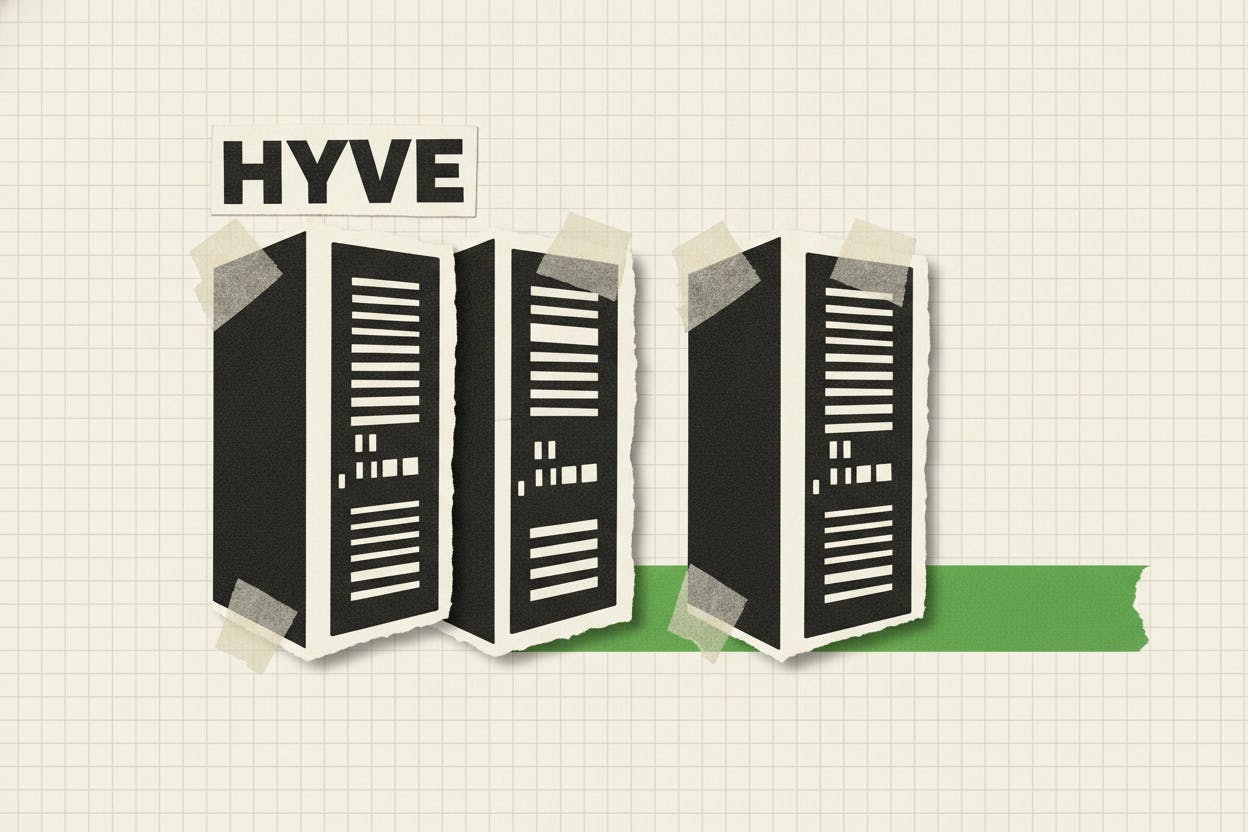
Hyve is TD SYNNEX's high-performance server unit that builds custom hardware for large-scale cloud computing and artificial intelligence workloads. Unlike off-the-shelf servers, these are tailored to specific customer needs, often for major tech companies. When Hyve wins a new “program,” it can quickly translate into significant revenue growth because these projects involve large, recurring orders.
Morgan Stanley noted that Hyve's faster growth indicates it is landing more of these projects, which is a positive sign for the company's future earnings. The planned capacity expansion—adding 1 million square feet—will allow Hyve to handle even larger volumes, potentially boosting profitability as fixed costs are spread over more units.
Core Distribution Business Also Performing Well
Beyond Hyve, TD SYNNEX's core distribution business—which supplies IT products to resellers and retailers—is also growing faster than the overall market in North America and Europe. This is supported by new customer and vendor wins. Additionally, the company may benefit from a shift in the competitive landscape: Dell Technologies is ending a North American distribution contract with Arrow Electronics, which could open up opportunities for TD SYNNEX to capture more business.
Morgan Stanley raised its earnings-per-share estimates for fiscal 2026 and 2027 to $18.85 and $23.39, respectively, and described the company's near-term guidance as conservative. This suggests that analysts see room for upside if the expansion and market share gains continue.
What It Means for Investors
For everyday investors, the key takeaway is that TD SYNNEX is investing heavily in its Hyve unit to capture a larger slice of the growing AI and cloud infrastructure market. A 50% capacity expansion is a bold move that can improve margins if demand holds up, because fixed costs like factory rent and equipment are spread across more servers. However, it also introduces risk: if customer orders slow down or new programs are delayed, the company could be left with underused capacity that still needs to be paid for. That could tie up cash in inventory and hurt profitability.
This dynamic makes TD SYNNEX's earnings more sensitive to the timing of Hyve's large customer programs. While the steady distribution business provides a stable base, the real swing factor for fiscal 2026-27 will be how quickly Hyve fills its new factory space. Investors should watch for updates on new program wins and capacity utilization rates in coming quarters.
In the broader context, TD SYNNEX's results come amid a mixed environment for tech stocks, with recent market moves influenced by trade data and oil price fluctuations. For more on those trends, see our coverage of tech stocks sliding on a widening US trade deficit and oil prices tumbling below $70.
Overall, TD SYNNEX's strong quarter and ambitious expansion plans signal confidence in the AI-driven demand for custom servers. But as with any growth story, the execution will be key. The company's ability to convert its new capacity into higher earnings will determine whether Morgan Stanley's bullish estimates prove accurate.