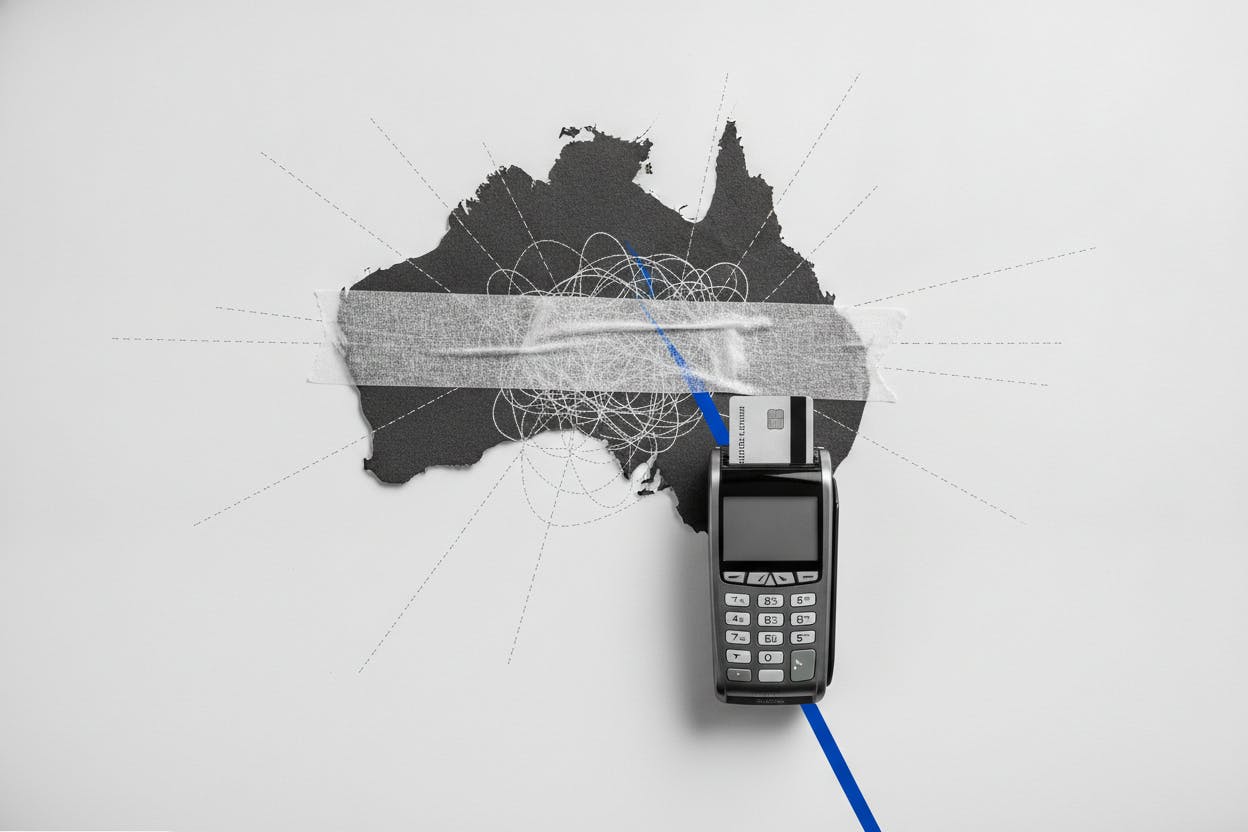
Australia's largest telecommunications provider, Telstra, experienced a significant network outage on Wednesday that disrupted mobile calls and data services across the country. The failure quickly cascaded into broader disruptions, affecting taxi payments and forcing the suspension of some regional train services in Victoria.
Telstra confirmed it was investigating the issue, while the Australian government acknowledged that the outage impacted 'a large number of mobile calls and connections.' The company did not immediately provide a cause or a firm timeline for restoration, leaving customers and businesses scrambling for workarounds.
Domino Effect on Everyday Services
The outage's impact extended far beyond individual phone calls. Australian media reported that taxi payment platforms went down, leaving drivers unable to process card transactions and missing fares. In a separate blow, some Melbourne-to-regional train services were suspended because staff could not rely on communications, with the operator advising passengers to defer travel where possible.
This incident highlights a growing vulnerability in modern economies: many everyday services assume an always-on data link. When that link fails, the digital layer that enables seamless transactions and operations can stall the physical world. For businesses, the uncertainty of an outage—without a clear restoration timeline—turns a brief annoyance into a broader operational risk.
What It Means for Investors
For everyday investors, the Telstra outage serves as a reminder of the hidden dependencies in the digital economy. Tap-to-pay feels instant, but many card terminals require a live mobile data connection to send an authorization request and receive approval. If that link fails—and offline payments are often limited to reduce fraud—the card, terminal, and bank account can all be functional, yet the transaction cannot complete.
This translates into real costs: passengers get stuck at checkout, while workers like taxi drivers lose fares when payment and dispatch systems go offline. When communications are central to safety, operators may pause services altogether, as happened with the regional trains until reliable links were restored.
Investors should consider how companies they own manage such risks. Telstra's stock may face short-term pressure from customer dissatisfaction and potential regulatory scrutiny, but the broader lesson is about the resilience of digital infrastructure. Companies that rely heavily on mobile connectivity—such as payment processors, ride-hailing apps, and logistics firms—could see operational hiccups during similar outages.
This event also ties into broader economic trends. Australian consumer confidence has been dipping amid economic pessimism, and disruptions like this can further dampen spending. Meanwhile, Westpac's card tracker has shown consumer spending losing steam, suggesting that any friction in payment systems could exacerbate the slowdown.
Looking Ahead
Telstra's investigation into the outage will be closely watched. The company's ability to restore services quickly and prevent future incidents will be key to maintaining customer trust. For investors, the episode underscores the importance of network reliability in a world where digital connectivity is the backbone of commerce.
As Australia's mining states continue to prop up the economy while consumer spending stalls, disruptions like this highlight the fragility of the digital layer that supports daily transactions. The outage may also prompt regulators to examine the resilience of critical telecommunications infrastructure, potentially leading to new requirements for backup systems and redundancy.
In the meantime, the incident serves as a practical lesson: even in a cashless society, the ability to pay depends on a working signal. For investors, it's a reminder to look beyond the surface of digital convenience and consider the underlying infrastructure that makes it all possible.