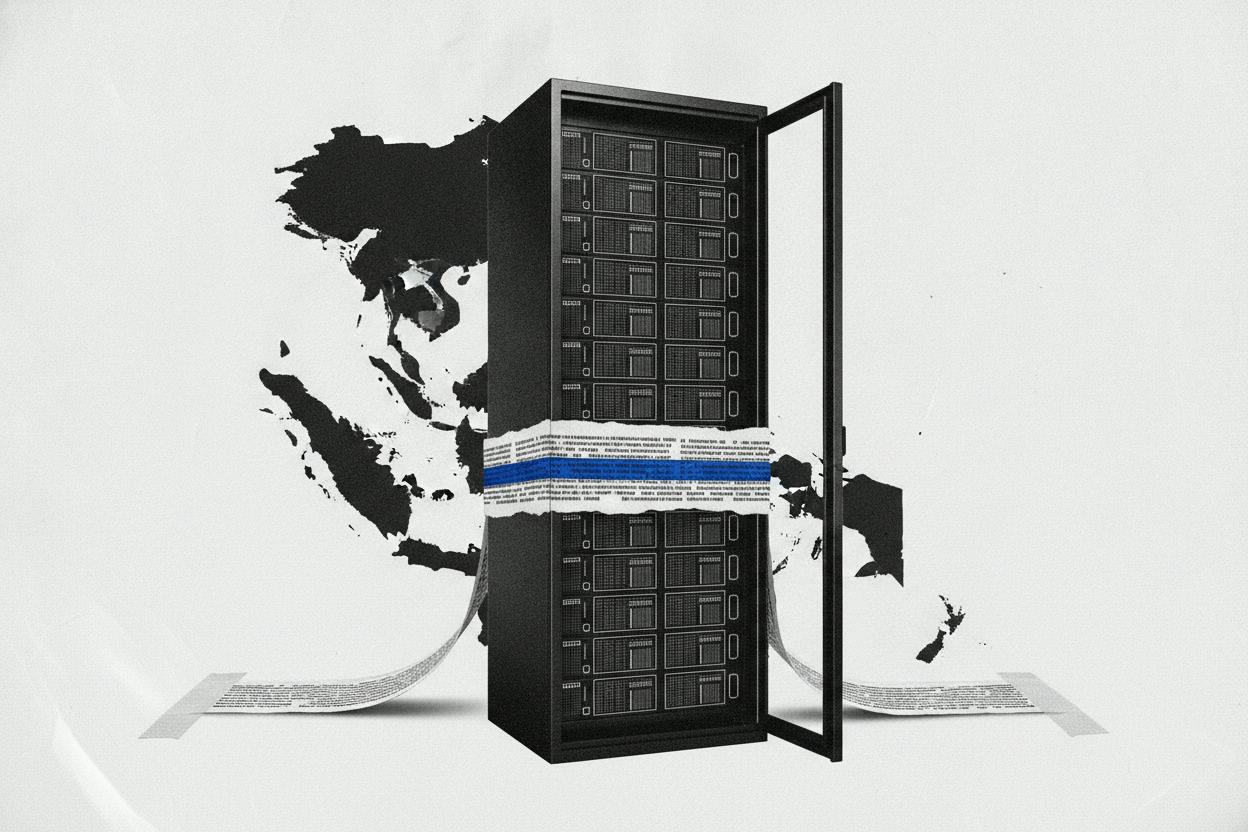
Chinese tech giant Tencent has reportedly struck a five-year deal with Oracle to lease data-center capacity across Southeast Asia, a move that gives it access to roughly 100,000 advanced AI chips that are hard to obtain inside China. The agreement, valued at about $7 billion, was first reported by the Financial Times.
Under the reported terms, Oracle would provide data-center capacity bundled with high-end chips, and Tencent would pay over multiple years, including an estimated 30% upfront. This structure turns what is often on-demand, pay-as-you-go cloud usage into a committed contract, which can make Oracle's cloud revenue look steadier quarter to quarter.
Why the cross-border angle matters
The deal underscores how US export controls have reshaped the global AI landscape. The most advanced chips, such as those made by Nvidia, are largely off-limits for China-based buyers without special licenses. That has pushed some Chinese firms to look overseas for the computing power needed to train and run large AI models.
By leasing capacity in Southeast Asia, Tencent can effectively access the hardware it needs without directly importing the chips into China. This workaround is not unique to Tencent; other Chinese companies have reportedly explored similar arrangements, though the scale of this reported deal is notable.
If such arrangements become more common, they could accelerate data-center construction and power demand in hubs like Southeast Asia. Countries in the region, including Singapore and Malaysia, have already seen a surge in data-center investment from global tech firms. The shift could also make chip access a bigger factor in where AI products are developed and launched, as companies may choose to base operations closer to the hardware they rely on.
What it means for Oracle
For Oracle, a multi-year, multi-billion-dollar lease is a clear signal of demand. The customer is pre-committing budget, not just testing a new service. That improves revenue visibility and can help Oracle plan its cloud infrastructure investments with more confidence.
But the deal also raises the stakes on spending. To deliver on the contract, Oracle may need to reserve chips, expand data centers, and keep those facilities well-used so that the returns justify the investment. Investors will likely watch whether deals like this show up as a broader pattern of signed commitments, and whether Oracle's capital spending rises in the region as a result.
Oracle has been expanding its cloud footprint globally, and Southeast Asia is a key growth area. The company has announced plans for multiple data centers in the region, and this reported deal could accelerate that buildout.
What it means for investors
For everyday investors, this deal is a reminder that AI's growth is not just about the companies making the chips, but also about the infrastructure that powers them. Cloud providers like Oracle, Microsoft, and Amazon are spending heavily to meet demand for AI computing, and multi-year leases like this one provide a more predictable revenue stream.
At the same time, the deal highlights the geopolitical tensions that can affect tech supply chains. US export controls are designed to limit China's access to advanced technology, but companies are finding ways to work around them. That could lead to more regulatory scrutiny, and it could also shift where AI development happens globally.
For those invested in tech stocks, the key takeaway is that AI demand remains strong, but the path to meeting it is becoming more complex. Companies that can secure access to chips and data-center capacity, whether through direct ownership or leasing, may be better positioned to benefit from the AI boom. However, the costs of that access are rising, and investors should watch how companies manage their capital spending.
Related coverage: a startup raising funds to improve AI chip performance and the growing concentration of AI giants in the stock market.
As the AI race intensifies, deals like this one are likely to become more common. Whether they benefit shareholders depends on how well companies execute and whether the demand for AI computing continues to grow as expected.