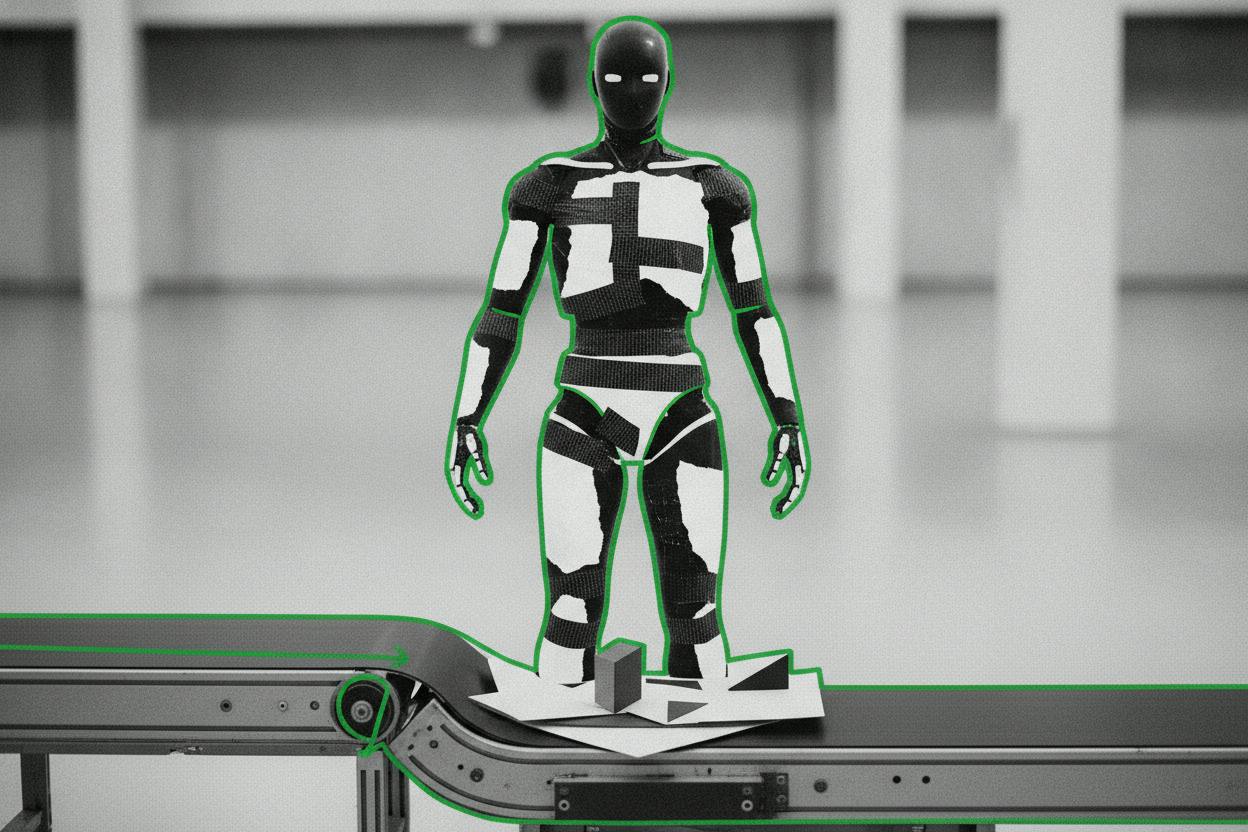
Tesla has officially started early production of its Optimus humanoid robot at its Fremont factory, but CEO Elon Musk cautioned that full-scale production remains at least a year off. The news, delivered during an analyst call on Wednesday, sent Tesla shares down 5.5% in premarket trading on Thursday, as investors digested the timeline and its implications for the company's ambitious robot ambitions.
What's happening with Optimus?
Musk described Optimus as a “radically new product” that will ramp up slowly, with a bumpy start before scale kicks in. He said Tesla has moved beyond prototypes, claiming that “the vast majority” of a production line designed for up to one million units a year is already installed. However, parts of the robot's design are still changing, which Musk said is why it may take “at least a year, maybe a little longer” to reach an annualized run rate of 20,000 units a week.
This is a significant shift from earlier expectations, when Musk had hinted at a faster path to volume production. The delay highlights the challenges of moving from a handful of hand-built prototypes to a manufacturing process that can churn out thousands of units reliably.
Why design changes matter
For a product like Optimus, frequent design tweaks are more than just a minor inconvenience. Each revision can force factories to pause, retool, and re-test processes, delaying the point when volume manufacturing becomes predictable. In manufacturing, early production runs often suffer from low “yield”—the share of units that pass inspection—leading to higher scrap and rework. As designs stabilize, yields improve, costs fall, and production becomes more efficient.
But with the design still in flux, Tesla may struggle to achieve the cost reductions that would make Optimus a meaningful contributor to its gross margin. Even with a large factory footprint in place, the robot's profitability could remain elusive until the design freezes and the ramp looks repeatable.
What this means for investors
For investors, Optimus's timeline risk is really a manufacturing risk. The stock's reaction on Thursday reflects that. When a company like Tesla talks about a product that could open up a massive new market, the market often prices in the potential upside. But if that upside keeps getting pushed further out, the stock can be vulnerable to sharp moves.
Optimus is part of Tesla's broader push into robotics and AI, which also includes its plans for a steering wheel-free Cybercab and other autonomous vehicle efforts. These bets are expensive, and rising costs from AI and robotaxi initiatives have already weighed on Tesla's financials. The Optimus delay adds another layer of uncertainty to Tesla's growth story.
It's worth noting that Tesla isn't the only company chasing humanoid robots. Startups like Noetix are also entering the space, and Nvidia is working with partners to standardize humanoid robot research. This competition means Tesla can't afford to fall too far behind, but it also means the market is still young and unproven.
What to watch next
Investors will be watching for signs that Tesla is making progress on the design front. Any announcements about design freezes, supplier contracts, or successful test runs could be positive catalysts. Conversely, further delays or technical setbacks could push the stock down more.
For now, Optimus remains a story of potential rather than proven results. The robot could eventually transform Tesla's business, but as Musk himself acknowledged, the path to full production is long and uncertain. For everyday investors, the takeaway is to treat Optimus as speculative upside—something that could pay off big if it works, but that shouldn't be relied on for near-term earnings.
As always, it's important to remember that investing in individual stocks carries risk, and Tesla's high valuation means its stock can be especially sensitive to news like this. Diversification and a long-term perspective remain key.