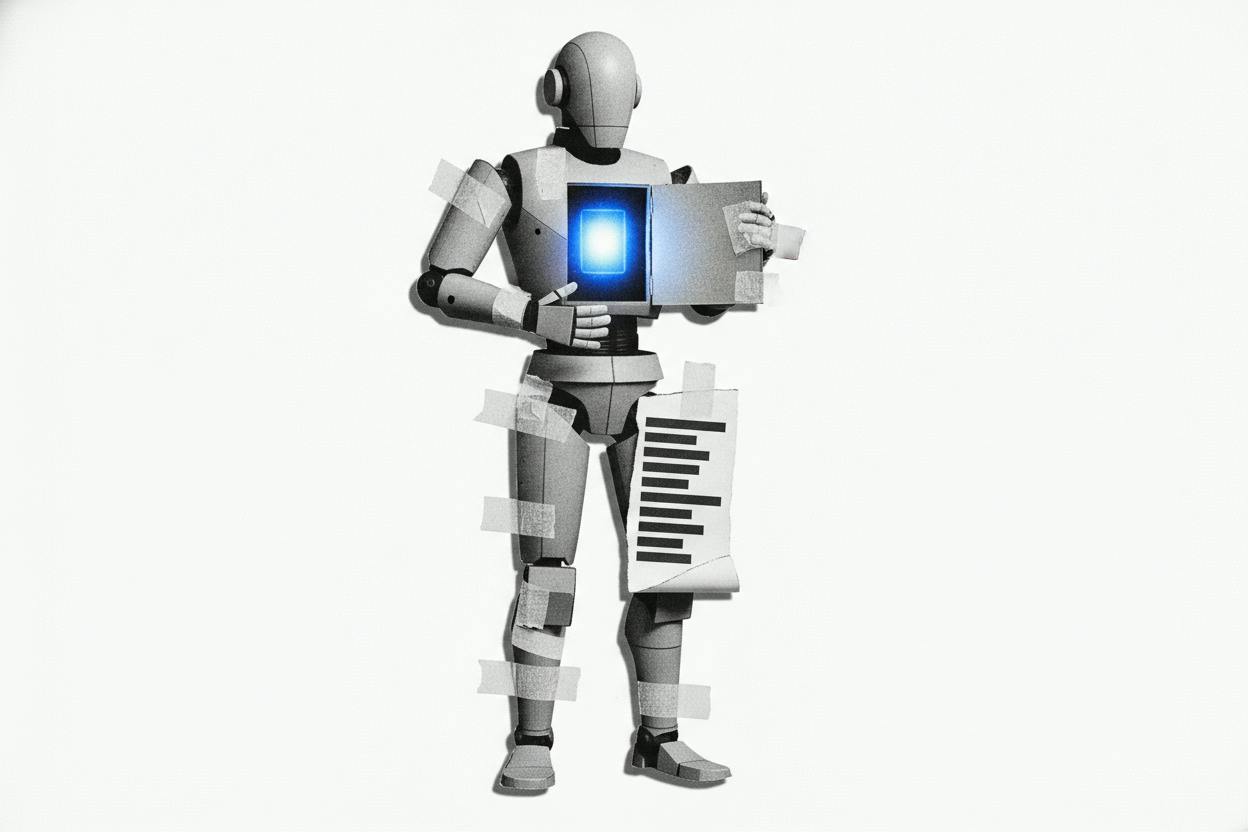
German robotics firm Agile Robots has announced a partnership with Nvidia to produce humanoid robots that come pre-configured with Nvidia's hardware and software. The company says it plans to build 1,000 to 2,000 units next year, offering researchers a ready-to-use platform that could cut months off their lab setup time.
The Munich-based industrial robot maker said production of its Agile ONE S and ONE SN models will begin by the end of this year. The ONE SN—the "N" stands for Nvidia—will arrive with key components already integrated, including cameras, dexterous hands, Nvidia's Jetson Thor onboard computer, and access to Nvidia's GR00T AI model. That means researchers won't have to spend weeks or months making different parts work together.
Why this matters for robotics research
Humanoid robot research is still a young and fragmented field. Labs often build their own robots from scratch or piece together components from various suppliers, which is time-consuming and error-prone. A standardized, pre-integrated platform could let researchers focus on developing algorithms and applications rather than wrestling with hardware integration.
Nvidia has been pushing into robotics with its GR00T model, which is designed to help robots learn tasks through imitation and reinforcement learning. By partnering with Agile Robots, Nvidia is trying to make its technology the default choice for humanoid robot development, much like it did with GPUs for AI training.
Agile Robots is not a household name, but it has been active in industrial automation, building robots for tasks like assembly and inspection. The company's move into humanoid robots signals a broader trend: more firms are betting that humanoid robots will eventually work alongside humans in factories, warehouses, and other settings.
What it means for investors
For everyday investors, this partnership is a reminder that Nvidia's ambitions extend beyond data centers and AI chips. The company is positioning itself as a key supplier for the next wave of automation, and its work with Siemens on factory floors shows it's already targeting industrial applications.
Nvidia's push into robotics is part of a broader strategy to diversify its revenue streams. The company has also been locking in chipmaking capacity and investing in AI cloud firms, suggesting it sees long-term growth beyond its core GPU business.
For Agile Robots, the partnership could be a major boost. If the company can deliver on its production targets, it could become a leading supplier of humanoid robots for research labs. But it's still early days—the robots are just entering production, and it's unclear how many orders the company has secured.
Risks and challenges
Humanoid robots are complex and expensive to build. Even with Nvidia's components, getting them to work reliably in real-world environments is a challenge. Researchers may also be hesitant to adopt a proprietary platform, especially if they're used to open-source alternatives.
There's also the question of demand. While interest in humanoid robots has grown, the market is still nascent. Companies like Tesla and Boston Dynamics are developing their own robots, and it's not clear how quickly they'll be adopted outside of research settings.
For investors, the key takeaway is that Nvidia is making a strategic bet on robotics as a future growth area. The company's China-bound GPU orders show strong demand for its AI chips, but robotics could open up a new market. However, as with any emerging technology, there's no guarantee of success.
What to watch next
Investors should keep an eye on whether Agile Robots meets its production targets and whether other robotics firms follow suit with similar Nvidia-powered platforms. If the partnership proves successful, it could accelerate the adoption of humanoid robots and create new opportunities for companies across the supply chain.
For now, the announcement is a positive sign for Nvidia's robotics ambitions, but it's just one piece of a larger puzzle. The real test will be whether these robots can deliver on their promise in real-world applications.