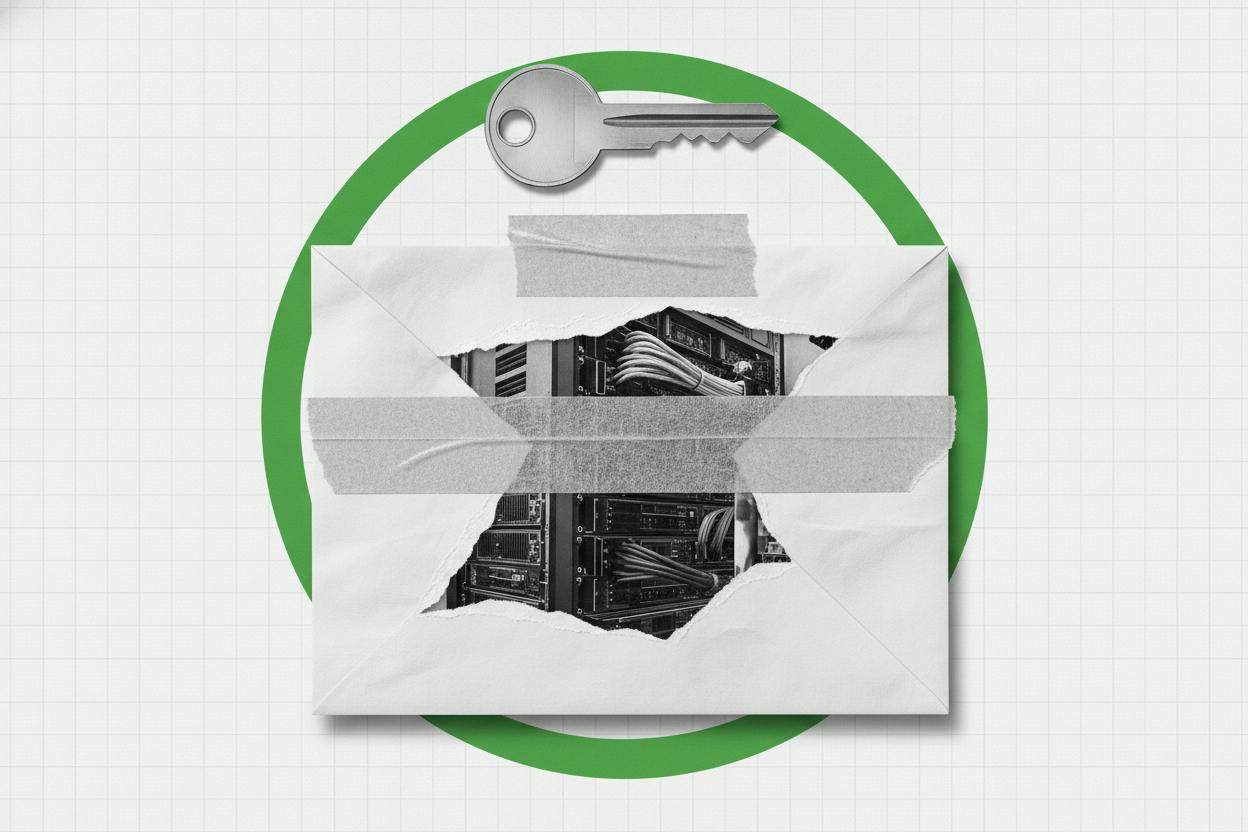
At Nvidia's GTC Berlin conference, CoreWeave unveiled a new security framework called "Zero Trust AI," along with packaged templates for robotics and self-driving projects. The AI-focused cloud provider also said it plans to add confidential computing to its roadmap in the fourth quarter.
CoreWeave is one of the biggest players in the fast-growing market for cloud services built around Nvidia's graphics processing units (GPUs), which are the workhorses behind most artificial intelligence training and inference. The company rents out access to these powerful chips to businesses that want to build and run AI models without buying their own hardware.
But as more companies hand over sensitive data to third-party cloud providers, concerns about privacy and security have become a major hurdle. Many potential customers worry that their proprietary training data, customer information, or model weights could be exposed or misused. CoreWeave's new Zero Trust AI framework is designed to address those fears directly.
What is Zero Trust AI?
Zero Trust is a security concept that assumes no user or system is trusted by default, even if they are inside a network. In the context of CoreWeave's offering, it means customers retain control over their encryption keys and can grant the company access only to specific servers for specific tasks. CoreWeave says it will not use customer prompts, training data, or model weights to train its own models.
This is a significant departure from how some other AI cloud providers operate, where the provider may have broader access to customer data. By letting customers keep their keys, CoreWeave is trying to position itself as a more secure alternative for enterprises that are cautious about moving sensitive workloads to the cloud.
The company also introduced ready-made templates for robotics and self-driving projects. These templates are essentially pre-configured environments that let developers quickly spin up the software stack needed for these complex applications, which often require massive computing power for simulation and model training. This move aligns with Nvidia's broader push into robotics and autonomous vehicles, as seen in its recent partnerships with companies like Agile Robots to standardize humanoid robot research and Einride to test its Alpamayo AI model in self-driving trucks.
Confidential computing on the horizon
Looking ahead, CoreWeave said confidential computing will be added to its roadmap in the fourth quarter. Confidential computing is a technology that encrypts data while it is being processed, not just when it is stored or transmitted. This means that even if a malicious actor gains access to the server, they cannot read the data because it is decrypted only inside a secure hardware enclave.
For customers, this adds another layer of protection. It means that even CoreWeave's own administrators would not be able to see the raw data, because the encryption keys are held by the customer and the hardware is designed to prevent unauthorized access. This could be a game-changer for industries with strict regulatory requirements, such as healthcare, finance, and government.
CoreWeave's announcement comes at a time when the demand for AI cloud services is exploding, but so is competition. Major cloud providers like Amazon Web Services, Microsoft Azure, and Google Cloud are all investing heavily in AI infrastructure, and specialized players like CoreWeave are trying to carve out a niche by offering high-performance Nvidia-based clusters and now, stronger security guarantees.
What it means for investors
For everyday investors, this news is a reminder that the AI boom is not just about chipmakers like Nvidia. The companies that build and operate the data centers where those chips live are also critical pieces of the puzzle. CoreWeave, which has been growing rapidly, is positioning itself to capture more of that market by addressing one of the biggest barriers to adoption: trust.
If CoreWeave can convince enterprises that their data is safe, it could accelerate the shift of AI workloads to the cloud, benefiting not just CoreWeave but also Nvidia, which supplies the underlying hardware. Investors have already shown interest in this space, with Nvidia reportedly in talks to invest in another AI cloud firm, Firmus, and banks' exposure to CoreWeave being a topic of discussion among analysts.
However, investors should also be aware of the risks. The AI cloud market is highly competitive, and margins can be thin. CoreWeave's heavy reliance on Nvidia hardware means it is exposed to any supply chain disruptions or pricing changes. Additionally, the promise of Zero Trust AI and confidential computing is only as good as its implementation. If there are any security breaches or if the technology fails to deliver on its promises, it could damage the company's reputation and slow adoption.
For now, the announcement is a positive signal that CoreWeave is listening to customer concerns and investing in solutions that could make AI cloud services more attractive to a wider range of businesses. Investors will be watching to see if these security features translate into new customer wins and revenue growth in the coming quarters.