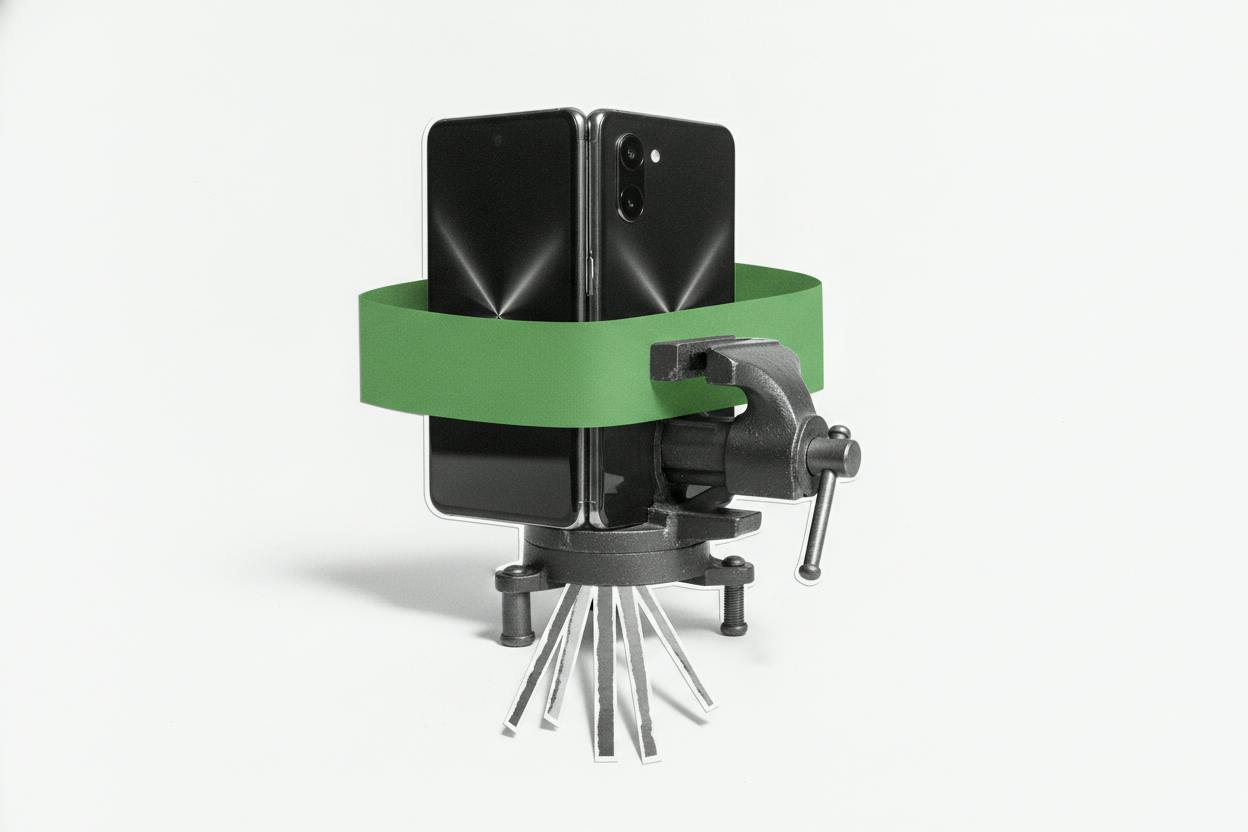
Apple's latest gamble on a foldable design is off to a hot start. The company said online pre-orders for its new folding iPhone Duo sold out within minutes, and that walk-in availability when the device hits stores on Friday will be limited and vary by country. Some customers who ordered online are already seeing delivery dates pushed into January.
The quick sellout is a clear sign of strong demand for Apple's first foldable phone, a category the company has been slower to enter than rivals such as Samsung. But it also highlights the supply challenges that have often dogged new Apple products, especially those with complex hinges and flexible displays.
What we know about the launch
Apple did not disclose how many units were available for pre-order, but the fact that they vanished in minutes suggests initial supply is tight. The company said Friday's in-store stock will be "limited" and will vary by country, meaning some shoppers may find the device on shelves while others will be turned away.
For customers who missed the online window, the options are to try their luck at a physical store on launch day or wait for the next wave of online orders. Apple's website currently shows delivery estimates stretching into January for many configurations, a sign that production is not keeping pace with demand.
Why this matters for investors
For everyday investors, the sellout is a positive signal for Apple's product cycle. A new device that sells out quickly can boost revenue and reinforce the company's ability to command premium prices. The folding iPhone Duo is expected to carry a hefty price tag, and strong demand could help Apple's services and accessories ecosystem as well.
However, the limited supply also raises questions about Apple's supply chain. The company has been working to diversify its manufacturing, including moving some production to the US, but foldable displays and hinges remain challenging to produce at scale. If Apple cannot ramp up supply quickly, it risks losing sales to competitors and frustrating customers.
Investors will be watching Apple's next earnings report for clues on how many units it actually shipped and whether the Duo's success can offset any weakness in other product lines. The company's stock has been under pressure recently amid concerns about slowing iPhone sales and regulatory scrutiny, including a UK watchdog's push to open up tap-to-pay.
What to watch next
The key question is whether Apple can increase production quickly. Historically, Apple has often faced supply constraints for new products, but it usually manages to catch up within a few months. If the Duo remains hard to find through the holiday season, that could be a sign of a more serious bottleneck.
Another factor is competition. Samsung and other Android makers have been selling foldables for years, and Apple's entry could either grow the market or simply take share from rivals. Early indications suggest the Duo is attracting both Apple loyalists and curious newcomers.
For investors, the sellout is a reminder that Apple still has the power to generate buzz and drive demand. But it also underscores the risks of relying on a single product launch. The company's future growth will depend on its ability to innovate and execute, not just on hype.
As always, it's wise to keep an eye on the broader tech sector. The recent rally in Asian markets and Nvidia's supply challenges show that supply chain issues are a recurring theme across the industry. Apple's ability to manage its own supply chain will be a key factor in how the Duo performs financially.
The bottom line
The folding iPhone Duo selling out online is a good sign for Apple, but it's not a guarantee of long-term success. Investors should watch for updates on production, delivery times, and customer reviews. If the device lives up to the hype, it could be a meaningful driver of Apple's revenue. If not, the sellout may just be a temporary blip.
For now, the message is clear: demand is strong, but supply is tight. That's a problem Apple would rather have than the opposite, but it's still a problem to solve.