Tesla delivered 486,532 vehicles in the July–September quarter, beating analyst expectations as stronger demand in Europe helped offset a softer sales environment in the US and China. The figure topped the 456,896 average estimate compiled by Visible Alpha, according to Reuters.
The delivery number is the closest thing the electric vehicle maker has to a monthly sales report, and it plays an outsized role in how investors gauge demand and near-term cash generation. But the headline beat came with a twist: Tesla produced only 464,391 vehicles during the quarter, meaning it shipped more cars than it built. That implies the company drew down some of its existing inventory to meet demand.
Europe picks up the slack
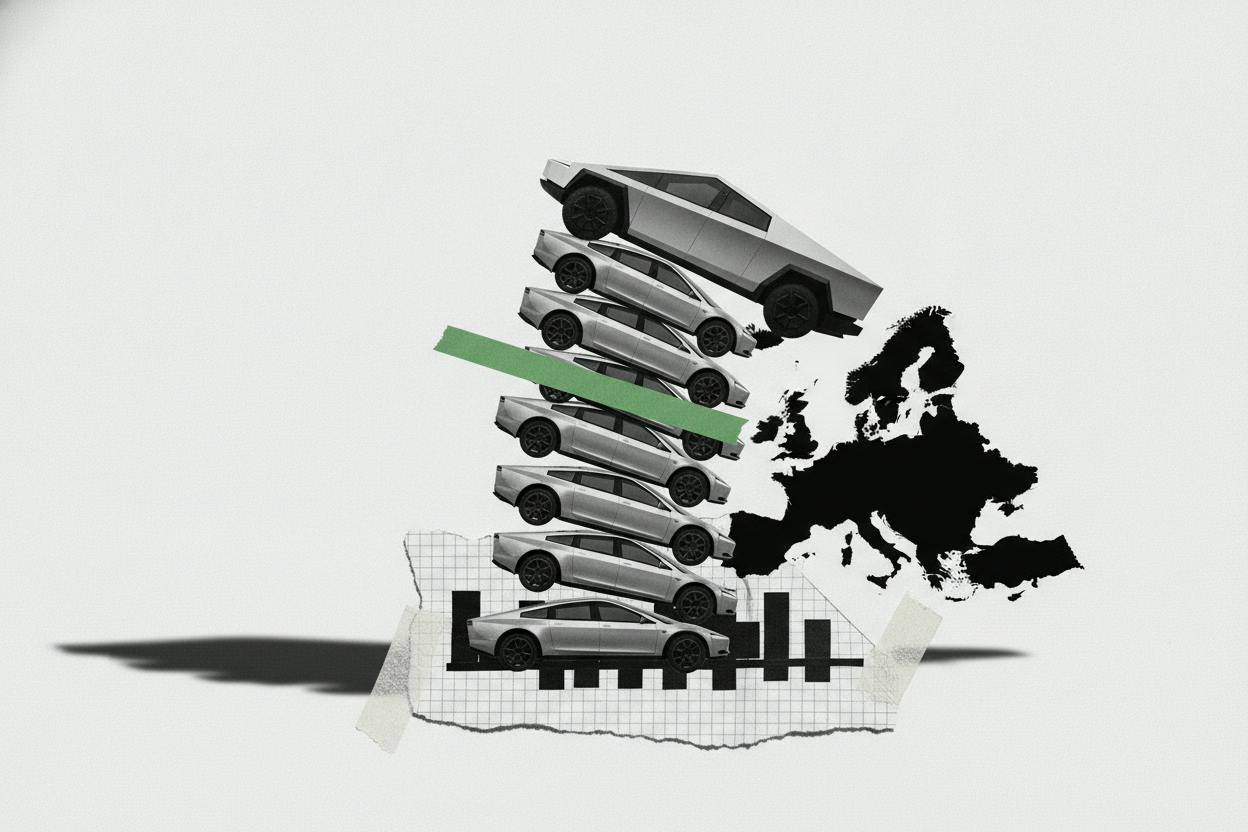
Europe appears to have done much of the heavy lifting this quarter. Reuters noted that EU registrations of Tesla vehicles were up about two-thirds through August, following last year's slump. Exports from Tesla's Shanghai plant nearly doubled in July and August, pointing to strong overseas demand.
That regional strength helped offset a tougher backdrop in the US and China, where competition in the EV market has intensified and consumer demand has shown signs of cooling. Tesla has responded with price cuts and incentives in various markets, but the latest delivery data suggests the strategy is at least helping to move metal.
The European rebound is notable because it follows a period of weakness in the region. Last year, Tesla's European sales struggled, partly due to model transitions and price competition from local automakers. The recent pickup, led by countries like Portugal and France, suggests the company's newer models and pricing adjustments are resonating with European buyers.
What the delivery beat really means
When deliveries exceed production, it usually signals an inventory drawdown. That can be a positive for near-term cash conversion, because fewer finished cars are sitting on lots waiting to be sold. It can also reduce the need for end-of-quarter incentives used to clear stock, which can pressure margins.
But the gap also makes the delivery beat trickier to interpret. If the beat was powered by clearing older inventory, investors will want to see whether demand is strong enough to keep deliveries high in the coming quarters without running inventories too low. That scrutiny is sharper for Tesla because the stock's valuation debate increasingly depends on how quickly the company can turn its AI, robotaxi, and humanoid-robot projects into meaningful revenue, rather than on the car business alone.
Indeed, the bigger argument around Tesla's roughly $1.40 trillion valuation is less about this quarter's car math and more about what comes after it. CEO Elon Musk has repeatedly talked up the company's ambitions in artificial intelligence, a robotaxi service, and a humanoid robot. Reuters noted that Tesla's robotaxi plans remain small compared with Alphabet's Waymo, which has been operating a commercial autonomous ride-hailing service for years.
What it means for investors
For everyday investors, the delivery beat is a reminder that Tesla's core auto business still matters, even as the company tries to reposition itself as an AI and robotics play. The stock has historically been sensitive to delivery numbers, and a beat can provide short-term support. But the market's focus is increasingly on the company's ability to execute on its next-generation projects.
The inventory drawdown is worth watching. If Tesla can maintain delivery momentum without resorting to heavy discounts, that would be a positive sign for margins. Conversely, if the beat was largely a function of clearing old stock, the next quarter could look less impressive.
Investors should also keep an eye on regional trends. Europe's rebound is encouraging, but the US and China remain critical markets. Any signs of further softening there could offset European gains. Tesla's Shanghai plant is a key export hub, and its output is a good indicator of global demand.
For now, the delivery beat provides a modest positive for the stock, but the bigger questions remain unanswered. Can Tesla sustain demand in a competitive EV market? And can it turn its ambitious AI and robotics projects into real revenue? Those are the factors that will likely drive the stock's direction in the months ahead.