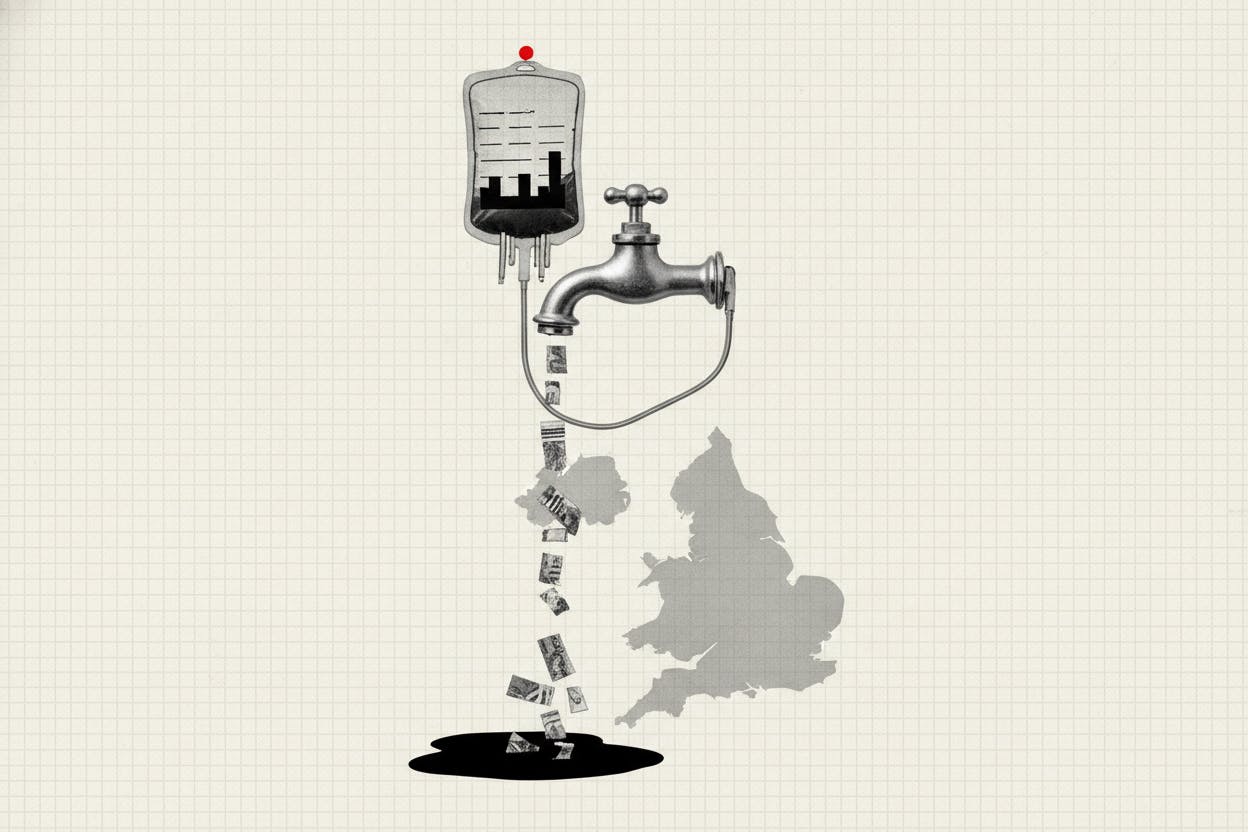
Thames Water, Britain's largest water supplier, is tapping the last £677 million of its £3 billion lender package after warning it could run out of cash as soon as November. The drawdown marks the final tranche of a financing deal the utility secured in early 2025, signaling that its day-to-day liquidity is nearly exhausted.
The company is now racing against time to secure a rescue plan that would restructure its massive debt pile. According to Reuters, Thames Water is asking the UK government to back a proposal that would wipe out £9.4 billion of existing debt and inject £3.35 billion of new equity. This is a classic restructuring move: new money typically demands priority, forcing older lenders and shareholders to accept losses so the balance sheet can support the added funding.
What's at Stake for Thames Water
Thames Water provides water and wastewater services to about 16 million customers across London and the Thames Valley. It has been struggling under a debt burden of roughly £16 billion, compounded by rising interest rates, regulatory pressure, and the need for massive infrastructure investment. The company has been in talks with creditors and the government for months to avoid a collapse that could disrupt essential services.
If the government does not sign off on the rescue plan, Thames Water could enter the Special Administration Regime (SAR). This is a process designed to keep water flowing under temporary state control while the company is restructured. However, SAR can still leave existing private investors taking steep losses, depending on how any state funding ranks against their claims.
What It Means for Investors
For holders of Thames Water's older debt, the message is clear: rescue often means value moving down the capital structure. The proposed write-off of £9.4 billion would reduce some claims to make the numbers work, while new equity would dilute existing shareholders. This is a reminder that heavily regulated, high-debt infrastructure can face hard restructuring when politics, regulators, and financing all need to align.
For the wider UK utilities market, the situation highlights the risks of high leverage in a regulated environment. Thames Water's struggles could lead to higher borrowing costs for other water companies, as investors reassess the stability of the sector. The outcome may also influence how the government approaches future infrastructure funding and regulation.
Meanwhile, the broader corporate landscape is seeing other major deals, such as ABB's $5.5 billion cash bid for Rotork and Uber's $14.8 billion bid for Delivery Hero, but Thames Water's situation is unique in its direct impact on millions of households and the UK government's balance sheet.
What Happens Next
All eyes are on the UK government's decision. If it backs the rescue plan, Thames Water will have a path to solvency, but existing investors will take significant losses. If it does not, the company could enter SAR, which would likely lead to a more chaotic restructuring. Either way, the next few months will be critical for the utility and its stakeholders.
For everyday investors, the key takeaway is that even essential infrastructure companies can face severe financial distress. Diversification across sectors and geographies remains important, as does understanding the risks of high debt in regulated industries.