Tin, a metal most people rarely think about, is quietly becoming one of the more important commodities in the modern economy. Prices on the London Metal Exchange have held above $50,000 a ton since June, a level that would have seemed extraordinary just a few years ago. The reason: a surge in demand from two of the biggest technological trends of the moment—artificial intelligence and electric vehicles—meeting a supply chain that is struggling to keep up.
Why tin is suddenly in the spotlight
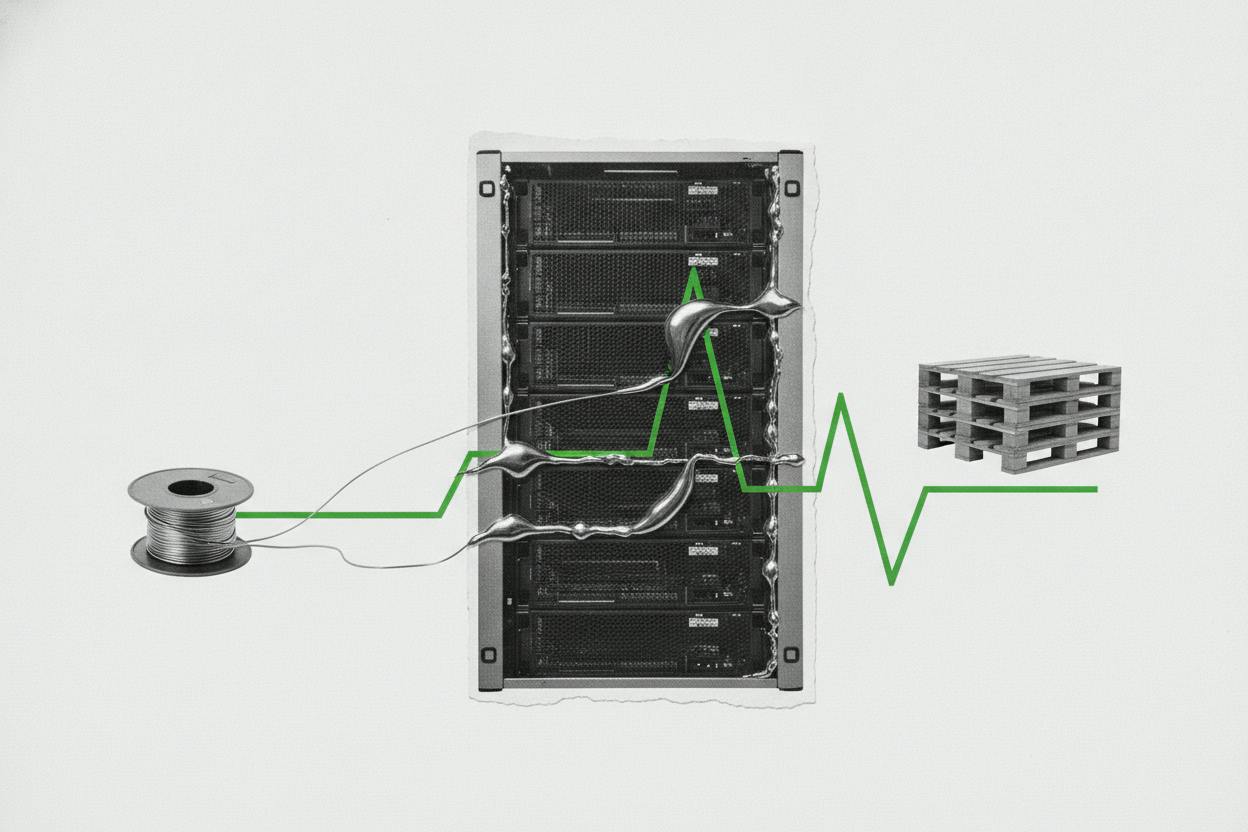
Tin is a critical component in soldering, the process that joins electronic components together. Every circuit board, every chip, every connection in a data center relies on solder, and tin is the main ingredient. As companies build out massive data centers to power AI applications, the demand for tin has climbed sharply. At the same time, electric vehicles use far more electronics than traditional cars, meaning more wiring, more connectors, and more solder.
The supply side of the equation is tight. Tin mining is concentrated in a handful of countries, with Myanmar and Indonesia among the largest producers. Political instability, export restrictions, and declining ore grades have all constrained output. Unlike copper or aluminum, tin is a relatively small market, so even modest shifts in supply or demand can have outsized effects on price.
This isn't the first time tin has rallied, but the current sustained strength is notable. Prices have remained above $50,000 a ton for several months, a sign that the market believes the demand is structural, not just a temporary spike. For comparison, tin traded around $20,000 a ton as recently as 2020.
What this means for investors
For everyday investors, the tin story is a reminder that the AI boom isn't just about software and chips. It's also about the physical materials that make the technology possible. While most people focus on companies like Nvidia or Microsoft, the metals that go into their products are seeing their own demand surge.
Investors can gain exposure to tin through mining companies, exchange-traded funds that track industrial metals, or by simply watching the commodity's price as a barometer for the health of the tech and EV sectors. However, tin is a volatile and relatively niche market, so it's not for everyone. As with any commodity, prices can swing sharply on news of new mines, trade policies, or shifts in global demand.
The broader picture is that the global economy is becoming more electrified and more digital, and that trend is likely to support demand for tin and other industrial metals for years to come. But investors should be cautious: high prices often incentivize new supply, and a slowdown in AI spending or EV adoption could quickly cool the market.
Context in the wider metals market
Tin's strength stands out against a mixed backdrop for other metals. Copper, for example, has been under pressure from a firmer dollar and rising oil prices, as copper slips on those headwinds. Meanwhile, nickel prices remain weak, prompting major producers to sell off assets, as seen with BHP's sale of its Kambalda nickel plant. Tin's resilience is a reminder that not all metals move together, and that specific supply-demand dynamics can drive very different outcomes.
Investors watching the commodity space should also keep an eye on energy prices, which can affect mining costs and overall inflation. Rising oil prices have been a recurring theme, and they can indirectly influence metals markets through their impact on the dollar and global growth expectations.
What to watch next
The key question for tin is whether supply can catch up with demand. Mining companies are likely to respond to high prices by expanding operations, but new mines take years to develop. In the meantime, any disruption in major producing regions could push prices even higher.
On the demand side, the pace of AI infrastructure spending and EV adoption will be critical. If tech companies continue to pour money into data centers, and if governments keep pushing for electric vehicles, tin's outlook remains bright. But if those trends stall, the metal could lose some of its shine.
For now, tin is a quiet but telling indicator of how deeply AI and electrification are reshaping the global economy. It may not grab headlines like oil or gold, but for investors, it's worth paying attention to.