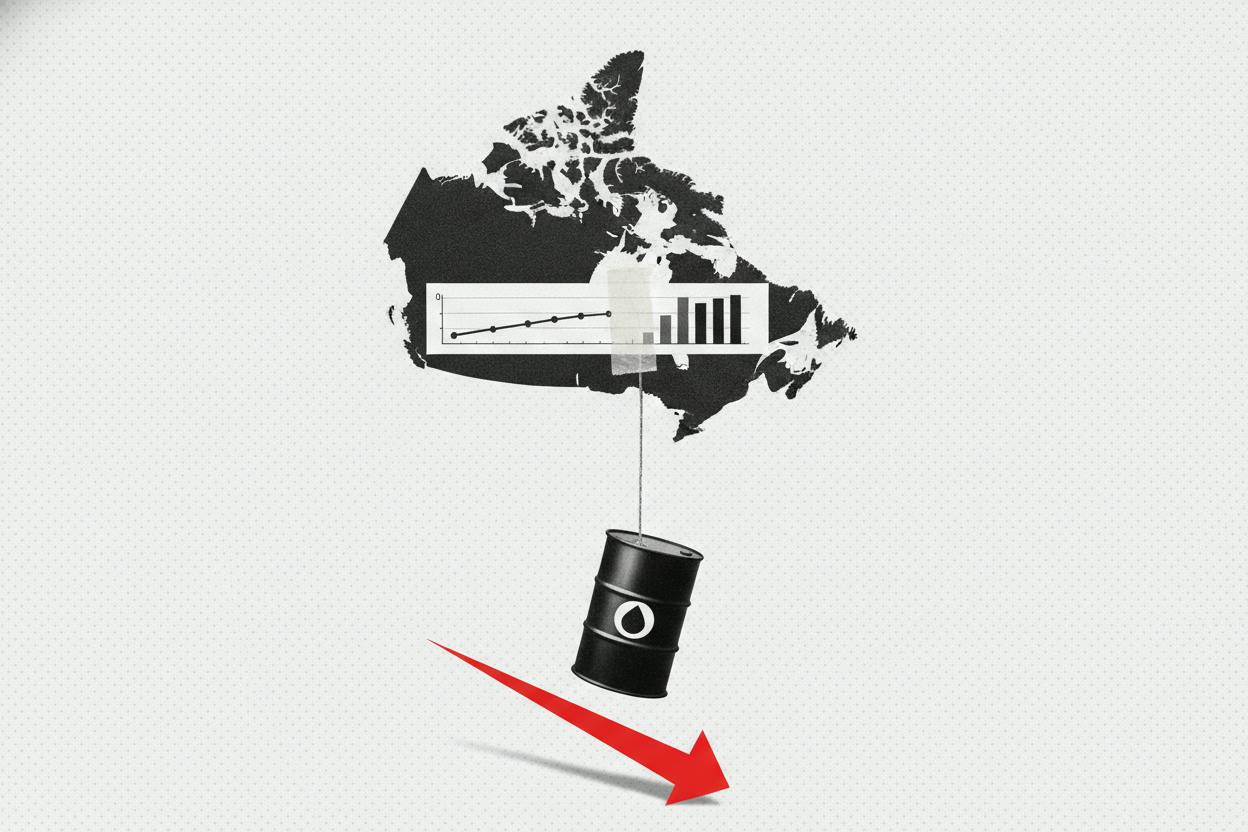
Toronto's main stock index slipped on Wednesday as Canada's inflation rate held steady at 3.1% in October, while a drop in oil prices weighed on energy shares. By mid-morning, the S&P/TSX Composite was down 0.6%, with energy leading the declines after crude fell about 2% and materials also slid as gold prices retreated.
Inflation holds, but the Bank of Canada's path stays uncertain
Canada's inflation rate staying at 3.1% for a second month was seen as a neutral signal for the Bank of Canada. It didn't add fresh urgency for another rate hike, even as markets continue to debate what comes next. The central bank has been trying to bring inflation back to its 2% target, and a stable reading suggests price pressures are not accelerating, but they also aren't cooling as quickly as some might hope.
For everyday investors, the key takeaway is that interest rates may stay higher for longer. That affects everything from mortgage rates to the returns on savings accounts and bonds. The Bank of Canada's next move will be closely watched, and any hints about future rate decisions could move markets. For more on the central bank's leadership transition, see our coverage of the search for the next Bank of Canada governor.
Oil and commodities drag on the TSX
Toronto's index is heavily weighted toward energy and materials, so a drop in oil prices can have an outsized impact. Crude fell about 2% on the day, pulling energy shares down with it. Gold also slipped, adding to the pressure on materials stocks. This is a reminder that commodity prices are a major driver of Canadian market performance, unlike in the U.S. where technology and consumer stocks play a bigger role.
For investors, this means that swings in global oil and metal prices can directly affect their portfolios, especially if they hold Canadian energy or mining stocks. Diversification across sectors can help cushion these moves, but it's important to understand the commodity exposure in any Canadian equity fund.
Deal news lifts Advantage Energy and Telus
Despite the broad market decline, a couple of names stood out on deal news. Advantage Energy and Telus both saw their shares rise as investors reacted to fresh merger and acquisition activity. While the details of these deals weren't disclosed in the brief, M&A news often sparks short-term rallies as investors anticipate potential synergies or premium buyouts.
For everyday investors, deal announcements can be a double-edged sword. They can boost the stock of the target company, but they also carry execution risk. It's usually wise to look at the fundamentals of a company rather than chasing a headline-driven pop. For more on how oil-related M&A is shaping the sector, check out our piece on oil prices slipping despite fresh M&A deals.
What it means for investors
The combination of steady inflation and falling oil prices creates a mixed picture for Canadian investors. On one hand, stable inflation reduces the odds of an aggressive rate hike, which could support consumer spending and housing. On the other hand, lower oil prices hurt the energy sector, which is a major part of the TSX.
Investors should also keep an eye on the Canadian dollar, which is sensitive to both inflation and oil. A weaker loonie can make exports more competitive but also raises the cost of imported goods. For a deeper look at how inflation data can move the currency, see our analysis of how the inflation report could decide the loonie's next move.
Ultimately, today's moves are a reminder that markets are driven by a complex mix of economic data, commodity prices, and corporate news. For the average investor, staying diversified and focusing on long-term goals is often more important than reacting to daily swings.



