Toyota and Alphabet-owned Waymo are teaming up to bring self-driving taxis to Japan. The partners plan to trial autonomous versions of Toyota's bZ4X electric SUV in 2027, starting with a small fleet before potentially expanding to other right-hand-drive markets such as the UK.
The announcement marks a significant step for both companies. For Waymo, it's a chance to prove its autonomous driving technology works outside the US, where it currently operates commercial robotaxi services in cities like Phoenix and San Francisco. For Toyota, it's a way to showcase its electric vehicle platform while staying competitive in the rapidly evolving autonomous driving space.
How the partnership works
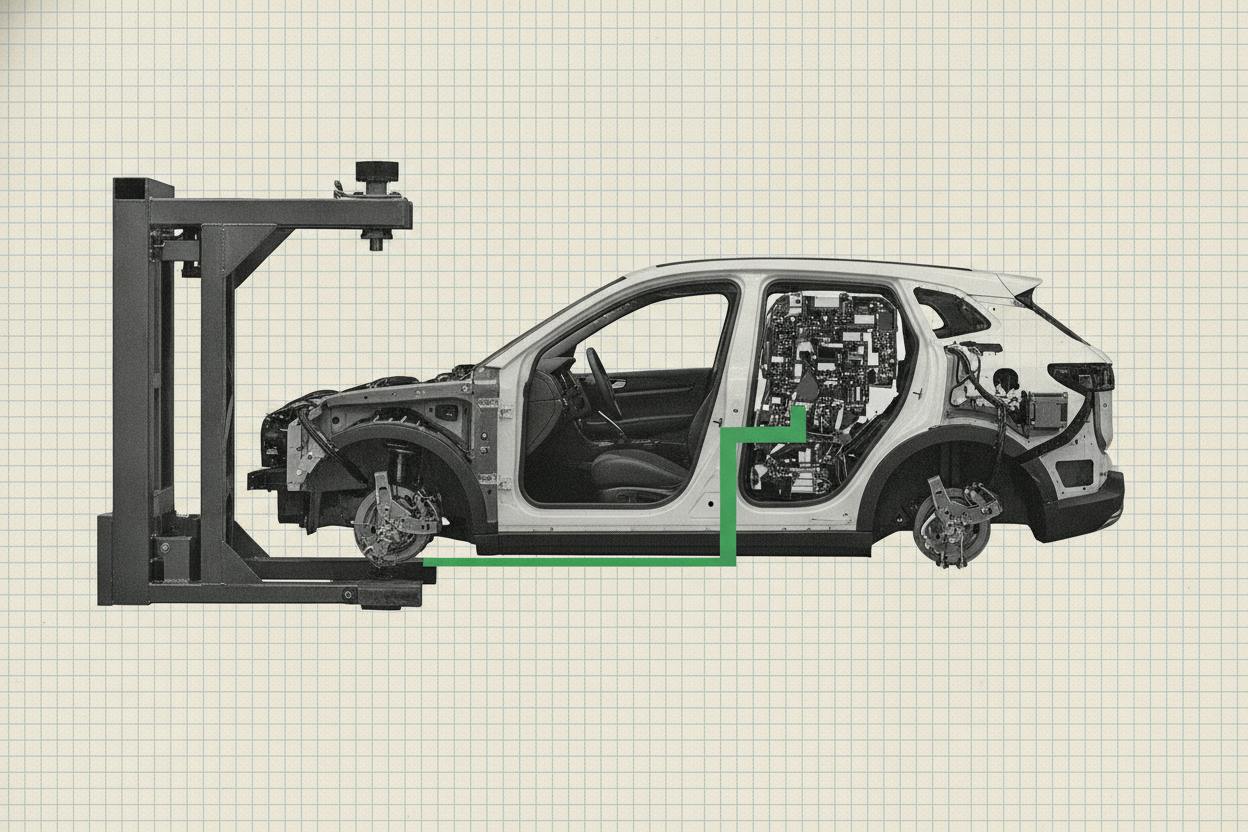
The bZ4X vehicles will be built at Toyota's Takaoka plant in Japan, with Waymo's self-driving hardware installed during the manufacturing process. This is a departure from Waymo's earlier approach, where it retrofitted sensors and computers onto existing vehicles in separate facilities.
By integrating Waymo's technology at the factory, the companies can create a more consistent and scalable production process. This "build recipe" approach could make it easier to deploy autonomous vehicles in new markets without the complexity of one-off conversions.
The trial will begin with a small fleet, allowing the companies to test the technology in Japan's unique driving conditions, which include dense urban streets, narrow roads, and heavy pedestrian traffic. Japan also drives on the left side of the road, making it a natural testing ground for right-hand-drive markets.
Why Japan matters
Japan has been slower than some other countries to embrace autonomous vehicles, partly due to regulatory hurdles and cultural attitudes toward new technology. However, the government has been pushing to modernize its transportation sector, and the country faces a looming shortage of drivers as its population ages.
For Toyota, which is headquartered in Japan, a successful trial could help it gain a foothold in the robotaxi market, which is expected to grow significantly in the coming years. The company has already invested heavily in autonomous driving research and has partnerships with other tech firms, but this collaboration with Waymo is one of its most high-profile efforts.
Waymo, for its part, sees Japan as a key expansion target. The company has been looking to internationalize its operations, and a successful launch in Japan could open the door to other right-hand-drive markets like the UK, Australia, and India.
What it means for investors
For everyday investors, this news is a reminder that the autonomous driving race is heating up. Companies like Tesla, Google's Waymo, and traditional automakers are all investing heavily in self-driving technology, and the winners could reap enormous rewards.
However, it's important to keep expectations in check. Autonomous driving has been "just around the corner" for years, and regulatory, technical, and safety challenges remain. The 2027 trial is still a test, not a commercial launch, and there's no guarantee it will lead to a full-scale robotaxi service.
For Toyota shareholders, the partnership is a positive sign that the company is serious about staying relevant in the electric and autonomous vehicle era. For Alphabet investors, it's another potential revenue stream for Waymo, which is still losing money but could become a major profit driver if it scales successfully.
Investors should also watch how this plays out in the broader context of the auto industry. As we've seen with Volkswagen's use of China-built tech, automakers are increasingly looking to partnerships to cut costs and speed up development. Similarly, Japan's M&A landscape is heating up, and this deal could be part of a larger trend of foreign tech companies partnering with Japanese manufacturers.
The road ahead
The 2027 trial is still a few years away, and there are many hurdles to clear before robotaxis become a common sight in Japan. The companies will need to secure regulatory approval, ensure the technology is safe in Japanese traffic, and win over public trust.
But if the trial succeeds, it could mark a major milestone for autonomous driving. It would show that the technology can work in a dense, complex urban environment outside the US, and it could pave the way for broader adoption in other countries.
For now, investors should view this as a long-term bet. The autonomous driving market is still in its early stages, and it could be a decade or more before it becomes a major revenue driver for any company. But with Toyota and Waymo both committed to making it happen, the future of driving may be closer than it seems.