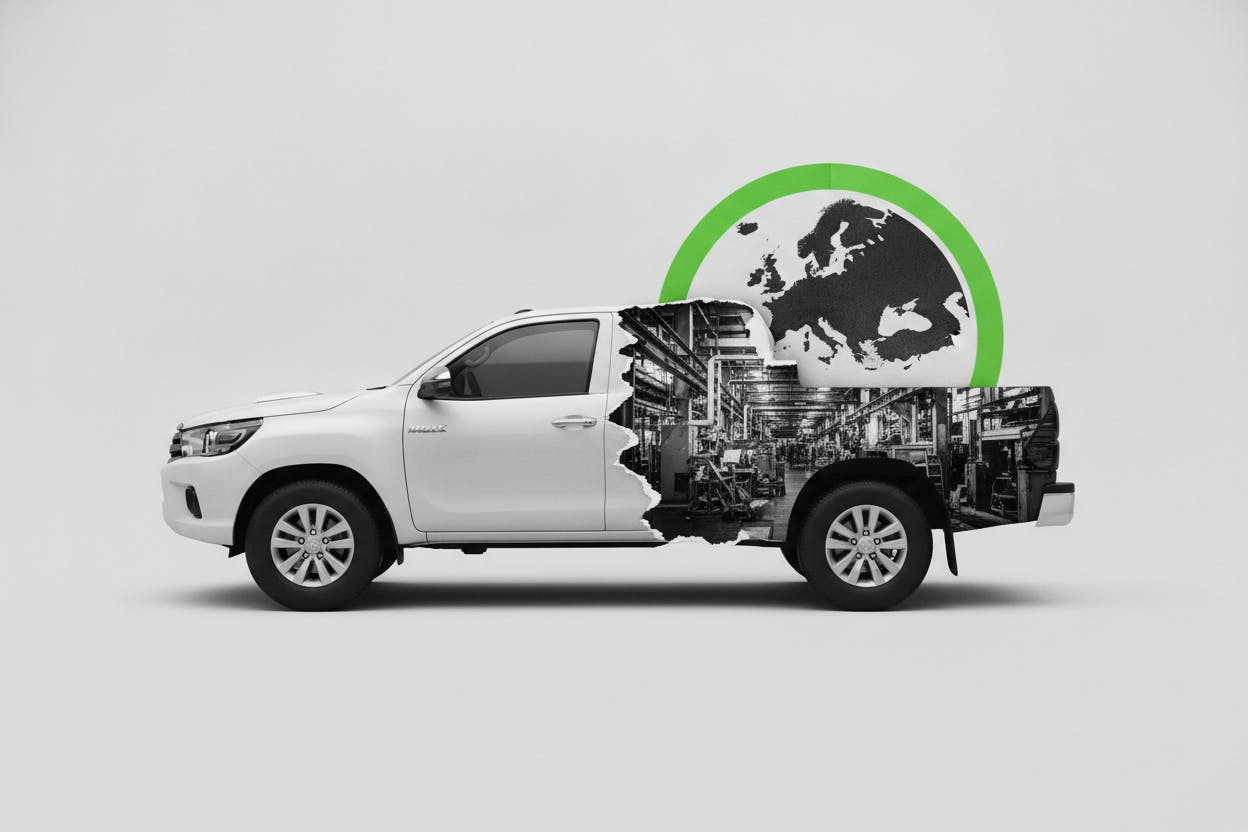
Toyota South Africa, the local arm of Japanese auto giant Toyota Motor, has announced that its massive 10.4 billion rand (about $570 million) upgrade program for the Hilux pickup is more than 77% complete. Pilot production has already started at the company's Durban plant, with the full overhaul expected to wrap up by June 2027. At that point, Toyota plans to phase out the current Hilux model and ramp up production to roughly 140,000 pickups per year, including exports to Europe and other African markets.
What the Upgrade Involves
The spending is split into two main buckets. About 3.2 billion rand is going toward plant upgrades, including a new logistics center and a chassis treatment and coating facility. The remaining 7.2 billion rand is earmarked for production preparation, such as advanced equipment, robotics, and supplier tooling. A new chassis-frame welding line is also part of the program and is scheduled to be completed alongside the wider project.
These investments are designed to keep the Hilux—Toyota's best-selling pickup in South Africa—competitive as Chinese automakers like GWM and Chery expand their presence in the region. But the upgrades also serve a bigger strategic purpose: making room for more safety and driver-assistance technologies in the next-generation model.
Why Europe Is the Real Driver
For investors, the most important takeaway is that this upgrade is really about staying eligible for the European market. Europe is the swing destination in Toyota South Africa's plan to run the Durban plant at roughly 140,000 units a year. As EU emissions rules tighten, the "right to sell" increasingly depends on both the vehicle's technology and the factory's ability to build it consistently.
The Durban upgrades—coating and treatment facilities, new robotics, and the chassis-frame welding line—act like a gatekeeper. They help Toyota integrate cleaner technology and hit the quality standards that regulators and buyers expect. That makes the June 2027 deadline more than just a project milestone. If it slips, Toyota could face a bottleneck in approvals and exports, leaving expensive capacity underused even if local demand holds up.
This is a familiar challenge for automakers worldwide. As we've seen with other major industrial investments, such as Japan's $2.4 billion bet on humanoid robots, staying competitive often requires massive upfront spending on new technology and facilities.
What It Means for Investors
For everyday investors, this story highlights a few key themes. First, it shows how regulatory pressure—especially from Europe—is reshaping global manufacturing. Companies that export to the EU must constantly upgrade their factories to meet evolving standards, or risk losing access to one of the world's most lucrative markets.
Second, it underscores the competitive threat from Chinese automakers. GWM and Chery are aggressively expanding in South Africa and other emerging markets, forcing incumbents like Toyota to invest heavily to defend their market share. This dynamic is playing out across the auto industry, from pickups to passenger cars.
Finally, the scale of the investment—10.4 billion rand—is a reminder that capital-intensive industries like auto manufacturing require long-term planning and deep pockets. Toyota Motor, with its global scale, can afford such upgrades, but smaller players might struggle to keep pace.
Investors should watch for updates on the Durban plant's progress, especially any signs of delays that could affect export volumes. The broader trend of regulatory-driven factory upgrades is likely to continue, benefiting companies that supply automation and emissions-control technology.
For context, similar dynamics are at play in other sectors. For instance, foreign investors poured $120.8 billion into US stocks in May, reflecting confidence in markets that are adapting to new regulations and technologies. And in the pharmaceutical industry, dealmakers are reshaping pharma, robotics, and delivery with multi-billion takeovers, showing how capital flows toward companies that can navigate regulatory and competitive pressures.
In short, Toyota's Hilux upgrade is a textbook example of how global automakers are investing to stay relevant in a rapidly changing market. For investors, the key question is whether these investments will pay off in the form of sustained sales and profits—or whether the costs will eat into margins without delivering the expected returns.