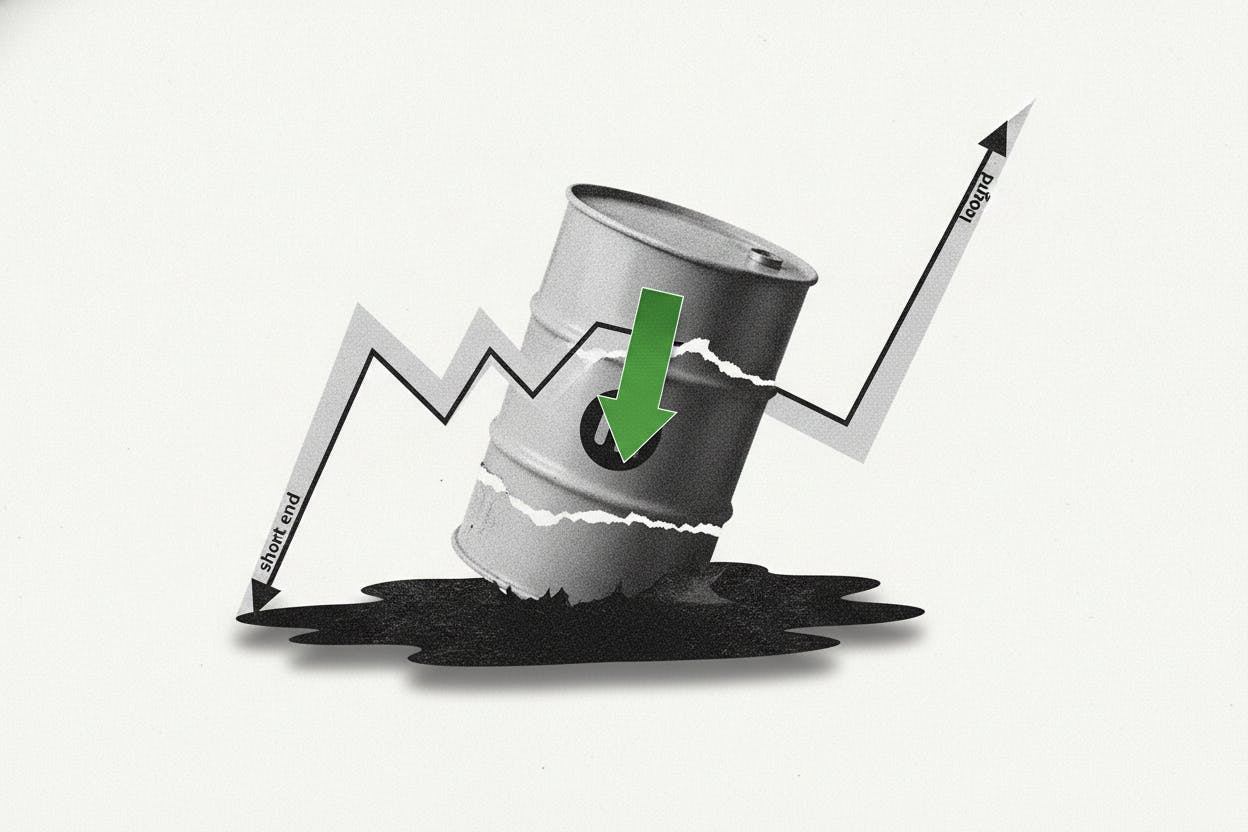
Short-term US Treasury yields eased on Tuesday as a pullback in oil prices helped calm inflation fears, prompting traders to reassess the odds of another Federal Reserve rate hike. The move comes just days before a closely watched jobs report that could reshape the outlook for borrowing costs.
The 2-year Treasury yield, which is highly sensitive to Fed policy expectations, fell to 4.094%. Meanwhile, the 10-year yield edged higher to 4.396%, widening the gap between short- and long-term rates—a phenomenon known as a steepening yield curve. That spread reached about 30 basis points, signaling that markets are less focused on near-term rate increases and more uncertain about the longer-run economic outlook.
Why Oil Matters for Bonds
Bond yields move with inflation expectations, and energy is a major driver because oil prices feed into everything from shipping costs to utility bills. When crude prices ease, investors see a slightly lower risk that inflation will flare up again, which tends to pull down short-dated yields that track the Fed's next moves. The recent cooling in oil markets has provided some relief after months of elevated energy costs kept upward pressure on prices.
This dynamic isn't unique to the US. Similar trends have been seen globally, as Oil's Slide Pulls Euro Zone Bond Yields Lower as ECB Rate Hike Bets Fade, showing how energy prices influence central bank expectations across developed economies.
Fed Rate Hike Odds Shift
Despite the dip in yields, traders still see a 63% probability that the Fed will deliver at least one rate hike by its September meeting. That's down from higher levels earlier this month but still reflects a market that isn't convinced the central bank is done tightening. The Fed has held rates steady since July 2023, but stubborn inflation and a resilient economy have kept the door open for further increases.
The next big test comes with the July jobs report, due out later this week. A strong labor market can keep wage growth—and by extension, prices—sticky, making it harder for the Fed to ease policy. Conversely, signs of cooling could reinforce the case for holding rates steady or even cutting later this year.
What It Means for Your Money
The divergence between short- and long-term yields has practical implications for everyday borrowing costs. Many variable-rate debts, such as credit cards and some personal loans, are tied to short-term benchmarks that follow the Fed's moves closely. A lower 2-year yield can mean less upward pressure on those rates, potentially offering some relief to borrowers.
Fixed-rate mortgages, however, tend to track longer-term yields like the 10-year Treasury. With the 10-year still hovering around 4.396%, mortgage rates remain elevated. That means while the cost of short-term borrowing may stabilize, homebuyers and those with fixed-rate loans won't see much relief until the long end of the bond market also eases.
For investors, the yield curve steepening is a signal worth watching. Historically, a steepening curve can indicate that markets expect stronger economic growth ahead, but it can also reflect uncertainty about inflation and Fed policy. The current environment—where short-term yields fall while long-term yields rise—suggests investors are pricing in a slower pace of rate hikes but remain cautious about the longer-run outlook.
Broader Market Context
The moves in US Treasuries come amid a mixed backdrop for global markets. While oil's slide has helped ease bond yields in the US and Europe, other assets are showing stress. For instance, the South African Rand Holds Near 16.50 as High Bond Yield Offsets Commodity Slump, highlighting how different economies are navigating the same forces.
In currency markets, the Oil Bounces but Canadian Dollar Stays Stuck Near Tariff-Era Lows as Yield Gap Widens, showing that even when energy prices recover, other factors like interest rate differentials can keep pressure on currencies.
Looking Ahead
All eyes are now on the July jobs report, which will provide the latest snapshot of the labor market. If hiring remains strong and wage growth accelerates, the odds of a Fed hike could rise again, pushing short-term yields higher. If the data comes in soft, the case for a pause or cut will strengthen, potentially driving yields lower across the curve.
For now, the bond market is sending a mixed message: near-term inflation fears are easing, but the path forward remains uncertain. Investors should watch how the yield curve evolves in the coming weeks, as it will offer clues about where the economy—and their portfolios—are headed.