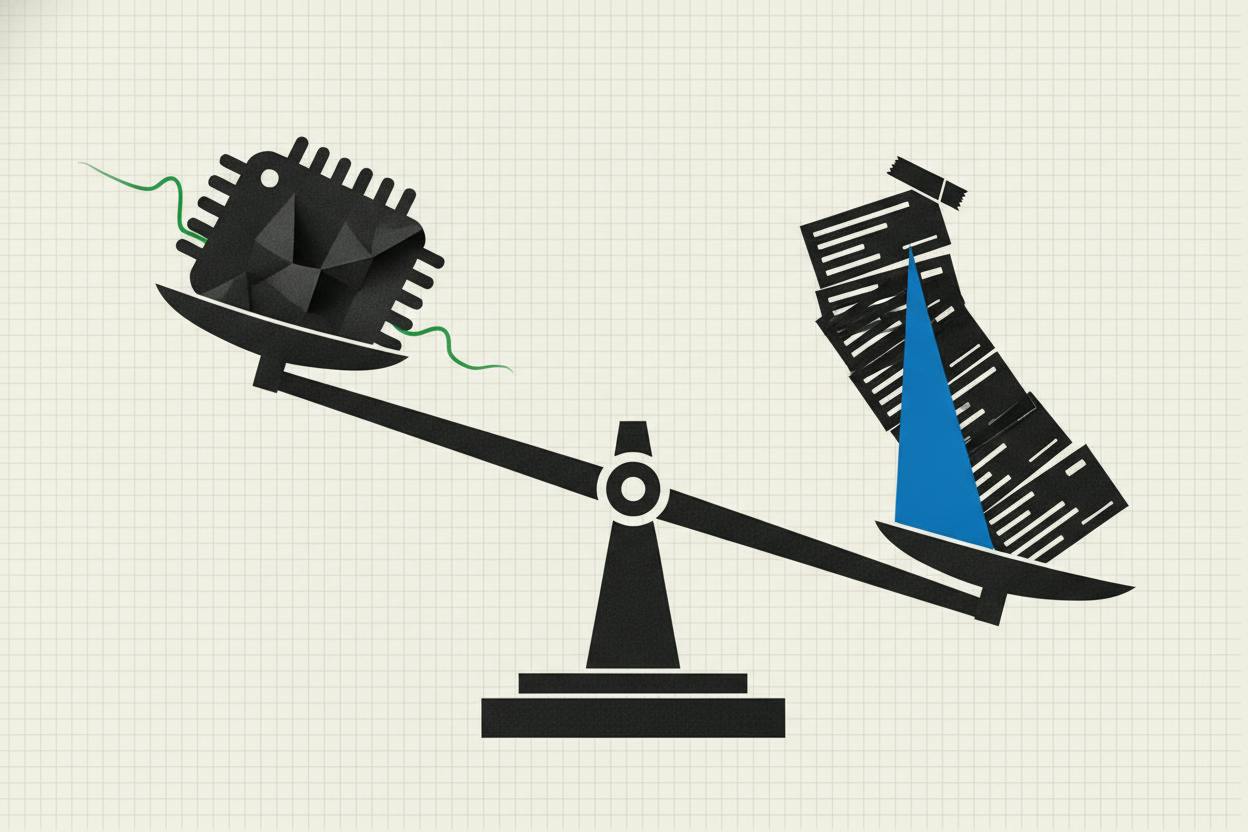
US Treasury yields edged lower on Tuesday, with the benchmark 10-year note slipping to 5.102%, as investors sought the relative safety of government debt ahead of a $13 billion auction of 20-year bonds. The move comes as AI-related stocks, which have powered much of this year's market gains, show signs of wobbling, prompting a classic flight to quality.
Why yields are falling
When investors get nervous about the stock market, they often sell equities and buy Treasuries, which are considered among the safest assets in the world. That increased demand pushes bond prices up and yields down. The 10-year yield, which moves inversely to price, has been hovering near the psychologically important 5% level, a threshold not seen consistently in over a decade.
The current dip to 5.102% reflects a market that is 'weighing risk-on moves in equities against the pull of safer Treasuries,' as traders put it. In plain terms, investors are trying to decide whether to chase the potential upside in stocks or park money in bonds that now offer a meaningful return without the same level of volatility.
The AI stock factor
AI-related companies, especially those building expensive data centers and infrastructure, have been the darlings of the market this year. But their high valuations and heavy capital spending make them sensitive to shifts in investor sentiment. When these stocks stumble, as they have recently, the ripple effect can be felt across the broader market.
This dynamic is not new. Tech-led bounces have been a recurring theme, but so have sharp pullbacks when expectations outpace reality. The seesaw between stocks and bonds is a reminder that the two asset classes often move in opposite directions, offering investors a natural hedge.
The bond auction ahead
The Treasury's $13 billion sale of 20-year bonds is part of the government's regular borrowing schedule. Auctions like this are closely watched because they test investor appetite for longer-dated debt. If demand is strong, it can push yields lower; if weak, yields may rise.
At current levels, yields around 5% make Treasuries an attractive alternative to stocks, especially for investors who are worried about a potential pullback in equity markets. 'When you can get 5% on a government bond with virtually no default risk, it changes the calculus for many portfolio managers,' said one fixed-income strategist, speaking on condition of anonymity.
What it means for everyday investors
For the average investor, the move in Treasury yields is more than just a number on a screen. It affects borrowing costs, from mortgages to corporate loans, and it influences the returns on savings accounts and certificates of deposit. A 10-year yield near 5% means that conservative investments are finally paying something meaningful again.
But it also signals caution. When investors flock to bonds, it often suggests they are worried about the stock market's near-term prospects. That doesn't mean a crash is imminent, but it does suggest that the easy gains in some high-flying tech stocks may be getting harder to come by.
For those with a diversified portfolio, the current environment underscores the value of holding both stocks and bonds. The two have historically moved in opposite directions during times of stress, which can help cushion the blow when one asset class underperforms.
Looking ahead
Investors will be watching the 20-year auction results for clues about demand, as well as any new economic data that could influence the Federal Reserve's next move. The central bank has been holding rates steady, but if inflation remains sticky, it may be forced to keep them higher for longer, which would keep upward pressure on yields.
In the meantime, the tug-of-war between AI optimism and bond safety is likely to continue. As Asia stocks rise on AI optimism, the mood can shift quickly. Investors would do well to remember that markets are driven by sentiment as much as fundamentals, and that a 5% yield on a government bond is a solid anchor in any storm.
For now, the message from the bond market is clear: caution is creeping in, and the safe haven is open for business.