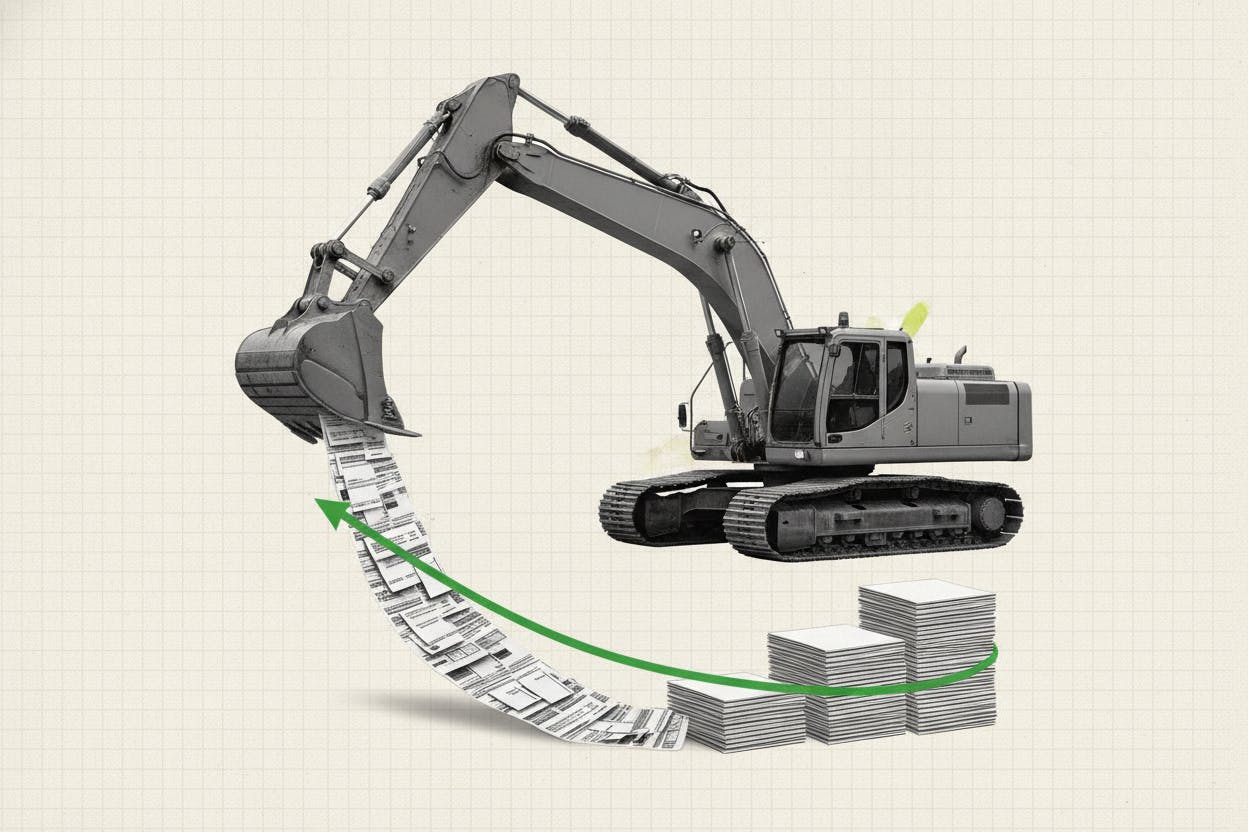
Truist Securities is betting that a sustained period of US manufacturing expansion will provide a tailwind for industrial companies as they report second-quarter earnings. The investment bank points to robust demand for machinery and infrastructure services, driven by large-scale projects tied to data centers, power grids, artificial intelligence, and construction.
What Truist Sees in the Numbers
Truist expects second-quarter order trends to remain strong across the industrial sector, particularly in machinery and infrastructure services. The firm notes that a six-month stretch of US manufacturing growth—a key economic indicator—has set the stage for companies to report solid results. However, the bank cautions that the real test lies in whether those orders translate into what it calls “organic growth,” or sales growth from core business operations rather than acquisitions.
Organic growth has lagged so far, Truist says, even as order books have swelled. This disconnect matters because industrial companies can look great on orders while revenue stays muted if projects take time to start, customers delay deliveries, or supply chains slow execution. The bank’s focus is on backlog conversion—the process of turning contracted work into recognized revenue—and incremental margins, which measure how much extra profit each additional dollar of sales generates.
Key Companies in Focus
Truist highlighted several names it believes could benefit if activity keeps converting into revenue. Caterpillar, the heavy equipment giant, is seen as well-positioned due to its exposure to power and construction markets. Quanta Services, an infrastructure contractor, is expected to potentially beat earnings estimates and lift its guidance. MasTec, another infrastructure firm, is called out for its data center and pipeline work, which Truist views as an upside area. The bank also notes MasTec’s own target of growing earnings per share at a 20% compound annual rate through 2028. Parker-Hannifin, a motion and control technologies company, is flagged for its ability to turn extra sales into profit through strong incremental margins.
These companies are part of a broader industrial sector that has been buoyed by mega-trends like AI and data center buildouts, as well as ongoing infrastructure spending. For context, Siemens Set for Strong Q3 as Grid and Automation Demand Surges, Says Bank of America highlights similar demand dynamics in Europe, underscoring the global nature of this trend.
What It Means for Investors
For everyday investors, earnings season for industrials often starts with one question: are orders strong? But when manufacturing is expanding, the market quickly moves on to the next, harder question: are companies converting that demand into reported sales and profit? If order growth lifts the book-to-bill ratio—a metric comparing orders received to orders shipped—and builds backlog (work already contracted but not yet completed), analysts typically wait to see that backlog translate into organic revenue growth. And if it does, margins can improve fast because many costs are fixed, meaning each extra dollar of sales can add more profit than usual.
That’s why Truist’s focus on backlog conversion and incremental margins could matter more for forward earnings estimates than another headline-grabbing orders beat. The bank’s analysis suggests that while the manufacturing tailwind is real, the market’s attention will shift from top-line orders to bottom-line results as earnings season progresses.
Investors should also keep an eye on broader economic signals. For instance, Turkey's Manufacturing Slips Back into Contraction as PMI Falls to 47.1 shows that not all manufacturing environments are improving, highlighting the importance of regional and sector-specific factors. Meanwhile, Aluminum and Copper Slide as Strong Dollar, Tariff Uncertainty Hit Base Metals reminds us that commodity prices and trade policies can also impact industrial companies’ costs and revenues.
The Bottom Line
Truist’s call is a vote of confidence in the industrial sector’s near-term prospects, but it comes with a caveat: orders are only half the story. The real test for companies like Caterpillar, Quanta Services, MasTec, and Parker-Hannifin will be whether they can turn that backlog into cash flow and earnings growth. For investors, watching for signs of organic revenue acceleration and margin expansion will be key to gauging whether the manufacturing tailwind is truly lifting profits or just filling order books.