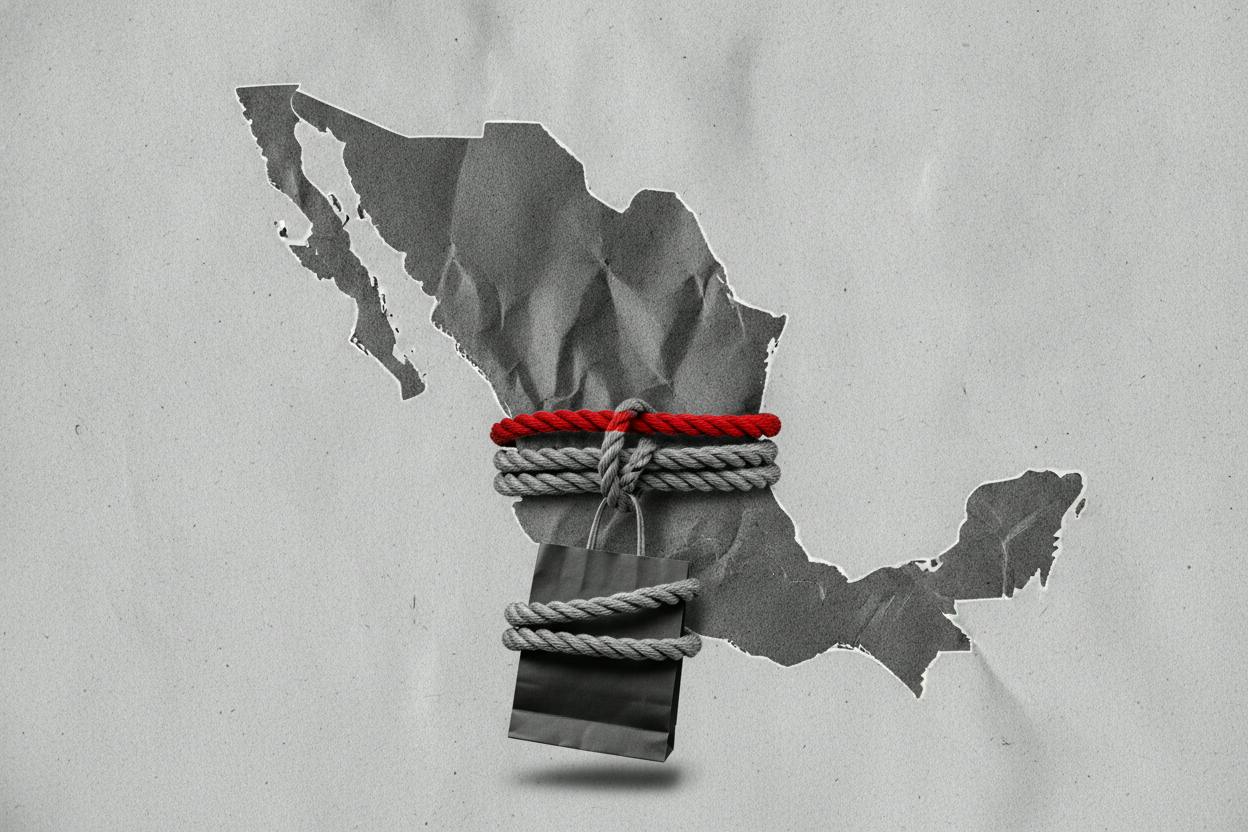
US consumer stocks slipped Thursday after President Donald Trump said he could double tariffs on Mexico, a threat that rattled investors already nervous about the holiday shopping season. The sector-wide move was modest, but the message was clear: trade policy can quickly raise costs for companies that rely on imported goods and squeeze shoppers' budgets at the worst possible time.
Trump wrote on Truth Social that he would double tariffs on Mexico if it doesn't stop migrant caravans from entering the US. For consumer-facing companies, tariff threats are a double-edged sword. They can push up the cost of imported raw materials and finished products, and they can also weigh on consumer confidence, making people think twice before spending. That combination is especially painful in the fourth quarter, when retailers and brands typically earn a large share of their annual profit.
The day's biggest losers showed how quickly investors punish companies that appear vulnerable to these pressures. Yeti, the maker of coolers and drinkware, cut its full-year outlook after third-quarter sales missed expectations, sending its stock down more than 8%. iHeartMedia, the radio and podcasting giant, fell more than 15% after BofA Securities downgraded it to underperform from neutral and slashed its price target to $1 from $5, citing the company's heavy debt load.
Why tariffs hit consumer stocks so hard
Tariffs are essentially a tax on imported goods. When a company brings in products or components from Mexico, a higher tariff means it either absorbs the extra cost, which eats into profit margins, or passes it on to customers, which can hurt sales. For consumer brands, both options are unattractive, especially when shoppers are already feeling stretched.
The timing matters too. The holiday quarter is when many consumer companies generate a disproportionate share of their revenue and profit. A tariff threat that lands in November can cast a shadow over the entire season, making investors nervous about whether companies will hit their numbers. That's why even a vague threat can move stock prices, as it did Thursday.
Yeti's situation illustrates the broader challenge. The company, known for its rugged outdoor gear, said third-quarter sales came in below expectations and trimmed its full-year forecast. While the company didn't specifically blame tariffs, the move reflects a cautious consumer environment. When shoppers pull back, companies with less pricing power or higher exposure to discretionary spending feel it first.
Debt can turn a bad day into a rout
For iHeartMedia, the problem wasn't just softer advertising trends. It was the company's balance sheet. BofA's downgrade centered on iHeartMedia's heavy debt, which has been a persistent concern for the company since it emerged from bankruptcy in 2019.
When a company carries a lot of debt, the stock price effectively represents what's left after lenders get paid. That means small changes in expected cash flow can cause outsized moves in the share price. A slight miss on earnings, a weaker outlook, or a downgrade from a major bank can quickly shift the debate from "Are sales a bit better or worse?" to "Will the company comfortably cover its interest costs and refinance on reasonable terms?"
That's why highly indebted companies can be unusually volatile around earnings and guidance changes. Investors are not just pricing in the business fundamentals; they're pricing in the risk that the company might struggle to service its debt. When that risk rises, the stock can reprice fast, as iHeartMedia's 15% drop showed.
BofA's $1 price target, down from $5, is a stark illustration of how debt can dominate a stock's story. For a company with iHeartMedia's leverage, the equity is almost like a call option on the business's ability to generate cash. When that option looks less likely to pay off, its value can collapse.
What it means for investors
For everyday investors, Thursday's moves offer a few lessons. First, tariff threats are a reminder that trade policy can have a direct impact on the companies you own, especially in consumer sectors. It's worth paying attention to how much of a company's supply chain relies on imports from countries that could face tariffs.
Second, debt matters. When you're evaluating a stock, it's not just about earnings growth or brand strength. A company's balance sheet can amplify both good and bad news. Highly leveraged companies can be rewarding when things go well, but they can also be punishing when the outlook darkens.
Finally, the holiday season is a critical test for consumer companies. If shoppers remain cautious, we could see more companies trim their outlooks, as Yeti did. That would likely keep pressure on consumer stocks, especially those with weaker balance sheets.
For more on how trade tensions are affecting markets, see our coverage of oil prices diverging and commodity price moves. And for a look at how other companies are navigating cautious consumer demand, check out Corteva's profit warning and Yeti's outlook cut.