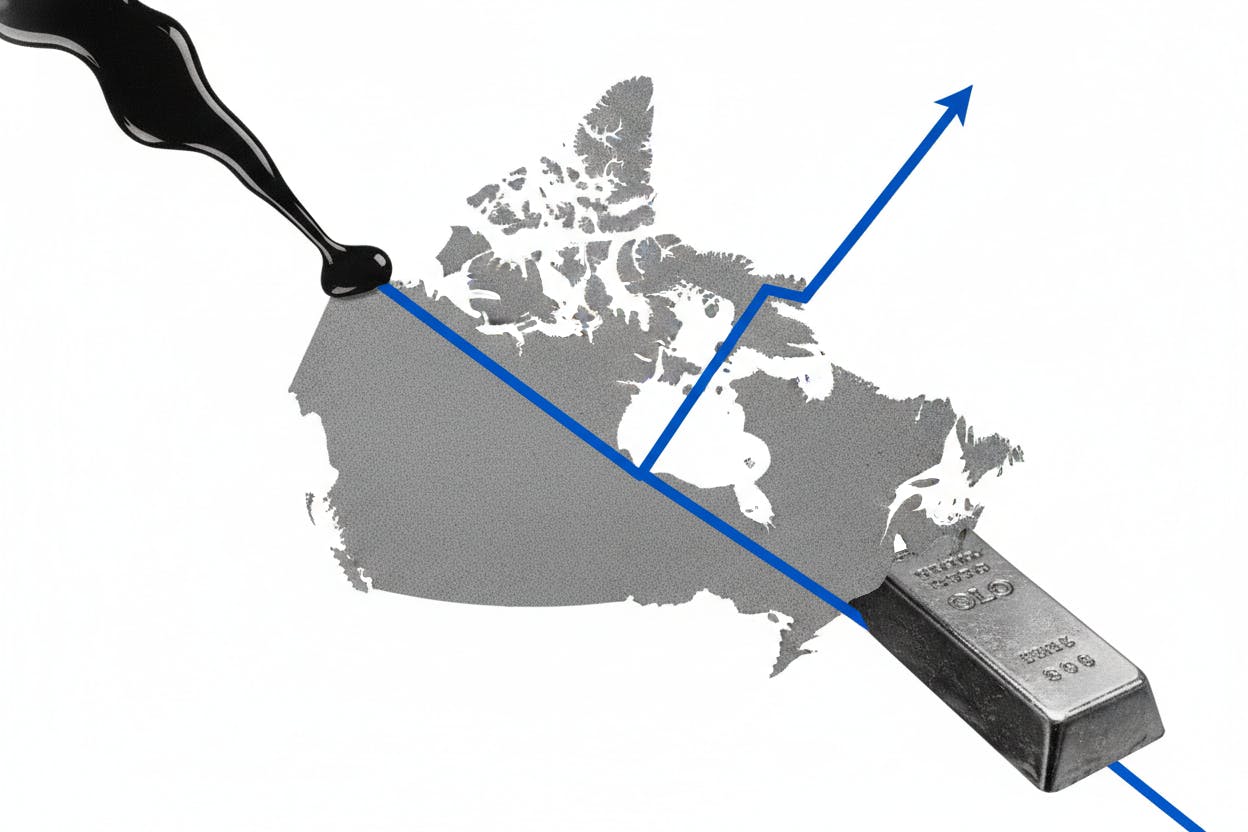
Canadian stock futures pointed to a softer open on Tuesday, as a jump in crude prices following attacks on Saudi Arabian energy facilities was offset by weakness in precious metals and growing expectations of further interest rate hikes. The moves come as investors position ahead of Friday's key US inflation report, which could shape the path of monetary policy in the world's largest economy.
Oil climbs on supply worries
Crude oil rose to multi-week highs after attacks on Saudi energy sites raised concerns about potential supply disruptions. For Canada, a major oil exporter, higher crude prices can be a tailwind for the energy-heavy TSX. However, the reason behind the rally matters: when oil jumps because of geopolitical risk, it can feed into inflation fears rather than signal strong demand.
Energy stocks, which make up a significant chunk of the Canadian benchmark, could see a boost. But the broader market may struggle if investors interpret rising oil as a sign that inflation will stay sticky, prompting central banks to keep rates higher for longer.
Gold slips, rate hike bets rise
Precious metals, including gold, slipped as traders increased their bets on further interest rate hikes. Gold is often seen as a hedge against inflation and economic uncertainty, but it tends to lose appeal when interest rates rise, because the metal pays no interest and becomes less attractive relative to yield-bearing assets.
The shift in rate expectations comes ahead of Friday's US inflation report, which is expected to show whether price pressures are cooling enough for the Federal Reserve to pause its tightening cycle. Strong economic data recently has led some investors to price in more hikes, which has weighed on gold and other non-yielding assets.
What it means for investors
For everyday investors, the tug-of-war between oil and gold highlights how different parts of the market can react to the same macro forces. Higher oil can lift energy stocks, but if it stokes inflation fears, it can hurt rate-sensitive sectors like technology and real estate. Meanwhile, weaker gold prices can be a drag on mining stocks, which are also a key part of the TSX.
The upcoming US inflation report is the main event for markets this week. A hotter-than-expected reading could reinforce expectations of more rate hikes, putting pressure on stocks and bonds. A cooler number could ease those fears and support risk assets.
Investors should also keep an eye on the latest small business optimism data, which showed owners growing more cautious about the economy. That sentiment can be a leading indicator for hiring and investment, and it adds to the mixed picture for growth.
Broader market context
The moves in Canada come as global markets are grappling with similar dynamics. In Europe, the FTSE 100 slipped as oil hovered near six-week highs and US rate hike odds climbed. In Asia, Australian consumer confidence fell again as inflation worries persisted, and copper prices slipped after strong US jobs data revived Fed hike bets.
For Canadian investors, the key takeaway is that markets are likely to remain volatile until Friday's inflation report provides clarity. In the meantime, diversification across sectors and asset classes can help manage the uncertainty.
Looking ahead
Beyond the inflation data, investors will be watching for any further developments in the Middle East that could affect oil supply. A prolonged disruption could keep crude elevated, adding to inflation pressures and complicating the central bank's job.
For now, the TSX's direction will depend on whether energy gains can outweigh losses in mining and other rate-sensitive areas. As always, it's important for investors to focus on their long-term goals rather than reacting to daily market swings.



