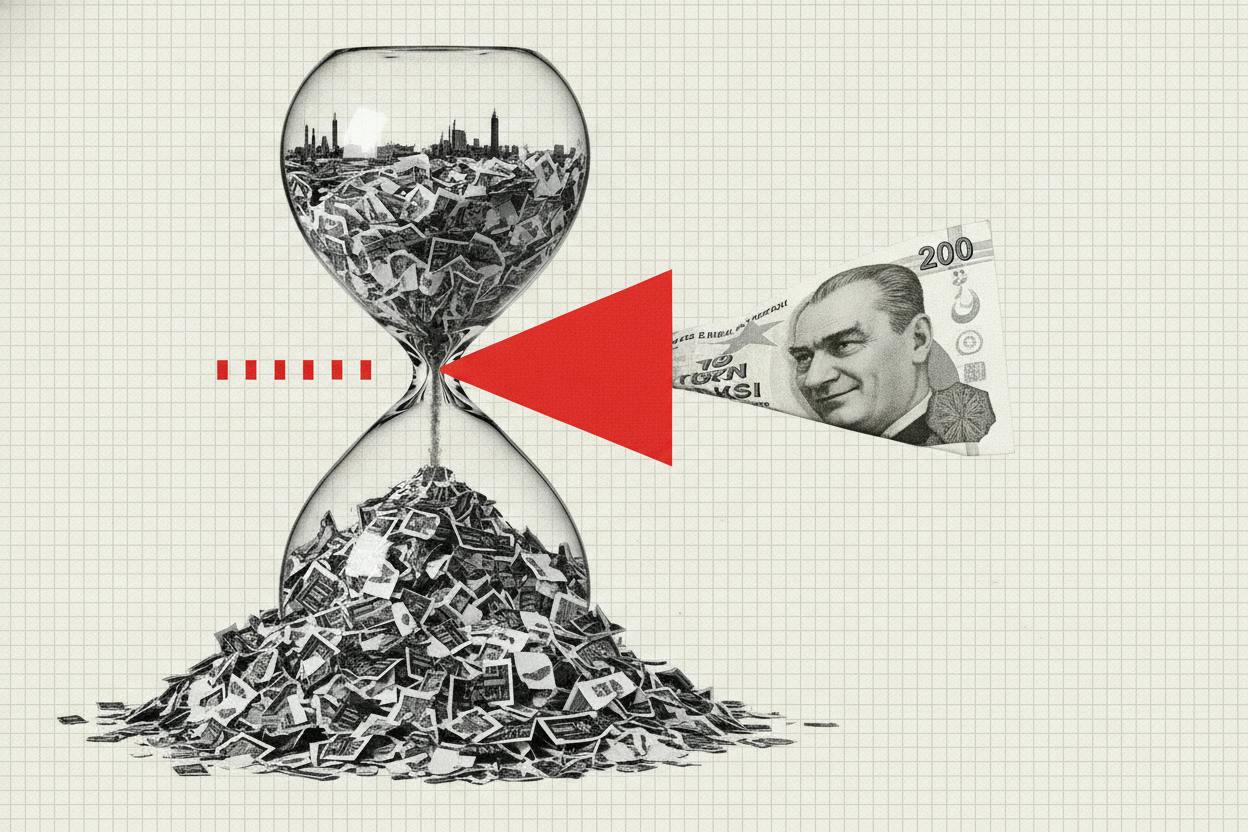
Turkey's financial regulator has ordered the liquidation of 131 investment funds managed by seven asset managers, setting a six-month timeline for the wind-down. The move comes after some fund managers said they could not meet investor redemption requests, and as investigations into market manipulation have widened, according to Reuters.
The affected funds had grown to more than $20 billion in assets over roughly three years, a surge driven by Turkish savers looking for ways to protect their money from high inflation and a weakening lira. But the rapid growth appears to have been built on fragile foundations.
Why the funds got into trouble
The core problem is liquidity. Many of these funds held concentrated positions in recently listed small-cap stocks that trade infrequently. When investors rushed to pull their money out, the funds found it difficult to sell those holdings quickly without taking steep losses. In some cases, managers simply could not raise enough cash to meet redemptions.
Adding to the pressure, regulators have been investigating possible market manipulation in some of these names. The combination of illiquid assets and regulatory scrutiny made it impossible for some funds to continue operating normally.
Turkey's fund industry expanded rapidly as savers sought refuge from an inflation rate that has been among the highest in the world. With the lira losing value steadily, many turned to equity funds and other investment vehicles in hopes of earning returns that could outpace rising prices. That influx of money helped fuel a boom in initial public offerings and small-cap listings, some of which attracted heavy speculative interest.
The unwind is a stark reminder that when investment products grow quickly in a high-inflation environment, the underlying assets may not be as solid as they appear. Turkey's fund crisis has rattled investors, though broader emerging markets have so far held steady.
What this means for investors
For everyday investors, the key takeaway is about liquidity risk. A fund can hold assets that look valuable on paper, but if those assets cannot be sold quickly, the fund may not be able to return your money when you ask for it. This is especially true for funds that invest in small, thinly traded stocks or other hard-to-sell securities.
The six-month timeline gives the asset managers time to sell off holdings in an orderly manner, but it also means investors in these funds may have to wait to get their money back. In some cases, they may receive less than the fund's stated net asset value if the forced sales push prices down.
This situation is not unique to Turkey. Volatility-control funds and other strategies that rely on liquid markets can also face sudden stress when markets turn. The broader lesson is that high returns often come with hidden risks, and those risks can materialize when you least expect them.
For Turkish investors, the immediate concern is whether the liquidation will trigger further losses or spread to other parts of the financial system. The regulator's decision to act quickly may help contain the damage, but it also signals that the problems were serious enough to require intervention.
Looking ahead, investors will be watching how the wind-down proceeds and whether any additional funds face similar pressure. The Turkish stock market has already entered a bear market after a September selloff, and the fund liquidations could add to the downward pressure on small-cap shares.
For those outside Turkey, the episode is a cautionary tale about the importance of understanding what a fund actually holds and how easily those holdings can be sold. It also highlights the challenges that arise when a fast-growing fund industry meets a sudden shift in investor sentiment.
As the six-month process unfolds, expect more details to emerge about the specific funds affected and the scale of potential losses. Regulators will likely face questions about why the problems were not caught earlier and what steps they are taking to protect investors.
In the meantime, investors in these funds should review their options and understand the timeline for receiving any remaining proceeds. For others, the episode serves as a reminder that not all investment funds are created equal, and that liquidity matters just as much as returns.