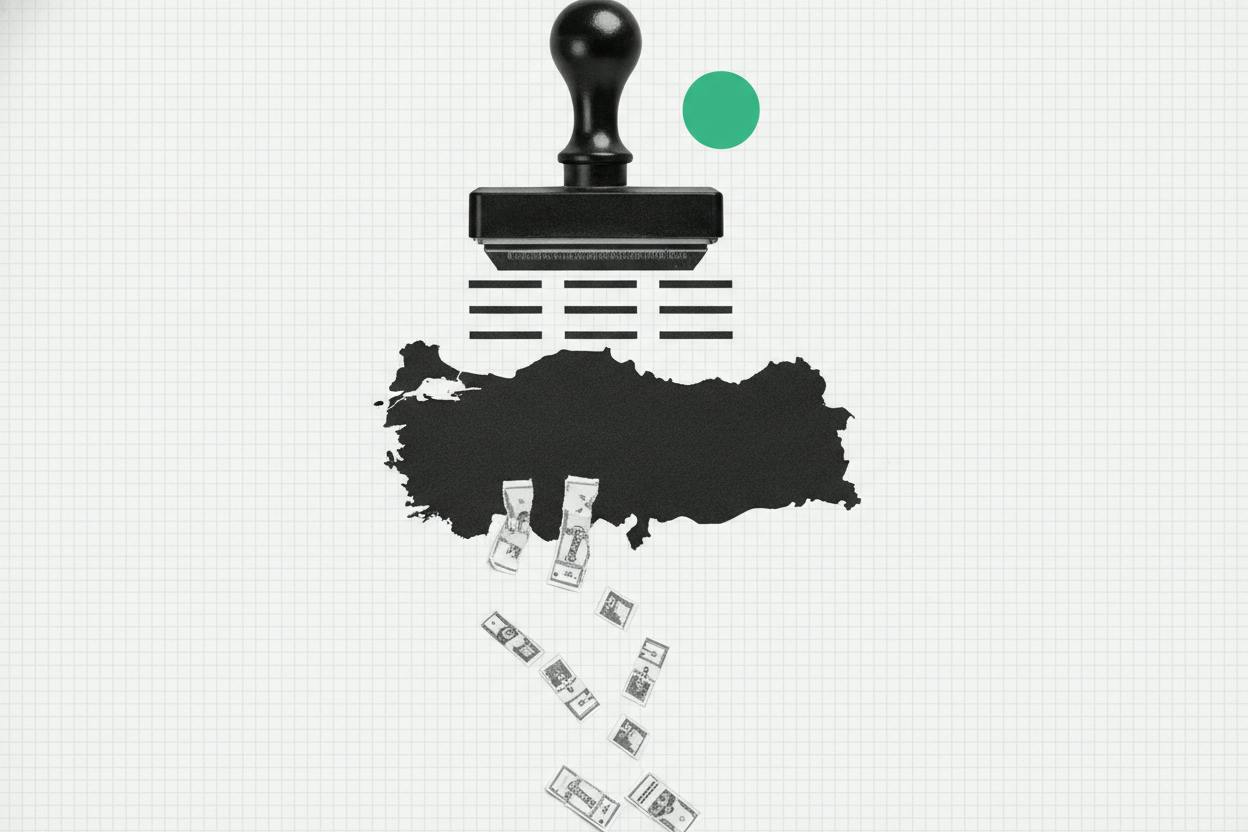
Turkey has set an ambitious timetable to satisfy index provider MSCI's requirements for easier foreign investment, aiming to complete the work by the end of December. That's years ahead of MSCI's official June 2027 deadline, and it comes as the lira continues to weaken, trading near 50.78 per US dollar.
Finance Minister Mehmet Simsek said Ankara plans to finish the necessary changes to rules, custody, and oversight by year-end. The move signals that Turkish authorities want faster progress on making the market more accessible to large global funds, rather than waiting for the full official timeline.
What MSCI's 'market access' means
MSCI is one of the world's biggest index providers, and many international fund managers track its benchmarks. When a market is classified as accessible, it means that large institutions can trade, settle, and hold assets there with reasonable ease. If a market doesn't meet those standards, many funds are effectively barred from investing, because their internal compliance rules and index mandates set hard limits.
Turkey has long been on the periphery of emerging-market investing, with foreign investors often demanding a higher risk premium due to concerns about governance, regulation, and currency stability. An MSCI upgrade could help change that perception, potentially making Turkish stocks and bonds look less like a special case and more like a standard emerging market.
The backdrop: a currency under pressure
The lira's slide is a key test of investor confidence. The currency has been under persistent pressure, and the central bank has reportedly spent heavily to defend it. In fact, Turkey's central bank has burned through billions in reserves as it tries to stem the decline. That kind of intervention can only go on for so long, and investors are watching to see whether policy is actually stabilizing the economy.
Adding to the uncertainty, Reuters reported that an investment-fund crisis and a separate fund scandal have dented confidence and underscored the need for stronger regulators. In response, the government has appointed Yusuf Kenan Bagir to chair the Banking Regulation and Supervision Agency (BDDK), the country's banking watchdog. The move is widely seen as an attempt to show tighter supervision, but markets will judge it by follow-through, not job titles.
What investors are waiting for
Beyond the MSCI timeline, investors are also looking at two key reports: the central bank's financial stability report and Turkey's economic confidence index. These will provide clues on whether the policy mix is working and whether the currency pressure is easing.
For now, the near-term swing factor is whether foreign investors come back consistently to Turkey's most liquid assets – the lira and the BIST 100 stock index. Brief equity inflows that fade quickly won't be enough to shift the narrative. What matters is sustained interest, which depends on credible policy and oversight.
What it means for investors
Clearing MSCI's access hurdles is more than optics. If Turkey makes durable changes, it could reduce the extra 'access and governance' risk premium that investors currently demand. That could help local stocks and bonds look more attractive to global funds.
But easier access doesn't automatically stop currency weakness. The lira's slide is driven by broader economic factors, including inflation, fiscal policy, and external vulnerabilities. An MSCI upgrade might bring in more foreign money, but it won't solve those underlying issues overnight.
For everyday investors, the takeaway is that Turkey remains a high-risk, high-uncertainty market. The government's promises are a positive signal, but the proof will be in the details – and in whether the lira stabilizes. As always, diversification and a long-term perspective are key when considering exposure to emerging markets like Turkey.