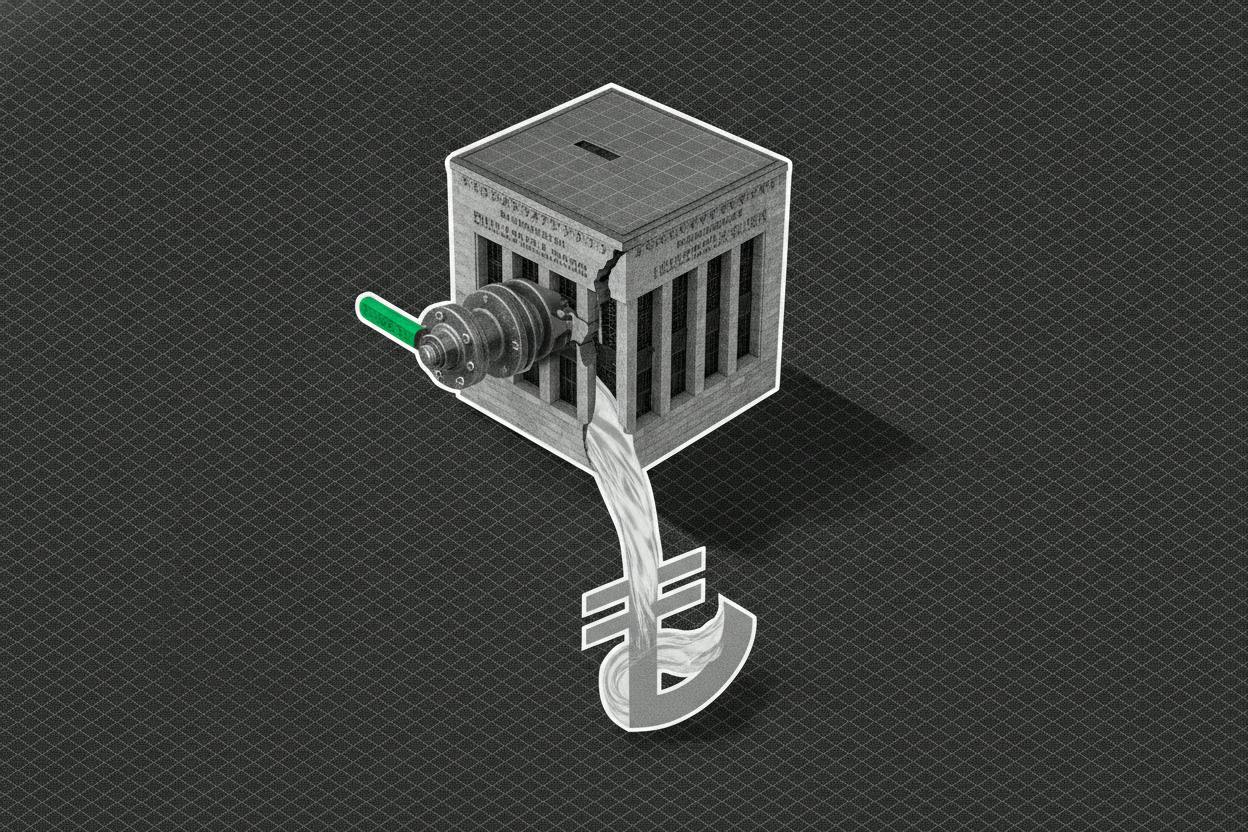
Turkey's central bank is back in the spotlight on Thursday, when Governor Fatih Karahan presents the quarterly inflation report at 7:30 GMT. Traders are closely watching the lira and the BIST 100, the country's main stock index, for any reaction to the bank's latest assessment of price pressures.
The report comes at a delicate moment for the Turkish economy, which has been battling persistently high inflation for years. Investors are listening for two things: how serious the Central Bank of the Republic of Turkey (CBRT) is about bringing inflation down, and whether its day-to-day market operations support that stance.
What the last forecast update told us
At its previous quarterly update, the CBRT raised its end-2026 inflation forecast to 28% from 26%, while keeping an interim target at 24%. That gap between the interim target and the longer-term forecast is something markets often read as the difference between what policymakers hope to achieve and what they actually think is achievable.
In plain terms, a central bank's inflation forecast is its best guess at where prices are headed, and it matters because it shapes expectations. If households and businesses expect high inflation to continue, they tend to demand higher wages and raise prices, which can make inflation self-fulfilling. That's why the credibility of the central bank's forecasts is so important.
Turkey's situation is complicated by the fact that the lira has been under persistent pressure. A weaker currency makes imports more expensive, which feeds directly into inflation. So the central bank's ability to stabilise the lira is closely tied to its ability to control prices.
Why the market plumbing matters
Beyond the headline forecast, investors are also paying attention to the central bank's day-to-day operations in the financial system. This is sometimes called the market's "plumbing" — the tools the bank uses to manage liquidity and influence short-term interest rates.
If the central bank says it is committed to fighting inflation but its daily actions suggest otherwise, markets will take notice. For example, if the bank is providing cheap funding to banks or intervening in the currency market in ways that contradict its stated policy, investors may doubt its resolve.
This is a common theme in emerging markets, where central banks often face pressure to support growth or keep borrowing costs low, even when inflation is running hot. The credibility of the central bank is a key factor in how investors price Turkish assets.
What it means for investors
For everyday investors, the main takeaway is that Thursday's report could move the lira and Turkish stocks. If the central bank signals a more hawkish stance — meaning it is willing to keep interest rates high or raise them further to fight inflation — the lira could strengthen and the BIST 100 could react positively. On the other hand, if the bank sounds less committed, the currency could weaken and stocks could fall.
It's also worth noting that Turkey is not alone in facing inflation challenges. Globally, inflation has been a major theme, with central banks in the US, Europe, and Japan all grappling with how quickly to tighten policy. In fact, recent data showing hot US inflation has led traders to bet on further Federal Reserve rate hikes, which has strengthened the dollar and put pressure on emerging market currencies like the lira.
For investors with exposure to Turkish assets, the key is to watch the central bank's language and any changes to its forecasts. A significant upward revision to the inflation outlook could be seen as a sign that the bank is being more realistic, but it could also spook markets if it suggests inflation is proving harder to control than expected.
As always, it's important to remember that emerging market investments carry higher risk. Currency swings can be sharp, and political and economic uncertainty can amplify market moves. For most investors, a diversified portfolio that includes a mix of asset classes and regions is a prudent approach.
The central bank's report is scheduled for 7:30 GMT, and markets will be watching closely. Whether the lira and the BIST 100 rally or retreat will depend on how convincing Governor Karahan's message is.