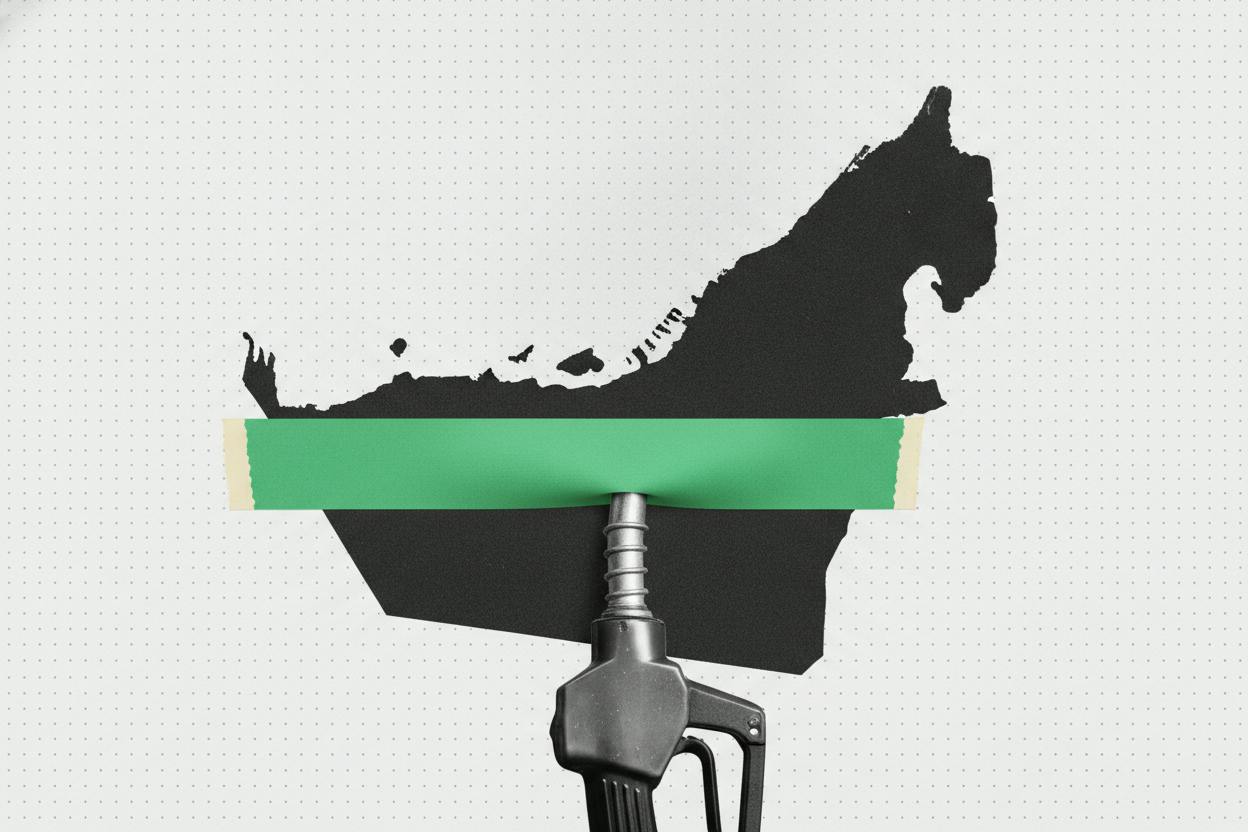
The United Arab Emirates' non-oil economy continued to expand in October, but the cost pressures that have been building for months are now showing up more clearly in the prices businesses charge their customers. According to data firm S&P Global, the country's Purchasing Managers' Index (PMI) for the non-oil private sector eased to 54.8 in October from 55.3 in September. Any reading above 50 signals growth, so the headline still points to a healthy pace of expansion—just a slightly slower one than the month before.
The bigger story, however, is inflation. S&P Global said selling prices increased at the fastest pace since the survey began in August 2009, while input costs—the expenses companies pay for materials, energy, and logistics—jumped to their highest level since June 2022. The main drivers were higher raw material prices, along with more expensive fuel, energy, and freight.
Demand holds up, but costs bite
Despite the cooling headline, the underlying demand picture looked firm. New orders grew at a faster clip, and export orders rose at the quickest pace in two years. Businesses pointed to strength in construction, retail, tourism, and manufacturing, even as some noted challenges from regional conflict, tougher competition, and softer discretionary spending.
When input costs rise sharply, companies typically have two options: pass the higher costs on to customers, or absorb them by cutting internal expenses. The survey suggests firms are doing a bit of both. The record pace of selling price increases shows that many are choosing to pass costs along. At the same time, employment dipped slightly for the third time in five months, a sign that some businesses are trimming payrolls or holding off on new hires to protect margins.
Backlogs of work and output were still rising, so activity doesn't look fragile. But if cost pressures stay hot and customers become more price-sensitive, growth can start to feel tighter even while the PMI remains in expansion territory.
What this means for your money
For everyday investors and consumers, the key takeaway is that a PMI in the mid-50s mostly means businesses are still getting busier—not that prices are easing. The inflation signal in this survey is what stands out. When companies raise prices at the fastest pace in over a decade, that cost pressure often shows up quickly in the prices of everyday services and goods, from restaurant meals to retail items.
If companies find they can't keep pushing prices higher—especially with some already noting weaker discretionary spending—they may lean more on hiring freezes or small headcount cuts. That's consistent with the recent dips in employment and could weigh on household incomes over time.
For investors, this is a reminder that even in a growing economy, inflation can squeeze corporate profits. Companies that can pass on costs without losing customers tend to fare better, while those with less pricing power may see margins shrink. The UAE's non-oil sector is a key driver of the country's economic diversification, so its health matters for anyone with exposure to regional equities or real estate.
Globally, similar cost pressures are showing up in other economies. For instance, Australia's factory slump deepened as input costs hit a one-year high, and its services sector shrank again as costs climbed. Closer to home, LATAM cut its profit outlook because fuel costs outpaced fare hikes, and Keurig Dr Pepper beat estimates partly by offsetting rising costs with premium drinks. These examples illustrate the delicate balance companies face between maintaining margins and keeping customers.
What to watch next
Investors and analysts will be watching whether the PMI's price components continue to accelerate in the coming months. If input costs keep rising, firms may have to raise prices even more, which could eventually dampen demand. On the other hand, if global energy and freight costs ease, the pressure could subside.
Another key indicator is employment. The recent dips in hiring suggest that some businesses are already feeling the squeeze. If that trend continues, it could signal that the expansion is losing momentum, even if the PMI stays above 50.
For now, the UAE's non-oil economy remains in growth mode, but the cost environment is making it harder for businesses to navigate. As always, the PMI is a snapshot, not a forecast—but this snapshot shows a picture of an economy that is still moving forward, just with a heavier load on its back.