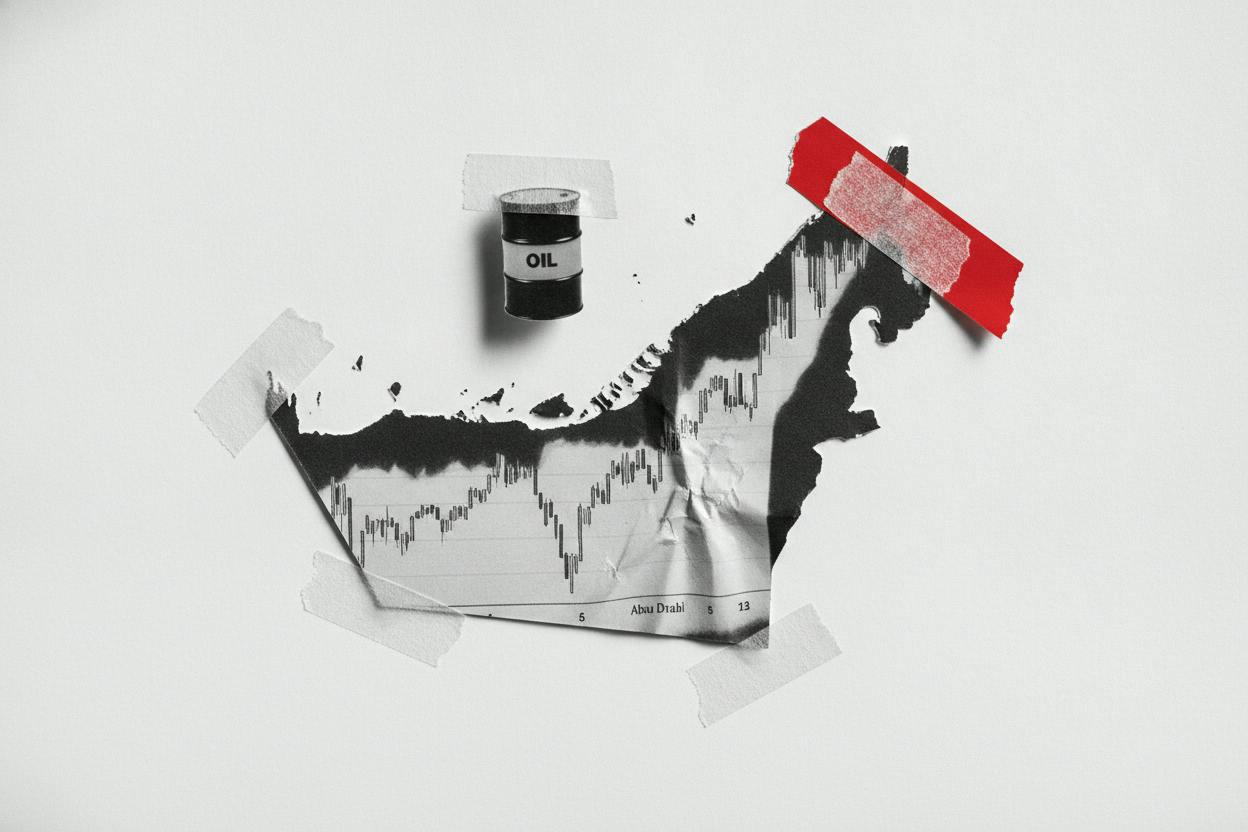
Stock markets in the United Arab Emirates slipped on Thursday, with investors juggling heightened Middle East tensions, oil prices hovering near $92 a barrel, and fresh signals from the US Federal Reserve about the path of interest rates.
Abu Dhabi’s FTSE ADX General Index finished essentially flat, while Dubai’s DFM General Index fell 0.22%. The modest moves suggest that global headlines, rather than local company news, were driving the mood.
Geopolitical risk and oil in focus
Geopolitical concerns stayed front and center after The New York Times reported that US President Donald Trump is considering broader military strikes on Iran following a recent exchange of attacks. Such tensions can unsettle investors because they raise the risk of supply disruptions in the oil-rich Gulf region.
Oil, a key support for Gulf economies but also a source of volatility, was little changed around $92. That kept energy-linked optimism in check without offering much of a lift. For the UAE, higher oil prices generally mean stronger government revenues and a healthier economy, but they can also fuel inflation and make global markets nervous.
The regional picture was mixed, with Gulf stocks dipping as similar forces played out across the region.
Fed minutes and the rate outlook
At the same time, investors were parsing the minutes from the Fed’s October meeting. Policymakers kept the interest rate on reserve balances in the 3.75%–4% range, and ING, a European bank, said markets are still largely pricing in quarter-point hikes in December, January, and again next summer.
ING added that the next major test for those expectations could be November’s consumer price inflation data, due on December 10th. That means Gulf stocks may stay extra sensitive to each inflation surprise until the rate path looks clearer.
What it means for investors
Because the UAE dirham is pegged to the US dollar, local money-market rates often track the Fed’s moves. When investors expect more US hikes, borrowing costs and required returns tend to rise locally too. That can pressure stock valuations by raising the “discount rate” applied to future profits and by making debt harder to service.
That’s why a single US inflation print can quickly shift sentiment in Abu Dhabi and Dubai, even if nothing changes on the ground. Rate-sensitive areas like banks and property are usually where repricing shows up first, so they’re likely to do most of the heavy lifting when expectations for those quarter-point hikes shift.
For everyday investors, the takeaway is that global factors—especially US monetary policy and geopolitical headlines—can move UAE stocks as much as local earnings or economic data. Keeping an eye on US inflation reports and Fed signals can help you understand why your portfolio might swing even when nothing seems to change locally.
As the December 10th inflation data approaches, expect volatility in the ADX and DFM to remain elevated. Until the Fed’s rate path becomes clearer, every inflation surprise could be a catalyst for repricing in the Gulf’s equity markets.