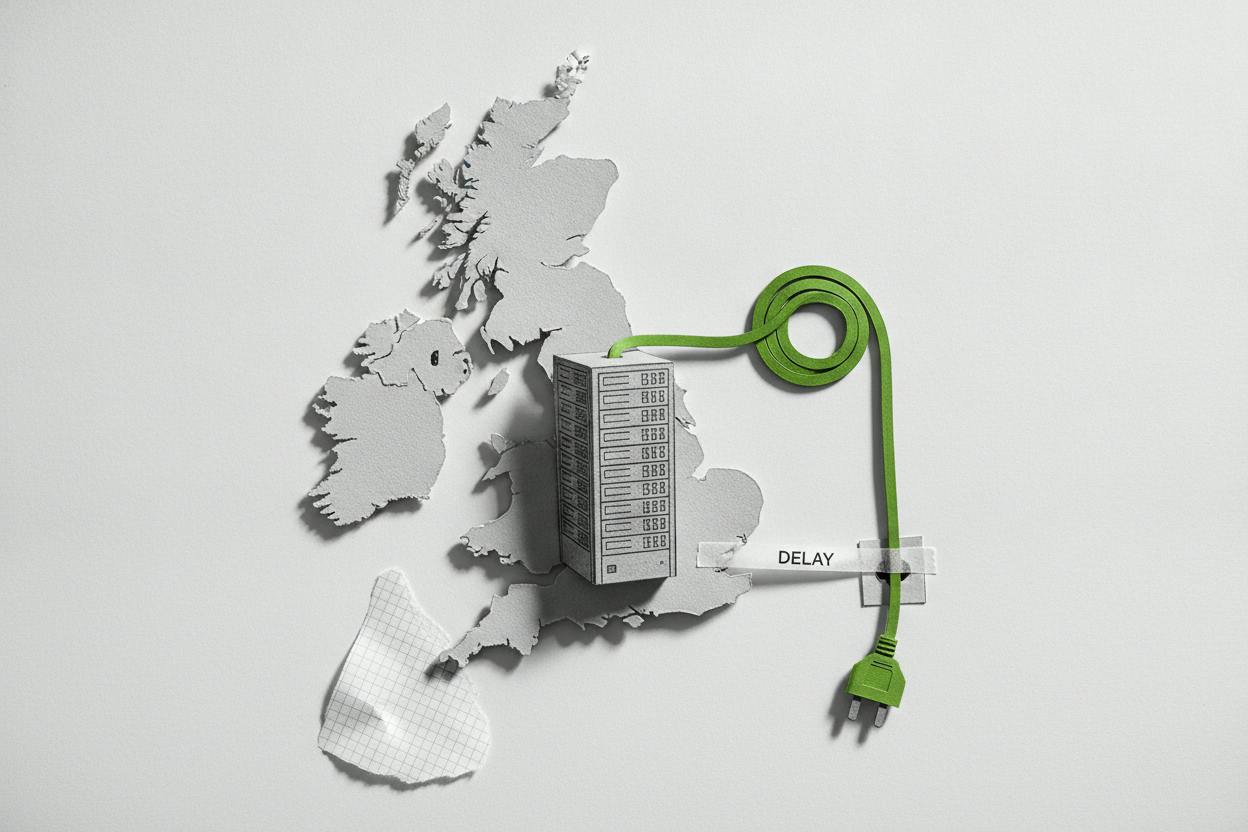
Uber has announced it will cease ride-hailing operations in Nigeria on September 2, ending a presence that began in Lagos in 2014. The company said the decision came after a business review, though it did not provide detailed reasons. Its help center will remain open until September 23 to assist drivers and riders with outstanding issues.
Nigeria is Africa's most populous country and one of the continent's largest economies, making the exit a notable retreat for the US-based ride-hailing giant. Uber's departure leaves its main rival, Bolt, as the dominant player in the Nigerian market, though other local apps also compete for riders.
Why is Uber leaving?
Uber framed the move as a strategic decision following a review of its operations. While the company didn't spell out the factors, industry observers point to a challenging environment for ride-hailing in Nigeria. Competition has intensified, with multiple apps vying for a limited pool of riders. At the same time, rising fuel costs, high inflation, and a volatile naira have increased the cost of operating vehicles and paying drivers, squeezing margins for platforms and drivers alike.
These pressures are not unique to Nigeria. Ride-hailing companies worldwide have struggled to balance affordability for riders with fair earnings for drivers, especially when fuel prices spike. In emerging markets, currency swings can also make revenue less predictable for companies that report earnings in dollars.
Uber's decision to keep its help center open for three weeks after the shutdown suggests it wants to manage the transition smoothly, resolving any pending payments or account issues for drivers and riders.
What does this mean for investors?
For Uber shareholders, the Nigeria exit is a small but symbolic step. Nigeria is not a major revenue contributor for Uber, which generates most of its business in the US, Europe, and other large markets. Still, the move signals that Uber is willing to cut its losses in markets where the economics don't work, a discipline that can support long-term profitability.
Investors may also see this as part of a broader trend in ride-hailing: companies are focusing on markets where they can achieve scale and sustainable margins, rather than spreading themselves thin. Uber has previously exited or scaled back in other countries, such as Southeast Asia and China, where it sold operations to local rivals in exchange for stakes.
The news also highlights the challenges of operating in emerging markets, where currency volatility and inflation can erode returns. For everyday investors, it's a reminder that global companies face different risks in different regions, and that a single market's exit doesn't necessarily signal trouble for the whole business.
Broader ride-hailing landscape
Uber's exit comes as the ride-hailing industry evolves. In the US, companies like Zoox and Waymo are expanding driverless ride-hailing to more cities, which could reshape cost structures and competition. While autonomous vehicles are still in early stages, they represent a potential long-term shift in how ride-hailing operates.
In Nigeria, the departure may leave riders with fewer options, though Bolt and local competitors are likely to absorb demand. Drivers who relied on Uber for income will need to switch platforms or find other work, a real-world consequence of corporate decisions.
For investors watching Uber, the key question is whether the company can continue to grow in its core markets while trimming underperforming ones. The Nigeria exit is a small piece of that puzzle, but it shows management is willing to make tough calls.
What to watch next
Investors will be watching Uber's next earnings report for any commentary on international operations and overall profitability. The company has been working to improve margins, and exits like this could contribute to that effort. Also worth noting is the broader economic backdrop in Nigeria, where inflation and currency issues are affecting many businesses, not just ride-hailing.
For those with a diversified portfolio, this news is unlikely to move the needle. But it's a useful case study in how global companies navigate challenging markets—and a reminder that not every market is worth the fight.